Judge Restores CNN, MSNBC, Politico Credentials: Media Access Precedent & Market Impact
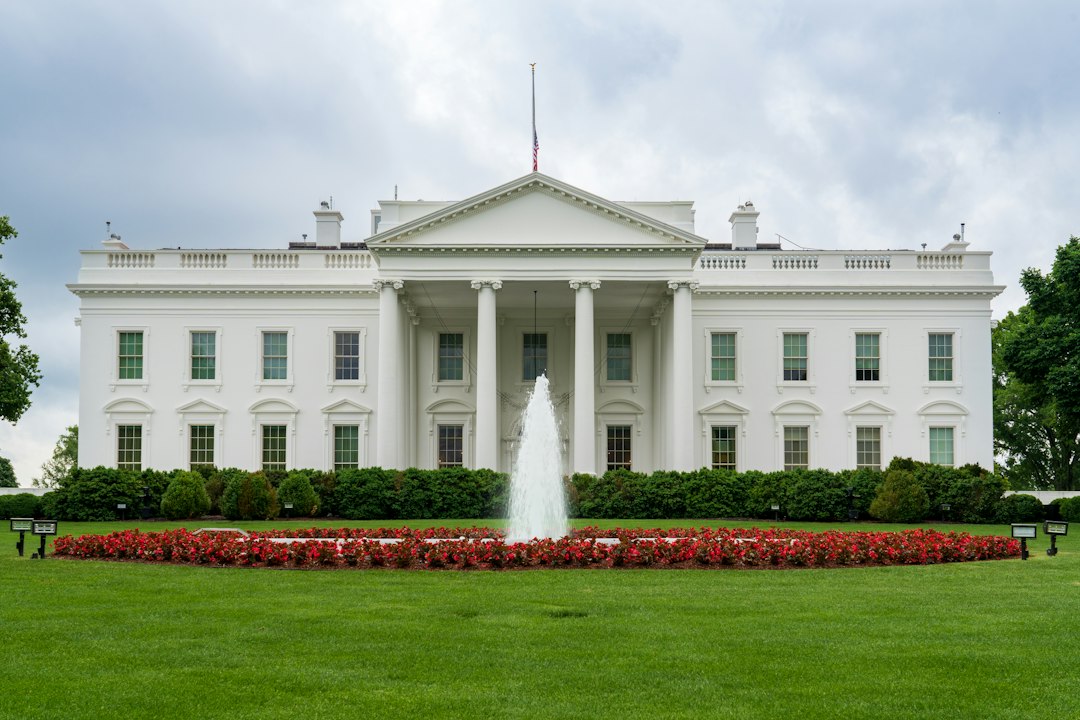
U.S. District Judge Timothy J. Kelly issued a temporary restraining order on September 23, 2026, compelling the White House to immediately reinstate press credentials for personnel from CNN, MSNBC, and Politico. The ruling halts an administration effort to restrict access for three major news organizations, establishing a critical judicial checkpoint on executive power over the White House press corps. For investors, the decision reduces regulatory uncertainty surrounding media business models that depend on unfettered government access for newsgathering and audience retention.
Market Impact & Global Context
The restraining order injects immediate stability into the operating environment for Warner Bros. Discovery (WBD), Comcast (CMCSA), and Axel Springer (POLITICO's parent). White House access functions as a core infrastructure asset for these networks; its removal would degrade breaking news capacity, diminish exclusive interview flow, and erode the "insider" positioning that drives both subscription and advertising revenue. Equity analysts have historically assigned a premium to media entities with guaranteed institutional access, and today's ruling preserves that moat.
Beyond the directly affected tickers, the decision signals judicial willingness to enforce First Amendment protections against administrative retaliation — a precedent that lowers the risk profile for the broader news outlets and the White House legal dynamic. This matters for emerging market investors tracking press freedom indices as a proxy for institutional quality; countries where courts check executive media pressure tend to exhibit stronger foreign direct investment flows and lower sovereign risk premia.
"The market prices in a 'access risk discount' for media assets when executive branches weaponize credentialing. Today's ruling removes that discount for WBD, CMCSA, and Axel Springer, and more broadly signals that U.S. institutional guardrails remain intact — a positive for country risk assessment globally."
— Senior Media & Telecom Analyst, Global Investment Research
The ruling also contrasts with recent episodes where broadcast networks faced de facto exclusion from presidential events. As seen when NBC, CBS and more TV networks didn't film Xi's arrival amid Trump's press ban, restricted access creates immediate content gaps that competitors fill, triggering audience migration that can persist long after credentials are restored. The temporary restraining order prevents that migration cycle from initiating.
From a macro perspective, the case underscores the tension between government communication strategy and the information infrastructure that underpins efficient capital markets. Timely, accurate policy reporting reduces information asymmetry; when access is curtailed, rumor-driven volatility increases. The court's intervention effectively acts as a market-stabilizing mechanism by preserving the primary transmission belt for executive branch signaling.
Key Takeaways
- Access risk discounted: The ruling removes the "credential withdrawal" overhang from WBD, CMCSA, and Axel Springer valuations, supporting current multiples.
- Precedent value: Judicial enforcement of press access raises the cost of future administrative retaliation, lowering long-term regulatory risk for the media sector.
- Information integrity: Preserved White House access maintains the fidelity of policy signal transmission, reducing noise-driven volatility in rates and equity markets.
- Global signal: The decision reinforces U.S. institutional credibility — a factor sovereign wealth funds and EM investors monitor when allocating to dollar-denominated assets.
Frequently Asked Questions
Does this ruling permanently guarantee White House access for CNN, MSNBC, and Politico?
The temporary restraining order restores credentials immediately but expires unless extended or converted to a preliminary injunction. The underlying lawsuit will determine permanent status, though today's ruling indicates the judge finds the outlets likely to succeed on the merits.
How does White House press access affect media company revenues?
Credentialed access enables real-time reporting, exclusive interviews, and "insider" programming that drives both advertising CPMs and subscription retention. Loss of access creates content gaps competitors exploit, leading to measurable audience share erosion within weeks.