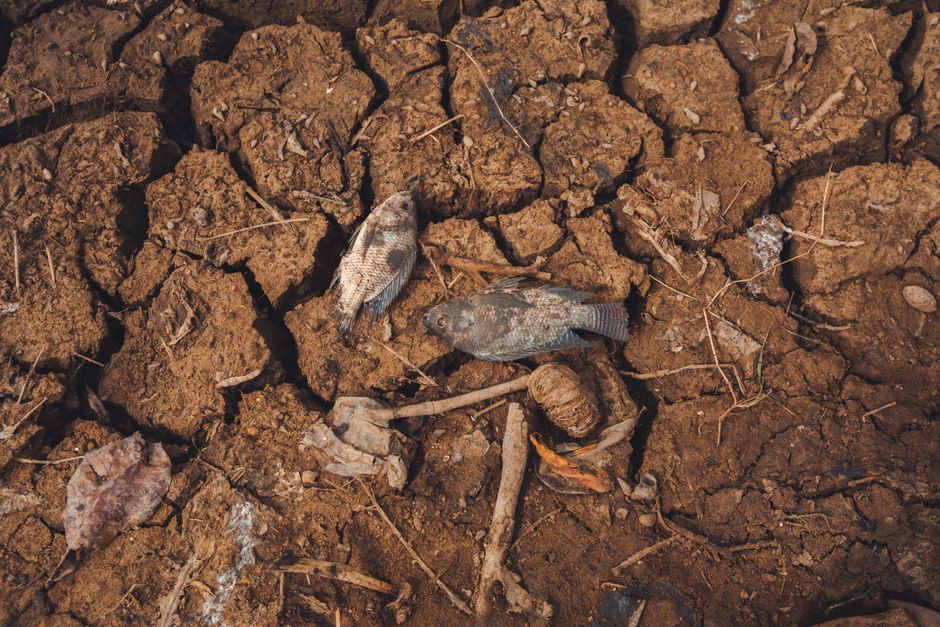
Europe’s Drought Crisis: How Riverbed Disruptions Threaten Global Trade
Europe is facing unprecedented disruptions as extreme drought forces governments to dredge riverbeds, threatening vital shipping routes and economic stability. With key waterways like the Rhine and Danube at critically low levels, industries reliant on these arteries are bracing for severe supply chain bottlenecks. This crisis comes at a time when Europe is already grappling with inflationary pressures and energy shortages, amplifying its economic vulnerabilities.
Market Impact & Global Context
The drought’s impact on Europe’s river systems is more than a regional issue—it’s a global economic threat. The Rhine River, a critical artery for transporting coal, chemicals, and agricultural goods, has seen water levels drop to historic lows, forcing cargo ships to operate at reduced capacity. This disruption is particularly alarming for Germany, Europe’s largest economy, where industries depend heavily on riverine logistics. Analysts warn that prolonged disruptions could exacerbate supply chain woes, driving up costs for energy and raw materials across Europe.
For the U.S. and emerging markets, the ripple effects could be significant. European manufacturers may face delays in exporting goods, potentially tightening global supplies of key commodities like chemicals and machinery. Meanwhile, emerging markets reliant on European imports could see inflationary pressures mount, complicating their recovery from pandemic-induced economic strains. Additionally, the crisis underscores the growing risks of climate change to global trade, a factor increasingly priced into commodity markets.
The energy sector is particularly vulnerable. With coal shipments hampered, utilities may struggle to secure fuel for power generation, further straining Europe’s already fragile energy grid. This could lead to higher electricity prices and increased reliance on alternative energy sources, potentially benefiting renewable energy stocks. However, the broader economic fallout could weigh on European equities, especially in sectors like industrials and consumer goods.
Key Takeaways for Investors
- Supply Chain Risks: Industries reliant on European river transport, such as chemicals and agriculture, face heightened supply chain disruptions.
- Energy Sector Volatility: Coal shortages could drive up electricity prices, impacting utilities and benefiting renewable energy stocks.
- Global Inflationary Pressures: Delays in European exports may tighten global commodity supplies, exacerbating inflationary trends.
- Climate Change Risks: The crisis highlights the growing economic impact of climate change, particularly on trade and infrastructure.
As Europe navigates this drought-induced crisis, investors should monitor developments in key sectors and prepare for potential market volatility. For more insights on how inflation impacts global markets, read our analysis of the July CPI inflation report.