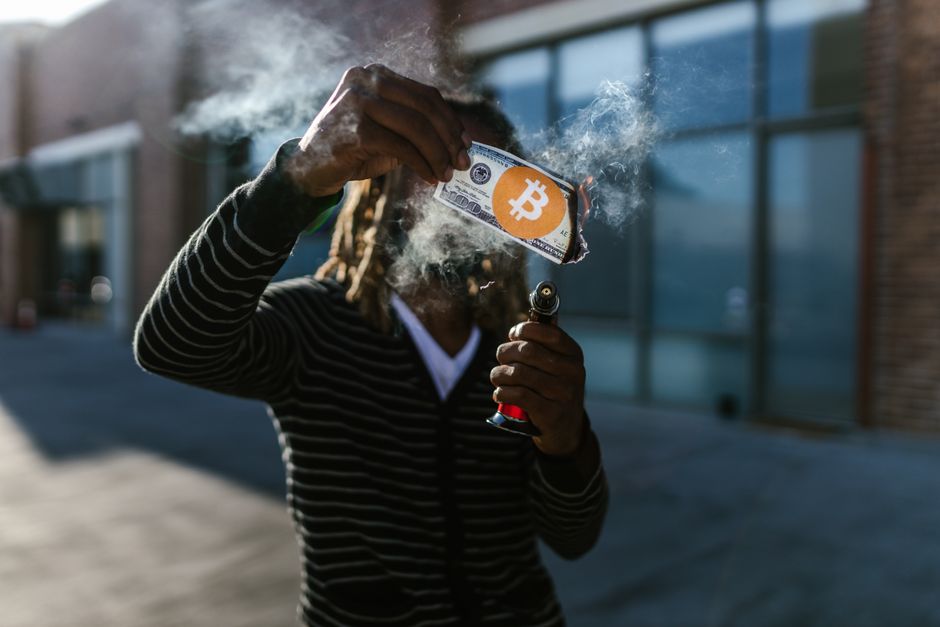
Bitcoin Bulls Rally Behind "Financial Repression" Narrative
Bitcoin enthusiasts are increasingly pointing to "financial repression" as a key driver for the cryptocurrency’s long-term value proposition. As governments worldwide grapple with soaring debt levels and inflationary pressures, investors are turning to Bitcoin as a hedge against traditional financial systems. This narrative is gaining traction amidst growing concerns over central bank policies and their impact on fiat currencies.
Market Impact & Global Context
The "financial repression" argument resonates strongly in both developed and emerging markets. In the US, where inflation remains stubbornly above the Federal Reserve’s 2% target, Bitcoin is increasingly viewed as a digital alternative to gold. Similarly, in Europe, where negative interest rates have persisted for years, investors are seeking assets that can preserve wealth outside the traditional banking system.
Emerging markets, particularly those with unstable currencies, are also seeing heightened Bitcoin adoption. Countries like Argentina and Turkey, where inflation has eroded purchasing power, are witnessing a surge in cryptocurrency transactions. This trend underscores Bitcoin’s role as a global hedge against monetary debasement.
The ripple effect of this narrative extends beyond Bitcoin itself. Related sectors, such as blockchain technology and decentralized finance (DeFi), are also benefiting from increased investor interest. Additionally, commodities like gold and silver may face heightened competition as Bitcoin continues to carve out its niche as a store of value.
Why This Matters Now
The timing of this narrative is crucial. With central banks worldwide maintaining accommodative monetary policies, the risk of financial repression—where savers are penalized through low interest rates and inflation—is more pronounced than ever. Bitcoin’s decentralized nature and capped supply make it an attractive option for those looking to escape the clutches of traditional financial systems.
Key Takeaways
- Bitcoin as a Hedge: Bitcoin is increasingly seen as a hedge against financial repression, particularly in high-inflation environments.
- Global Adoption: Both developed and emerging markets are driving Bitcoin adoption, reinforcing its role as a global asset.
- Sector Impact: The narrative is boosting interest in related sectors like blockchain and DeFi, while challenging traditional safe-haven assets like gold.
- Investor Strategy: Investors should consider Bitcoin’s potential as part of a diversified portfolio to mitigate risks associated with monetary debasement.