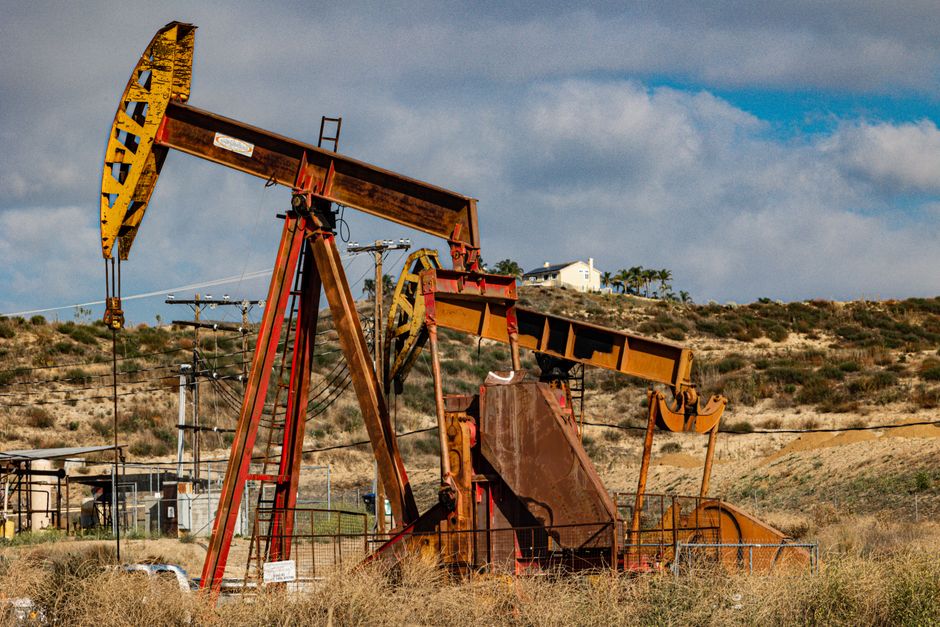
Saudi Pipeline Attacks Spike WTI Oil Prices, Impacting US, Europe
Saudi Arabia’s key oil pipeline was hit by attacks, raising concerns that global oil prices could climb to their highest levels in months. The supply shock arrives as markets already grapple with inflation pressures and a cautious Federal Reserve, making the price move especially significant for traders and investors.
Market Impact & Global Context
The escalation in the Middle East threatens to tighten global oil supply, a scenario that historically pushes WTI and Brent benchmarks higher. Energy‑price spikes of this magnitude tend to revive inflation concerns, especially in import‑dependent economies such as the United States and the eurozone, and can sharpen the cost‑of‑living squeeze for households. At the same time, the potential for sustained price gains may reinforce the Federal Reserve’s stance on keeping rates elevated, as higher energy costs feed into core inflation metrics. Oil Prices Jump on Energy Supply Worries illustrates how similar supply disruptions have previously translated into broader market volatility.
In the United States, higher crude prices could boost earnings for energy producers while simultaneously pressuring consumer discretionary spending and corporate margins in non‑energy sectors. European markets face a double‑edged impact: elevated import bills may worsen the region’s already fragile current‑account balances, while the prospect of tighter monetary policy could weigh on equities. Emerging market economies that rely heavily on oil imports, such as India, Turkey, and Brazil, may see deteriorating trade deficits and currency pressure, amplifying the risk of capital outflows.
According to market analysts at major financial institutions,"The recent attack on Saudi infrastructure highlights the fragility of global oil supply chains, suggesting that any escalation could sustain price gains and keep inflation pressures elevated, prompting central banks to maintain restrictive monetary stances."
The ripple effect is expected to extend beyond energy markets. Higher fuel costs may compress margins for airlines and shipping firms, while manufacturers could see increased input costs, squeezing profit margins across the industrial sector. In emerging economies, the depreciation of local currencies against the dollar could exacerbate import‑price inflation, prompting central banks to consider tighter policy even if domestic demand remains weak. Historically, comparable supply disruptions in the 1970s and 2000s resulted in prolonged inflationary pressures that forced monetary authorities to maintain restrictive stances for several quarters.
Key Takeaways
- Supply disruption from the Saudi pipeline attack could push oil prices to multi‑month highs, reviving inflation concerns.
- U.S. energy stocks may benefit, but broader consumer spending and Fed policy could be pressured.
- European economies face higher import costs and potential currency stress, affecting equity valuations.
- Emerging markets dependent on oil imports may experience trade‑deficit strain and capital outflows.
Frequently Asked Questions
Will oil prices stay high after the Saudi pipeline attacks?
Given the supply constraint created by the attacks, prices are likely to remain elevated in the short term, though the duration will depend on how quickly alternative supplies are mobilized and whether the geopolitical risk escalates further.
How will the Saudi pipeline attack affect U.S. inflation and Fed policy?
Higher oil prices feed into core inflation measures, giving the Federal Reserve additional justification to keep interest rates higher for longer, which may curb economic growth but help anchor inflation expectations.