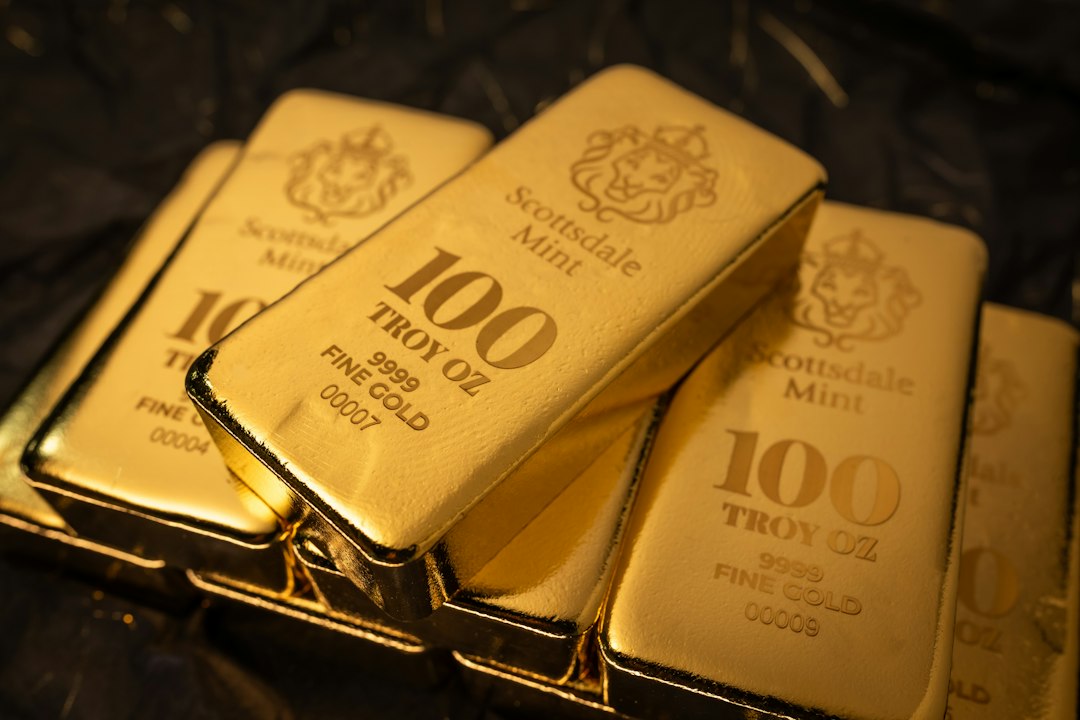
Gold Slides to Seven-Week Low as Rate Hike Bets Reshape Haven Demand
Gold prices retreated to their lowest level since late October as renewed expectations for Federal Reserve interest rate hikes strengthened the dollar and lifted Treasury yields. The precious metal's decline reflects a recalibration of haven demand as traders price in a higher-for-longer rate trajectory that increases the opportunity cost of holding non-yielding bullion.
Market Impact & Global Context
The selloff in gold underscores the dominant influence of real yields on precious metals pricing. As the Fed signals willingness to maintain restrictive policy longer than previously anticipated, the dollar index has climbed to multi-month highs, creating a dual headwind for dollar-denominated commodities. Historical data shows that every 10-basis-point rise in 10-year real yields has typically corresponded to a $15-20 per ounce decline in gold over the past decade.
Emerging market central banks, which have been consistent buyers since 2022, may see the current dip as a strategic entry point. However, retail investment demand in China and India — the world's largest consumer markets — remains sensitive to price momentum, potentially delaying a demand-led recovery. Meanwhile, gold mining equities have underperformed the metal year-to-date, reflecting margin compression from sticky energy costs and jurisdictional risk premiums.
"The market is repricing the terminal rate higher, and that mechanically pressures gold through both the dollar channel and the real yield channel. Until we see a clear pivot in Fed rhetoric or a break in inflation data, the path of least resistance for bullion remains lower."
— Senior Commodity Strategist at a major global bank
Transmission effects are visible across correlated assets. Silver, with its higher industrial beta, has declined more sharply, while platinum group metals face additional headwinds from automotive demand uncertainty. Gold-backed ETF holdings have contracted for three consecutive weeks, signaling institutional repositioning rather than transient speculative pressure.
Key Takeaways
- Gold's seven-week low reflects Fed rate hike expectations strengthening the dollar and lifting real yields, increasing bullion's opportunity cost.
- Emerging market central bank buying may provide a floor, but retail demand in Asia remains momentum-sensitive and could delay recovery.
- Gold miners face dual pressure from metal price decline and persistent cost inflation, widening the equity-to-metal performance gap.
- ETF outflow acceleration suggests institutional reallocation, not just speculative washout, warranting monitoring of fund flow data.
Frequently Asked Questions
Why does gold fall when interest rate hike expectations rise?
Higher rate expectations boost the dollar and increase real yields on government bonds. Since gold pays no yield, it becomes less attractive relative to interest-bearing assets, while a stronger dollar makes it more expensive for non-dollar buyers.
Could central bank buying reverse gold's decline?
Official sector purchases have provided structural support since 2022, but they typically act as a price floor rather than a catalyst for rallies. A sustained recovery would likely require a shift in Fed policy expectations or renewed safe-haven demand from geopolitical escalation.