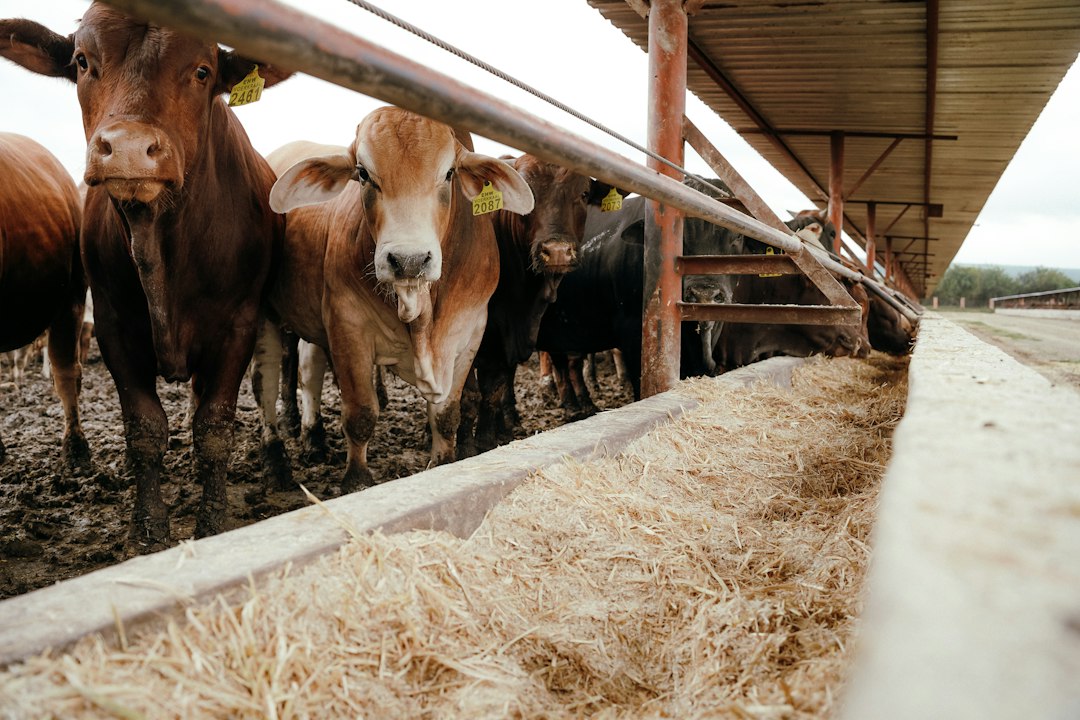
ICE Raids Disrupt Cattle Operations: Beef Supply Chain Risks Mount in Plains States
Cattle industry groups across Texas, Oklahoma, and Kansas warned that intensified immigration enforcement under the Trump administration is impairing feedlot and packing plant operations. Two Republican senators from the region echoed those concerns, signaling rare intra-party friction over labor policy's direct impact on agricultural output.
Market Impact & Global Context
The Plains states account for roughly one-third of U.S. fed-cattle marketings, making labor disruptions there a systemic risk to national beef supply. Feedlots and slaughter facilities rely heavily on a workforce that industry estimates suggest is predominantly foreign-born; enforcement actions that reduce labor availability directly constrain throughput capacity. When processing slows, live-cattle futures typically weaken while boxed-beef cutout values rise — a spread widening that squeezes packer margins and signals tightening wholesale availability.
Historically, immigration crackdowns in 2017–2019 correlated with seasonal labor shortfalls that lifted wholesale beef prices 8–12% above trend during peak grilling months. The current episode coincides with herd-rebuilding dynamics that have already pushed cattle inventories to multi-decade lows, amplifying price sensitivity to any supply-side friction. Export demand from Mexico, Canada, and Asia remains robust, meaning domestic supply constraints could redirect more product overseas, further tightening U.S. retail availability.
"The cattle feeding complex operates on razor-thin margins and just-in-time labor flows. When enforcement creates workforce volatility, it doesn't just raise costs — it breaks the scheduling discipline that keeps 1,200-head-per-hour plants running," said a senior agricultural commodities strategist at a major futures brokerage. "We're watching for feedlot placement data to signal whether producers are already shortening feeding periods to avoid labor-dependent finish weights."
Beyond immediate price effects, the political dimension introduces regulatory uncertainty. Republican senators breaking with the administration on enforcement intensity suggests potential legislative pushback — possibly through agricultural labor reform or guest-worker program expansion. Such policy shifts would represent a structural change in how the protein sector manages labor risk, with implications for long-term investment in automation and facility siting.
Key Takeaways
- Supply concentration risk: Texas, Oklahoma, and Kansas feedlots represent a critical choke point; labor disruptions there propagate nationally within weeks.
- Spread dynamics: Watch the live-cattle-to-cutout spread — widening indicates processing bottlenecks that support higher wholesale and retail beef prices.
- Policy inflection: Intra-party dissent raises odds of agricultural labor legislation, which could restructure workforce access for the entire protein complex.
- Herd cycle amplifier: Historically low cattle inventories mean any supply interruption has outsized price impact compared to previous enforcement cycles.
Frequently Asked Questions
How quickly do immigration enforcement actions affect beef prices at retail?
Processing slowdowns typically appear in wholesale cutout data within 2–3 weeks, with retail pass-through occurring 4–6 weeks later depending on retailer inventory positions and seasonal demand.
Could this trigger broader food inflation concerns for the Federal Reserve?
Beef carries significant weight in the CPI food-at-home index; sustained wholesale price increases above 10% year-over-year would contribute measurably to core inflation metrics the Fed monitors.