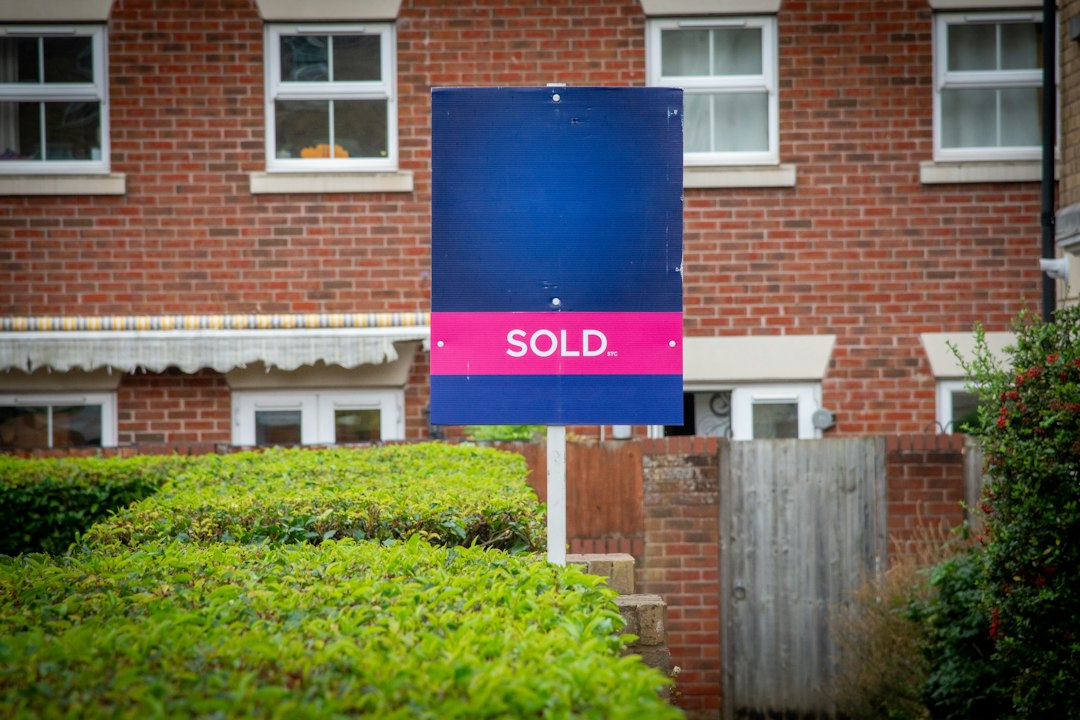
US 30-Year Mortgage at 7.03%: Affordability Crisis Worsens as Fed Holds Rates
The average rate on a 30-year fixed mortgage in the United States surged to 7.03 percent, marking a fresh multi-year high that intensifies the housing affordability crisis. This jump reflects persistent inflationary pressures and the Federal Reserve's commitment to restrictive monetary policy, pushing borrowing costs to levels last seen during the 2008 financial crisis peak.
Market Impact & Global Context
The breach of the 7 percent threshold represents a critical psychological and financial barrier for the US housing market. At current rates, monthly payments on a median-priced home have risen nearly 60 percent since 2021, effectively locking out first-time buyers and freezing existing homeowners in place due to the "lock-in effect" of low-rate mortgages originated during the pandemic era. This dynamic suppresses inventory turnover, keeping housing supply artificially constrained even as demand weakens.
Transmission channels extend beyond residential real estate. Homebuilder equities, tracked by the XHB ETF, face margin compression as cancellation rates rise and traffic declines. Building material suppliers and mortgage REITs confront narrowing net interest spreads. The ripple effect reaches consumer spending: household formation delays reduce demand for furnishings, appliances, and related services, subtracting an estimated 0.2-0.3 percentage points from quarterly GDP growth according to historical elasticity models.
Globally, sustained high US yields reinforce dollar strength, tightening financial conditions across emerging markets. European banks with US mortgage-backed securities exposure face mark-to-market losses, while Asian capital flows redirect toward higher-yielding Treasuries. The correlation between 10-year Treasury yields and 30-year mortgage rates — typically 170-180 basis points — suggests further upside risk if the Fed maintains its "higher for longer" stance through 2026.
"The 7 percent mortgage rate is not merely a cyclical peak; it's a structural reset that redefines housing as a luxury asset class for the foreseeable future. Until the Fed signals a definitive pivot, the lock-in effect will dominate supply dynamics, and affordability metrics will continue to deteriorate regardless of nominal price adjustments."
According to market analysts at the Housing Policy Institute
Historical precedent offers limited comfort. The 2018 rate spike to 5 percent triggered a sharp sales contraction but reversed quickly as the Fed pivoted. Today's environment differs fundamentally: inflation remains above target, fiscal deficits exceed 6 percent of GDP, and the neutral rate (r*) has likely shifted higher. These factors suggest the current regime may persist longer than previous cycles, requiring a recalibration of long-term housing market expectations.
Key Takeaways
- Affordability collapse: 7.03% rates push median monthly payments beyond reach for 75% of US households, entrenching a bifurcated market of cash buyers and locked-in owners.
- Supply freeze: The lock-in effect reduces existing home listings by an estimated 40% year-over-year, preventing price discovery and sustaining elevated valuations despite demand destruction.
- Sector contagion: Homebuilders, mortgage REITs, and consumer discretionary face earnings headwinds; watch for guidance revisions in Q3 2026 reports.
- Global spillover: Higher US mortgage rates anchor long-term Treasury yields, exporting tightening to dollar-denominated debt markets and emerging market sovereign spreads.
Frequently Asked Questions
Will mortgage rates decline if the Fed cuts rates in 2027?
Mortgage rates track 10-year Treasury yields, not the federal funds rate directly. Even with Fed cuts, long-term yields may remain elevated if inflation expectations stay unanchored or term premiums rise due to fiscal concerns. A meaningful decline requires both policy easing and improved inflation dynamics.
How does the 7% threshold impact housing inventory?
Approximately 85% of outstanding mortgages carry rates below 5%. Homeowners with sub-5% loans have minimal incentive to sell and finance at 7%, creating a structural inventory shortage that supports prices even as transaction volumes plummet to 1990s-level lows.