Trump Press Pool Ban: Media Sector Impact and Investor Reaction
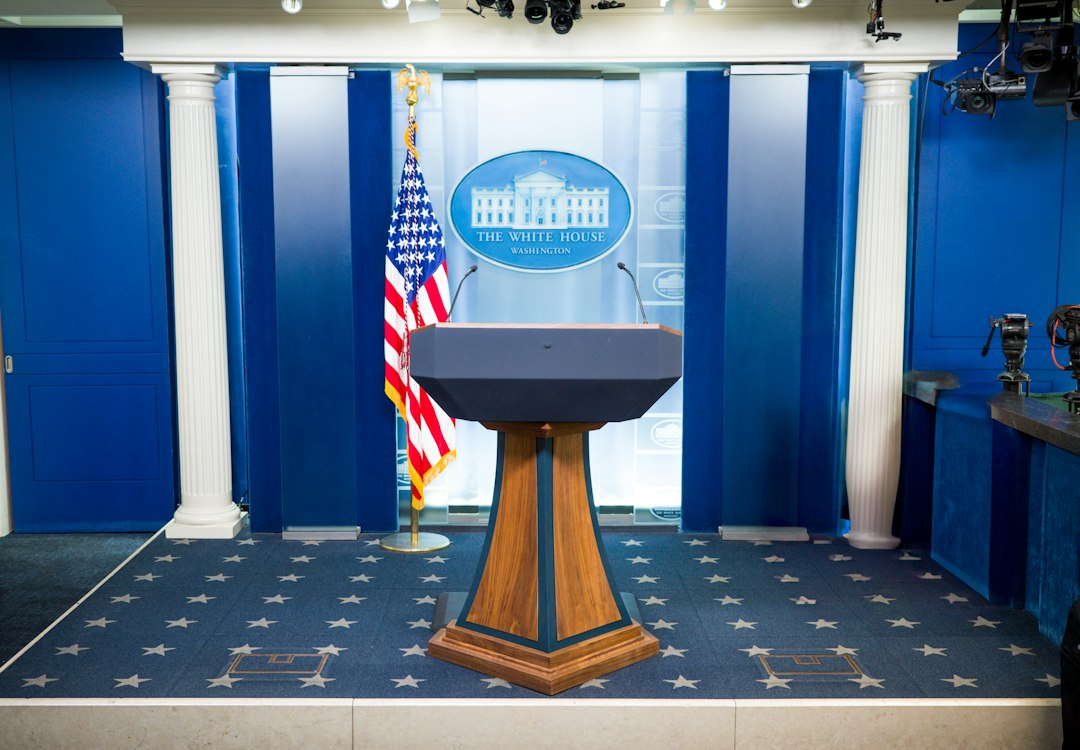
On September 21, 2026, President Trump escalated his confrontation with the White House press corps by barring journalists from CNN, MS NOW and Politico from accessing the press pool, according to the New York Times. The move deepens concerns about press freedom and could trigger immediate repercussions for media companies reliant on White House coverage for news gathering and advertising sales. Investors are watching the development for potential spillover effects on media sector valuations and broader market sentiment regarding regulatory risk in the United States.
Market Impact & Global Context
The denial of White House press pool access limits outlets’ ability to break exclusive stories from the administration, a factor that has historically driven viewership spikes and premium advertising rates. As a result, media firms may see short-term pressure on ad revenue forecasts, which could weigh on stock performance across the sector. What Is the White House Press Pool, and Why Did It Suspend TV Coverage of Trump?
Beyond the media industry, the episode raises broader questions about regulatory and political risk in the United States. Investors sensitive to governance cues may reassess exposure to U.S. equities, particularly in sectors that rely heavily on government relations, potentially prompting a tilt toward defensive assets or markets with more stable media environments. CNN, MS NOW and Politico to Sue Trump Administration Over White House Access
According to media analysts at a leading research firm, the restriction on press access could pressure advertising revenues and weigh on media stock valuations in the near term.
Historically, administrations that have curtailed press freedom have coincided with periods of relative underperformance for media stocks compared with the broader S&P 500, suggesting that the current development may reinforce existing sector rotation trends.
Key Takeaways
- Media stocks may face near‑term downward pressure as advertising revenue expectations adjust to reduced White House access.
- Investors should monitor regulatory developments and consider diversifying away from U.S.‑media‑heavy portfolios if press‑freedom concerns escalate.
- The episode highlights how geopolitical and regulatory risk can drive sector rotation, especially for global funds with significant U.S. equity exposure.
- Legal challenges from the affected outlets could prolong uncertainty and affect long‑term valuations, warranting continued scrutiny.
Frequently Asked Questions
What does the press pool ban mean for media companies' short-term stock performance?
The ban could limit access to exclusive White House news, potentially reducing viewership and advertising revenue in the near term. Analysts note that such restrictions often precede short‑term declines in media stock prices as investors reassess earnings outlook. However, the impact may be mitigated if outlets diversify their reporting sources and audience engagement strategies.
How might the escalation affect broader investor sentiment toward U.S. equities?
Escalating tensions between the administration and the press can heighten perceptions of regulatory and political risk, prompting some investors to tilt toward defensive sectors or geographic diversification. While the direct effect on broad market indices may be modest, sector‑specific flows—particularly away from media and communications—could become noticeable in the weeks following the event.