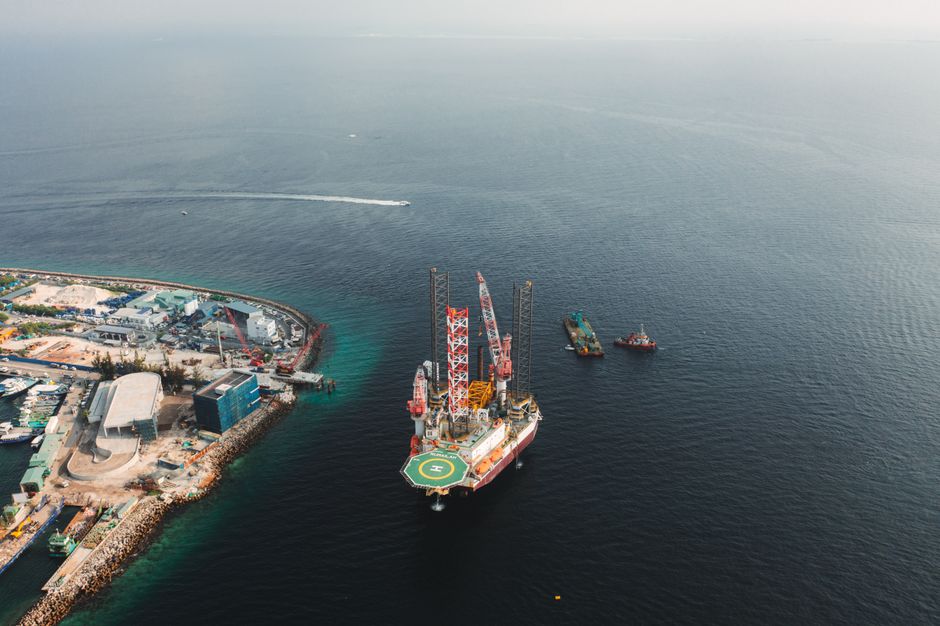
Oil Breaches $100/BBL as Middle East Turmoil Sparks Inflation Fears
Crude oil prices climbed past the psychologically significant $100 per barrel mark amid escalating conflict in the Middle East, according to the latest market feed. The move raises immediate concerns about inflationary pressure and potential shifts in monetary policy outlook across major economies.
Market Impact & Global Context
The breach of $100/bbl recalls historical episodes where geopolitical supply shocks transmitted rapidly to broader asset markets. During the 1973 oil embargo and the 1990 Gulf War, similar price spikes preceded sharp declines in equity indices and a flight to safety in government bonds, as higher energy costs squeezed corporate margins and consumer spending. Today, the first sectors to feel the impact are airlines and transportation, whose fuel expenses constitute a major operating cost; petrochemical producers also face margin compression as feedstock prices rise, while energy‑heavy equity indices (e.g., the S&P 500 Energy sector) often experience short‑term volatility before benefiting from higher revenues.
Macro‑correlation analysis shows that sustained oil prices above $100 tend to lift breakeven inflation rates, prompting investors to reassess real‑yield expectations. In past episodes, a 10% rise in oil has historically correlated with a 15‑20 basis point increase in 10‑year Treasury yields, as markets price in tighter monetary policy to counter inflation. The U.S. dollar frequently strengthens in such environments, given its status as a reserve currency and the inverse relationship between commodity prices and the greenback; however, the current backdrop of divergent central bank policies may mute this effect.
For short‑term traders, the price action creates opportunistic volatility in crude futures and related ETFs, with tight stop‑losses advised due to the potential for rapid reversals if diplomatic de‑escalation emerges. Long‑term investors should evaluate the inflation‑hedging characteristics of energy exposure within a diversified portfolio, weighing the risk of prolonged stagflation against the possibility of a supply‑driven price premium that could persist if Middle‑East supply disruptions endure.
“The move past $100/bbl is less about the absolute level and more about what it signals for inflation expectations and policy timing; markets are now pricing in a higher probability of a delayed rate cut or even a further hike if the shock proves persistent.” — Analyst, Global Commodities Desk
Key Takeaways
- Oil above $100/bbl historically precedes equity market pressure and bond yield increases as inflation fears rise.
- Airlines, transportation, and petrochemical sectors are the first to feel margin pressure from higher fuel and feedstock costs.
- The U.S. dollar may strengthen, but divergent monetary policies could alter the typical commodity‑currency inverse relationship.
- Short‑term traders can exploit volatility in crude derivatives, while long‑term investors should assess energy’s role as an inflation hedge versus stagflation risk.
Frequently Asked Questions
Will oil prices remain above $100 if Middle‑East tensions ease?
If geopolitical risk subsides, prices could retreat toward recent ranges, but any lasting supply disruption or OPEC+ production cuts would keep a floor near current levels. Market watchers will monitor inventory data and compliance with any output agreements for directional clues.
How should equity investors adjust sector exposure in response to a sustained $100+ oil environment?
Investors may consider reducing weight in energy‑intensive industries such as airlines and logistics while potentially increasing exposure to energy producers that benefit from higher commodity prices. Diversifying into inflation‑linked assets or sectors with pricing power can also help mitigate margin‑compression risks.