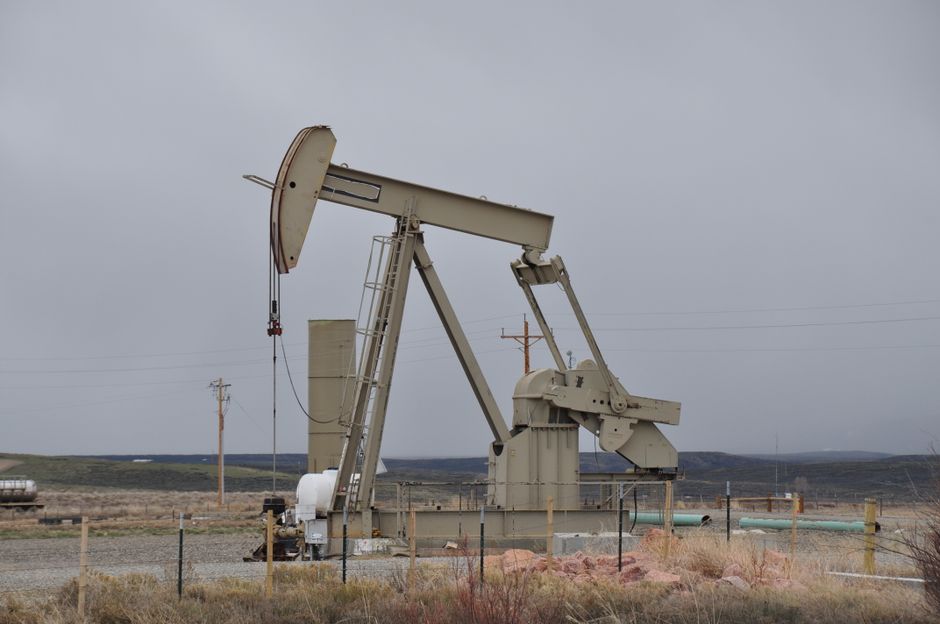
Oil Prices Jump as Supply Worries Raise Market Risk
Oil prices jumped as renewed concerns about energy supply pushed the commodity higher. The move matters because a sustained rise can feed through transport costs, corporate margins, inflation expectations and investor positioning across US equities, European markets and emerging economies.
The feed identifies the direction of the move and its catalyst but not the affected region, supply source or duration. Traders should therefore treat the jump as a risk signal rather than proof that physical shortages have already emerged. That distinction is crucial: speculative positioning can amplify an initial supply scare even before actual volumes tighten.
Market Impact & Global Context
For US markets, higher oil prices operate as both an inflation signal and a sector rotation force. Airlines, chemicals, transport and other fuel-intensive businesses face potential margin pressure, while energy producers may benefit from stronger revenue conditions. Consumer discretionary companies can also feel the squeeze if households redirect spending away from non-energy purchases.
The broader US implication depends on persistence. A one-off jump may have limited effect on earnings forecasts, but repeated increases can complicate inflation and Federal Reserve policy by raising expectations for transport and production costs. That could affect bond-market pricing of rates even before central banks change their guidance.
European equities and emerging markets are likely to transmit the shock through import bills and currency risk. Import-dependent economies generally face a tougher trade-off when oil rises: energy costs support headline inflation, while weaker currencies can make each barrel more expensive in local terms. Exporters and net energy producers are not uniformly exposed; the net effect depends on their balance-sheet position and ability to pass costs along.
“An oil-price jump is not only a commodity move; it reallocates purchasing power from consumers and fuel users toward energy suppliers. The market impact turns on whether investors see the supply concern as temporary or as the start of a lasting constraint.”
Related assets may react before corporate results do. Equity volatility can rise as analysts revise fuel-cost assumptions, while currency markets may price differentials in inflation and monetary policy. The signal is most useful when confirmed by changes in inventories, shipping activity and actual supply availability—details absent from the feed.
For traders, the immediate question is not simply whether oil will remain higher, but whether the move is broadening. A rise concentrated in one crude benchmark may reflect local positioning, whereas simultaneous strength across related energy products would provide stronger evidence of a genuine supply problem. Until that confirmation arrives, exposure should be sized for volatility rather than assumed scarcity.
Key Takeaways
- Watch persistence: distinguish a short-lived risk premium from a sustained supply-driven advance.
- Check sector dispersion: energy producers and fuel-intensive companies can face opposite earnings effects.
- Track inflation signals: repeated oil gains can alter expectations for monetary policy and bond yields.
- Monitor currencies: import-dependent emerging markets may face added pressure if the local currency weakens.
Frequently Asked Questions
Why are oil prices jumping on energy supply worries?
Oil prices can rise when traders anticipate tighter availability or disruption to energy flows. The impact becomes more significant if the concern persists and spreads across multiple crude or refined-product benchmarks.
Will higher oil prices pressure US stocks and inflation?
Potentially. Repeated oil increases can raise operating costs and inflation expectations, although the effect on equities depends on how long prices remain elevated and whether companies can pass costs to customers.