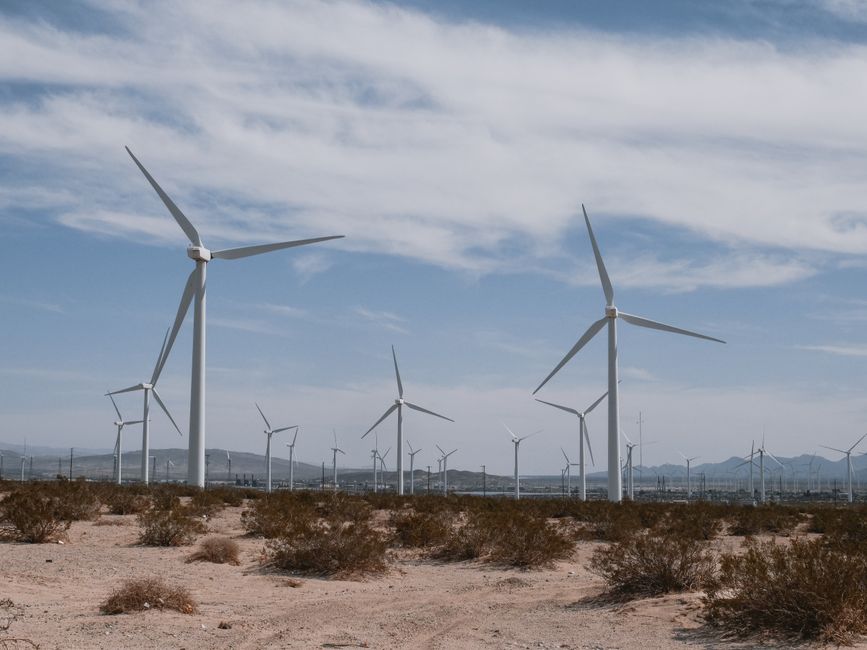
The global energy system is undergoing its most significant structural shift in a century, and the transition toward renewable sources is no longer a distant policy ambition but a functioning market reality. Solar and wind now account for a growing share of new power generation capacity each year, electric vehicles are displacing oil demand at the margin, and grid operators are redesigning their infrastructure around intermittency rather than steady baseload output. For investors, this transition is not a single theme that can be owned with one trade. It is a multi-year capital cycle touching utilities, equipment manufacturers, commodity markets, and software companies, each moving on its own timeline and its own set of incentives. The opportunity lies in understanding where the capital is flowing, which parts of the value chain are becoming profitable, and which companies are positioned to capture value as prices for renewable equipment fall and policy support compounds.
Why the Energy Transition Is Now an Investment Theme
What turns an environmental ambition into an investable theme is economics, and the economics of renewables have improved decisively over the past decade. The levelized cost of solar and onshore wind has fallen by roughly 80 percent or more since 2010, making them the cheapest source of new electricity in most regions without subsidies. Battery storage costs have followed a similar trajectory, which changes the nature of the problem from generating clean power to storing it reliably. Policy has accelerated the shift through tax incentives, carbon pricing, and mandated targets, but the underlying cost curve is what makes the transition durable. When clean energy competes on price rather than on regulation, it attracts private capital at scale, and that capital creates the earnings growth investors seek. The transition has therefore shifted from a sentiment-driven theme to a fundamentals-driven sector with measurable capacity additions, falling input costs, and expanding margins.
The Scale of Capital Investment Ahead
Renewables are capital-intensive by nature, which is precisely why they create such a broad investment opportunity set. Every gigawatt of new wind or solar capacity requires years of upfront spending on manufacturing, project development, and grid interconnection before a single unit of electricity is sold. Energy agencies and investment banks project that trillions of dollars will need to flow into clean energy over the coming decades to meet net-zero pathways, and even a fraction of that estimate represents a durable pipeline of demand for equipment makers, engineering firms, and project financiers. The capital intensity also favors large balance sheets, which is why utilities, infrastructure funds, and investment-grade borrowers have become central players in the transition. For equity investors, the implication is that growth will show up in revenues and order books first, and in dividends and free cash flow only later, as projects move from construction to operation.
Where the Returns Are Emerging
The most visible returns are in power generation, where developers sign long-term contracts that lock in stable, predictable cash flows, but the less obvious value sits further along the value chain. Grid equipment and transmission infrastructure are bottlenecks that must be built regardless of which specific technology wins, giving suppliers of transformers, cables, and grid software resilient demand. Energy storage is emerging as a distinct asset class because batteries capture the price spread between cheap midday solar and expensive evening demand, a revenue model that only becomes more lucrative as renewable penetration rises. Meanwhile, the electrification of transport and industry pulls demand into the electricity system itself, expanding the addressable market for every participant in the power sector. Investors evaluating this theme should ask not only which technology grows fastest, but which link in the chain has pricing power, high barriers to entry, and a balance sheet that can fund expansion without excessive dilution.
The Risks Investors Should Not Overlook
For all its momentum, the energy transition carries risks that are easy to underestimate during periods of enthusiasm. Interest rates are the first and most important: because renewable projects require heavy upfront borrowing, rising financing costs directly compress project returns, and the sector is unusually sensitive to the direction of monetary policy. Commodity and equipment costs can spike, as lithium, copper, and polysilicon prices demonstrated, squeezing margins that had been priced for decline. Policy risk cuts both ways, since subsidies that accelerate deployment can also be withdrawn, and grid bottlenecks, permitting delays, and public opposition routinely push project timelines beyond expectation. There is also concentration risk: renewable valuations have at times reflected optimism about growth rather than the slower, more contract-based economics that eventually prevail. A balanced assessment of the theme must weigh the durability of cost decline against the cyclical pressures of rates, materials, and regulation.
How to Build a Portfolio Around Renewables
A disciplined approach to the transition treats it as a diversified value chain rather than a single bet on solar panels. Utilities with regulated rate bases and contracted wind or solar assets offer defensive income with direct exposure to the build-out. Equipment manufacturers provide higher-beta leverage to capacity additions but carry cyclical risk and price competition. Storage, grid infrastructure, and electrification suppliers offer exposure to the structural bottlenecks that persist regardless of technology share. Investors should also consider how the transition interacts with the rest of their portfolio, from commodity exposure to real estate and even the currency effects of energy importing versus exporting nations. Dollar-cost averaging into a broad basket, rather than timing individual headlines, has historically been the most reliable way to capture a decade-long capital cycle. The transition will not move in a straight line, but for investors who understand its economics, it offers one of the few structural growth stories large enough to matter at portfolio scale.