Russian Fuel Shortage Drives Chinese EV Market Share to Record Highs
Russian consumers are accelerating purchases of Chinese electric vehicles after Ukrainian drone strikes on domestic refineries created acute gasoline and diesel shortages, propelling brands like BYD and Geely to capture over 55% of Russia's new car market in the first quarter of 2024.
Chinese EV Market Impact: Russian Sanctions Evasion and Energy Security Shift
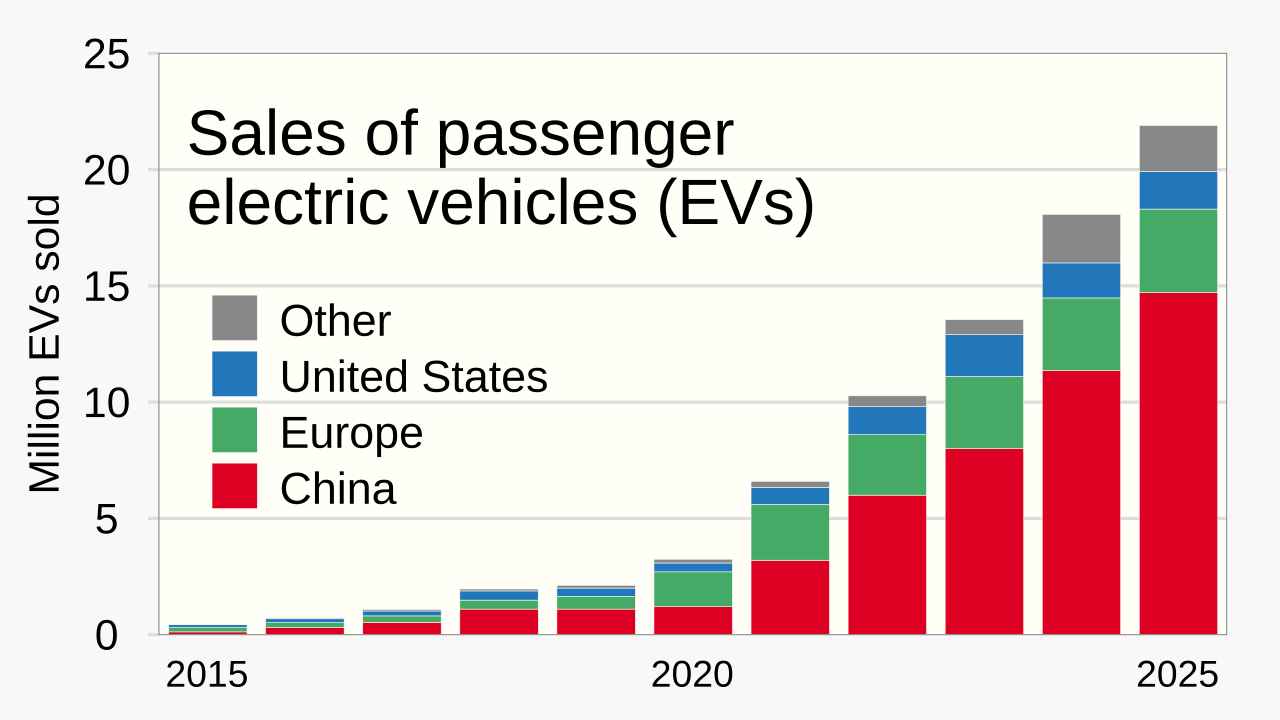
The surge in Chinese EV registrations reflects a structural realignment of Russia's automotive sector rather than a temporary demand spike. Western OEMs exited en masse after 2022 sanctions, leaving a vacuum that Chinese manufacturers filled through parallel import channels and localized assembly partnerships. Ukrainian refinery strikes have now added energy security to the purchasing calculus: with gasoline prices up 20% year-over-year and rationing in southern regions, EVs bypass fuel supply chains entirely.
Charging infrastructure remains sparse outside Moscow and St. Petersburg, but home charging adoption is accelerating among urban households with dedicated parking. This mirrors Norway's early EV transition where convenience overcame infrastructure gaps. Chinese brands hold a cost advantage — the BYD Song Plus retails 30% below comparable European models — while offering dealer networks and warranty support that gray-market imports cannot match.
"Russia is effectively conducting a forced industrial policy experiment: sanctions removed Western competition, and now energy disruption is mandating electric adoption. Chinese automakers are the primary beneficiaries of both vectors simultaneously."
Geopolitically, this deepens Russia's technological dependence on China across a strategic sector. Unlike consumer electronics, automotive involves long-cycle capital investment, standards-setting, and service ecosystems that create lock-in. European suppliers — particularly in powertrain components and advanced electronics — face permanent displacement from a market that once absorbed €12 billion annually in parts exports.
Key Takeaways for Auto Sector Investors
- Monitor Chinese EV export volumes to Russia as a real-time proxy for sanctions effectiveness and Russian industrial substitution capacity.
- Watch Russian federal charging infrastructure tenders for signals on whether state support will cement EV adoption beyond the current fuel crisis.
- Expect continued market share gains for BYD, Geely, and Chery as Western brands remain absent and Korean/Japanese rivals hesitate on compliance risk.
- Hedge exposure to European Tier 1 suppliers with high historical Russian revenue dependence; re-entry barriers rise with each quarter of Chinese entrenchment.
Frequently Asked Questions
How Have Ukrainian Refinery Strikes Affected Russian Domestic Fuel Supply?
Ukrainian drone attacks have disabled an estimated 15–20% of Russian refining capacity since early 2024, creating sporadic gasoline and diesel shortages that have driven up pump prices and wait times at stations across southern and central Russia.
Can Chinese EV Dominance in Russia Be Reversed If Fuel Supply Normalizes?
Reversal is unlikely given the structural advantages Chinese brands now hold — established dealer networks, localized service operations, and price competitiveness — which mirror the irreversible market capture Japanese automakers achieved in Russia during the 2000s.