Russia Deploys AI War Songs: Propaganda Tech Escalation Risks
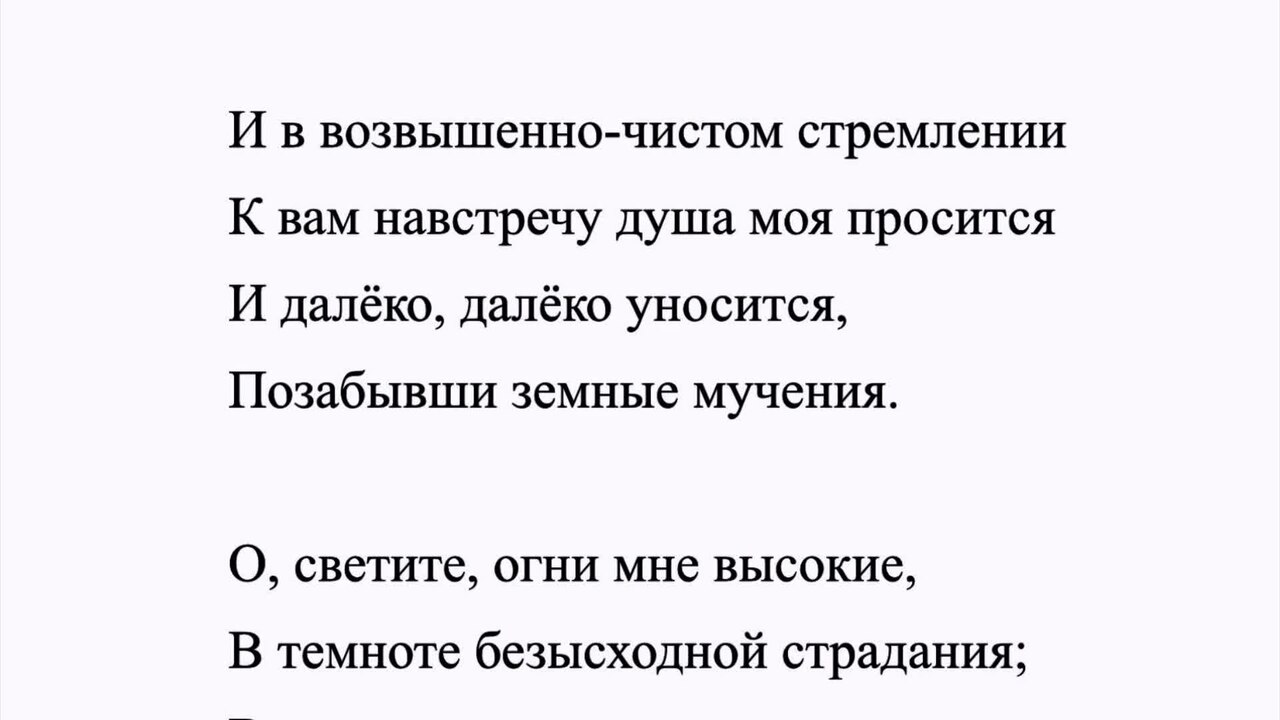
Russia has begun deploying artificial intelligence to generate war songs as part of its propaganda apparatus, marking a novel escalation in state-sponsored information warfare. The development signals how generative AI tools are being weaponized beyond deepfakes into cultural production, lowering the marginal cost of mass psychological operations while raising questions about technology export controls and platform accountability.
Market Impact & Global Context
The use of AI-generated music for wartime propaganda represents a convergence of defense spending, creative industries, and dual-use technology regulation. Western sanctions regimes have targeted Russian access to advanced semiconductors and cloud compute — critical inputs for training large generative models — yet open-source models and API access via third-party jurisdictions create enforcement gaps. This dynamic mirrors the sanctions evasion patterns observed in recent actions against Russian firms facilitating sanctions circumvention, where intermediary entities exploit jurisdictional arbitrage.
For investors, the signal is twofold. First, demand for inference compute and content moderation tooling may rise as platforms face pressure to detect and label state-sponsored synthetic media. Second, the normalization of AI in psychological operations could accelerate military procurement of generative capabilities, expanding the addressable market for defense-focused AI contractors. European defense equities have already repriced on heightened threat perceptions; this development adds a software-defined dimension to that thesis.
"The marginal cost of producing culturally resonant propaganda has effectively collapsed. When a state actor can generate thousands of localized, emotionally targeted songs without human composers, the throughput of influence operations scales exponentially. This forces a rethink of both platform liability frameworks and export control lists for model weights."
— Senior Analyst, Geopolitical Technology Practice
Historically, propaganda production required significant human capital — composers, lyricists, studios. The shift to synthetic generation reduces personnel risk and accelerates iteration cycles, allowing rapid A/B testing of narratives across demographic segments. This mirrors the algorithmic optimization logic of commercial ad tech, now repurposed for strategic messaging. The implications extend to cross-border financial flows that enable compute procurement, as well as the regulatory perimeter for synthetic content watermarking standards currently debated in the EU and US.
Key Takeaways
- AI-generated war songs demonstrate a scalable, low-cost evolution in state-sponsored information warfare that bypasses traditional creative bottlenecks.
- Sanctions on compute and model access face enforcement challenges from open-source proliferation and jurisdictional arbitrage, echoing patterns in dual-use goods evasion.
- Platforms and regulators will likely accelerate synthetic media detection mandates, creating demand for verification infrastructure and watermarking standards.
- Defense procurement budgets may increasingly allocate toward generative AI capabilities for psychological operations, expanding the defense-tech addressable market.
Frequently Asked Questions
How does AI-generated propaganda differ from traditional state media?
AI-generated propaganda enables mass personalization and rapid iteration at near-zero marginal cost, allowing states to test and deploy thousands of narrative variants across languages and demographics without human creative teams. Traditional state media relies on centralized production with higher fixed costs and slower turnaround.
Can current export controls prevent Russia from accessing generative AI models?
Export controls on advanced chips and cloud compute raise costs but face limitations from open-source model weights, API access via non-sanctioned intermediaries, and distillation techniques that compress capability into smaller deployable models. Enforcement gaps resemble those seen in dual-use goods sanctions evasion networks.