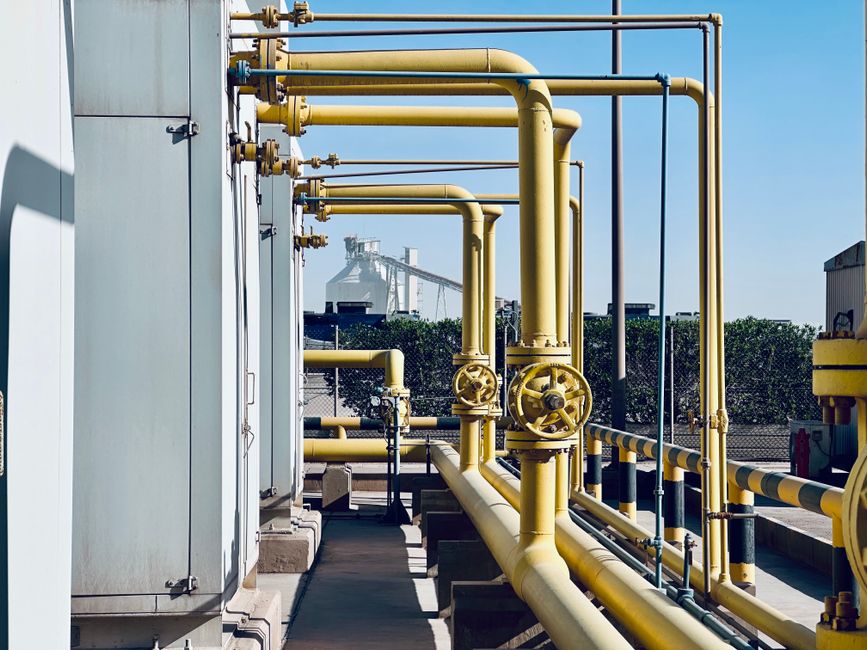
Saudi Pipeline Attacks Threaten Oil Exports, Rattle Energy Markets
Attacks on Saudi Arabian oil pipeline infrastructure have intensified threats to global crude export capacity, sending ripples through energy markets already strained by geopolitical instability in the Middle East. The incidents expose critical vulnerabilities in one of the world's most important energy supply networks, raising urgent questions about the resilience of crude oil flows and the potential for sustained price volatility across multiple asset classes.
Market Impact & Global Context
The targeting of Saudi pipeline infrastructure carries profound implications for global energy security. Saudi Arabia remains one of the largest crude oil exporters worldwide, and any disruption to its pipeline network directly constrains supply available to Asian, European, and North American refineries. For US markets, the immediate consequence is upward pressure on crude futures, which cascades into higher gasoline and diesel prices at the pump — a dynamic already visible as oil keeps rising and diesel hits $6 a gallon as Middle East tensions mount. European equities in the energy sector may see mixed reactions: producers benefit from higher crude prices, while energy-intensive industries face margin compression.
Emerging market economies, particularly those in South and Southeast Asia that depend heavily on Saudi crude imports, face a more acute challenge. Higher import bills widen trade deficits and strain already fragile currencies. The ripple effect extends to shipping and logistics sectors, where rerouting supply chains adds cost and delay. Historically, disruptions to Middle East oil infrastructure have triggered sustained commodity bull runs, and the current environment — with OPEC+ already managing production discipline — amplifies the potential for a coordinated supply squeeze.
"According to market analysts at energy research firms, attacks on critical pipeline infrastructure in one of the world's largest exporting regions represent a structural risk premium that markets must now price in permanently. The convergence of geopolitical fragility and already-tight supply fundamentals creates a scenario where even marginal disruptions can produce outsized price reactions across crude, refined products, and related equities."
The broader macro correlation is equally significant. Rising energy costs feed directly into inflation expectations, complicating central bank calculus worldwide. For the Federal Reserve and European Central Bank, a sustained oil price shock could delay or dilute planned rate adjustments, keeping financial conditions tighter for longer than markets currently anticipate.
Key Takeaways
- Supply vulnerability is systemic: Attacks on Saudi pipeline infrastructure highlight that critical energy transit routes remain exposed to geopolitical disruption, warranting a permanent risk premium in crude pricing models.
- Energy sector divergence: Upstream oil and gas producers stand to benefit from elevated crude prices, while downstream refiners and energy-intensive industries face margin pressure from rising input costs.
- Emerging market exposure: Import-dependent economies in Asia face widening trade deficits and currency pressure as crude prices rise, potentially triggering capital outflows and destabilizing local equities.
- Central bank implications: A sustained oil price shock complicates monetary policy trajectories globally, potentially extending periods of tighter financial conditions and higher borrowing costs.
Frequently Asked Questions
How will Saudi pipeline attacks affect global oil prices?
Attacks on Saudi pipeline infrastructure constrain export capacity from one of the world's largest crude producers, reducing global supply and driving prices higher. When combined with existing geopolitical tensions and OPEC+ production management, even marginal supply disruptions can trigger disproportionate price increases across crude and refined product markets.
Which sectors are most vulnerable to rising oil prices?
Energy-intensive sectors — including airlines, shipping, manufacturing, and consumer transportation — face the greatest margin pressure from sustained crude price increases. Conversely, upstream oil and gas producers and energy infrastructure companies typically see revenue gains as commodity prices rise.