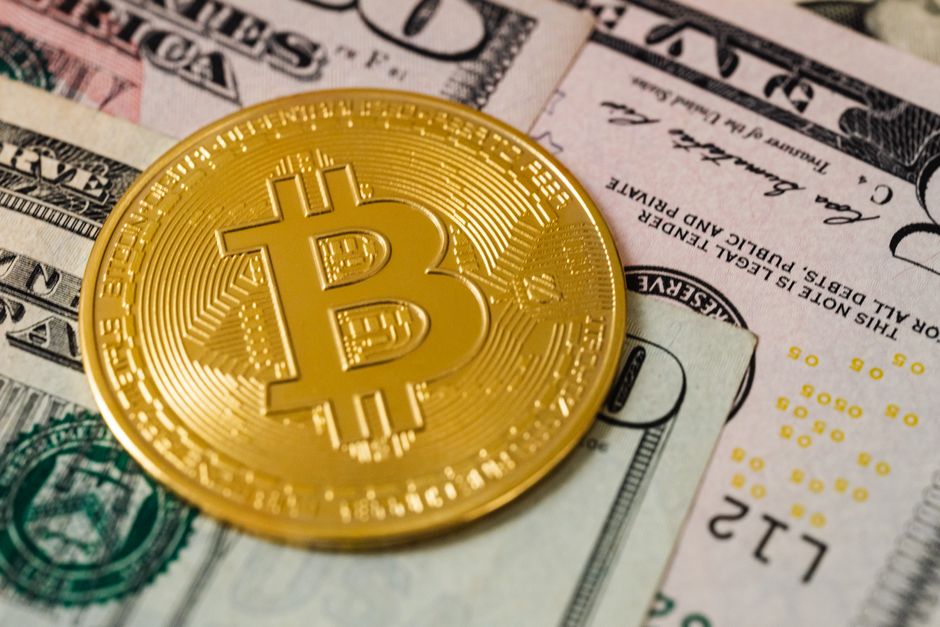
Stablecoins have quietly become one of the most important tools in digital finance, acting as the connective tissue between the traditional world of dollars and the emerging ecosystem of cryptocurrencies. They are digital assets designed to hold a steady value — most commonly one U.S. dollar per token — which sets them apart from volatile assets like bitcoin and ether. For investors, that stability makes them useful as a medium of exchange, a store of value during market turbulence, and a way to move money across borders at near-instant speed. Understanding how they work, how they keep their peg, and where the risks sit is essential for anyone considering them as part of a modern portfolio.
What Are Stablecoins and Why Do They Matter?
A stablecoin is a cryptocurrency whose price is tied to a stable reference asset, most often the U.S. dollar. Each token is typically backed by reserves held off-chain, such as cash, Treasury bills, and other liquid instruments, or by algorithmically managed collateral on-chain. The appeal is straightforward: they offer the speed and programmability of blockchain technology without the roller-coaster price swings associated with other digital assets. This makes them a preferred vehicle for trading, remittances, and as a safe harbor when cryptocurrency markets turn volatile, effectively bridging the gap between fiat currencies and the broader digital-asset economy.
How Stablecoins Maintain Their Peg
Stablecoins keep their one-to-one value through two broad mechanisms. Fiat-collateralized stablecoins hold reserves in traditional currency and equivalent instruments, redeeming tokens on demand to keep supply aligned with the backing assets — this is the model used by the largest stablecoins in circulation. Crypto-collateralized stablecoins instead lock up other digital assets as collateral, sometimes over-collateralizing to absorb price fluctuations, while algorithmic stablecoins use supply adjustments and arbitrage incentives to maintain the peg. Each approach carries different trade-offs between transparency, capital efficiency, and resilience under stress, and the distinction matters when assessing how safely a given token holds its value.
The Role of Stablecoins in Markets and Payments
Beyond their role as a digital dollar, stablecoins power a large share of trading on cryptocurrency exchanges, where they serve as the quoting currency and the settlement layer that lets traders move in and out of positions without leaving the crypto ecosystem. They are also increasingly used for cross-border payments and payroll, offering faster and cheaper settlement than traditional correspondent banking, particularly for unbanked or underbanked populations. For institutional participants, stablecoins provide a compliant on-ramp and off-ramp between fiat and digital assets, enabling treasury operations, yield strategies, and liquidity management with a familiar unit of account.
Risks and Regulatory Scrutiny
The growth of stablecoins has brought heightened attention from regulators around the world, and the risks are real. Reserve adequacy and transparency are the central concern — a stablecoin is only as sound as the assets backing it, and any shortfall or mismatch can break trust in the peg. Operational, custody, and counterparty risks also apply, along with the possibility of runs during periods of market stress. Algorithmic stablecoins have historically proven fragile, with several high-profile failures demonstrating that a peg without robust backing can collapse quickly. Issuers are responding with published attestations and reserve disclosures, and lawmakers in the U.S., Europe, and Asia are moving toward clearer licensing frameworks, but the regulatory landscape remains in flux.
What Stablecoins Mean for Investors
For investors, stablecoins offer practical benefits: efficient portfolio diversification, a low-volatility haven inside the crypto ecosystem, and exposure to the growing digital-payments economy. They are not risk-free, however, and should not be treated as a direct equivalent of a bank deposit. Prudent use means favoring transparent, well-collateralized issuers with audited reserves, understanding the mechanics behind each token, and limiting allocation to amounts one can afford to lose. As adoption grows and regulation matures, stablecoins are likely to become a permanent fixture of global finance — a genuine bridge between fiat and digital assets that rewards investors who understand both sides of the channel.