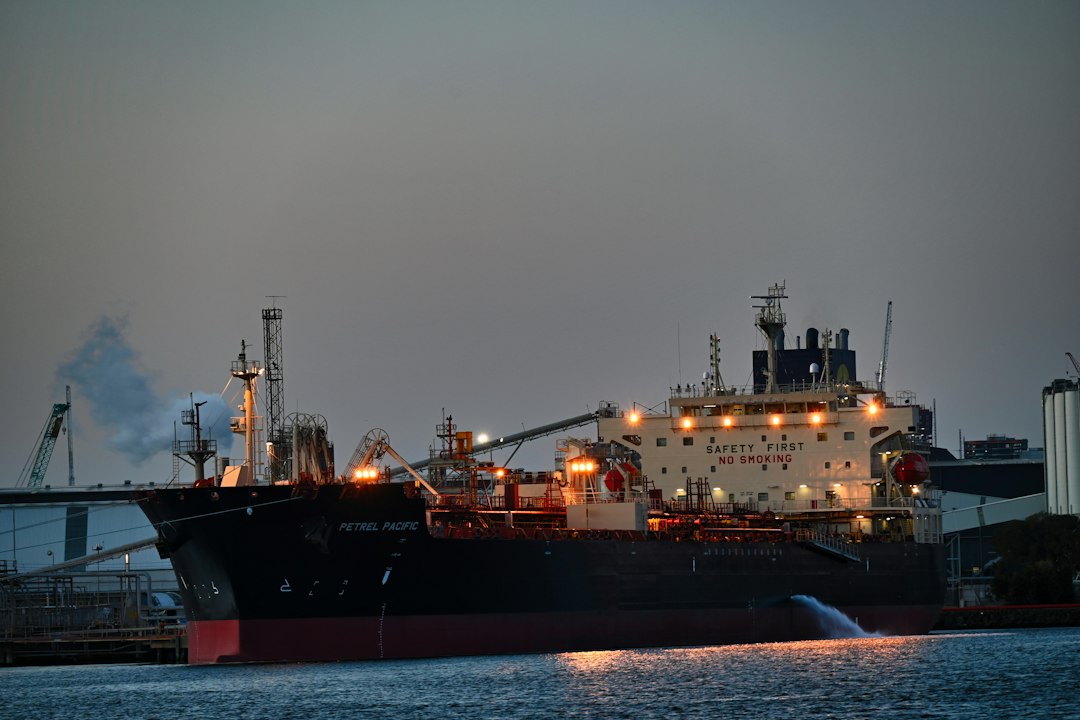
Saudi East-West Pipeline Resumes Oil Loadings Amid Red Sea Shipping Risks
Tankers have resumed loading crude oil from Saudi Arabia's critical East-West pipeline, signaling a strategic shift in export logistics as Red Sea shipping lanes face persistent disruption. The Petroline system, capable of moving up to 5 million barrels per day from eastern fields to the Red Sea port of Yanbu, offers Riyadh a vital bypass around the Bab el-Mandeb strait where Houthi attacks have inflated freight costs and rerouted global cargo flows.
Market Impact & Global Context
The reactivation of Petroline loadings carries immediate implications for global oil supply architecture. By diverting volumes through the 1,200-kilometer pipeline network, Saudi Aramco reduces exposure to war-risk premiums that have added $1-2 per barrel to freight rates for Suezmax and VLCC vessels transiting the southern Red Sea. This logistics flexibility strengthens the Kingdom's pricing power in Asian markets, where timely delivery schedules affect term contract valuations.
European refiners stand to benefit indirectly. With more Saudi barrels flowing west via pipeline to Yanbu — then north through the Suez Canal under naval escort — the reliability of Basrah Medium and Arab Light deliveries to Mediterranean hubs improves. The alternative, routing around the Cape of Good Hope, adds 10-14 days of transit time and ties up floating storage capacity that tightens global tanker availability.
"The Petroline restart is a calculated reminder that Saudi Arabia retains physical infrastructure options most producers lack. It caps the upside for geopolitical risk premiums in Brent while giving Aramco leverage in annual term negotiations with Asian buyers who value supply certainty," said a senior crude trading analyst at a major European energy house.
For emerging market importers in South Asia and Southeast Asia, the development eases concerns over prolonged freight inflation. India, the largest buyer of Saudi crude, has seen landed costs rise as insurers demand higher war-risk coverage. A functional pipeline alternative helps stabilize the differential between Dubai/Oman benchmarks and Brent, preserving the economic logic of Middle East sourcing versus Atlantic Basin grades.
Strategically, the move underscores Riyadh's commitment to maintaining market share amid OPEC+ production restraint. With the alliance holding back 2.2 million bpd of voluntary cuts through Q1 2024, every barrel exported efficiently reinforces the credibility of the supply management framework. Pipeline throughput data will now become a high-frequency indicator for traders assessing Saudi export discipline versus revenue needs.
Key Takeaways
- Logistics redundancy: Petroline provides 5 mb/d bypass capacity around Bab el-Mandeb, capping Red Sea war-risk premiums on freight and insurance.
- Asian pricing leverage: Reliable Yanbu loadings strengthen Aramco's hand in term contract talks with Chinese, Indian, and Northeast Asian refiners.
- European supply stability: Pipeline-to-Suez route preserves shorter transit times versus Cape routing, supporting Mediterranean refinery economics.
- OPEC+ credibility signal: Efficient export infrastructure utilization reinforces the alliance's supply management narrative during voluntary cut period.
Frequently Asked Questions
How much crude can the Saudi East-West pipeline actually move to Yanbu?
The Petroline system has a design capacity of approximately 5 million barrels per day, though operational throughput typically runs lower. Current loadings reflect a portion of this capacity as Aramco balances pipeline flows with direct shipments from Ras Tanura and Ju'aymah terminals.
Does this pipeline restart mean Red Sea shipping risks are over for oil tankers?
No. The pipeline offers an alternative for westbound volumes only; eastbound shipments to Asia still require Red Sea transit or Cape routing. Houthi attacks continue to target commercial vessels, maintaining elevated war-risk premiums for ships without pipeline bypass options.