Court Orders Trump Restore CNN, Politico, MSNBC Access: Media Governance Risk
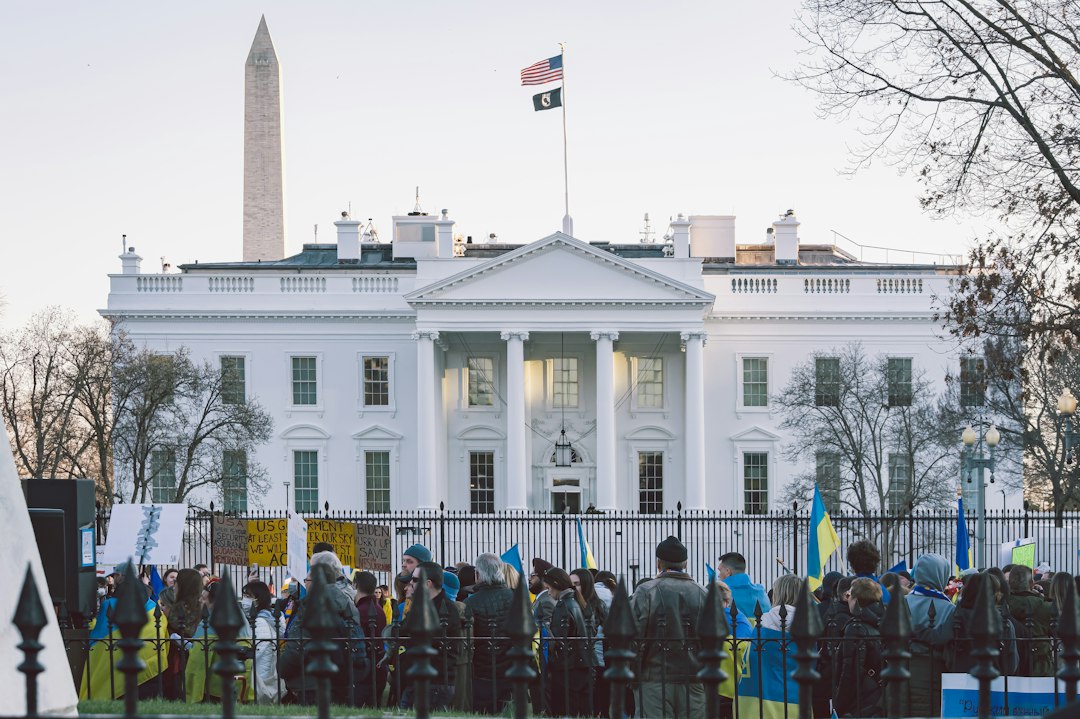
A federal court ordered the Trump administration late Tuesday to reinstate White House press credentials for CNN, Politico, and MSNBC, reversing a blockade that had barred correspondents from briefings and presidential events. The ruling, issued around 1:15 a.m. Eastern, frames press access as a constitutional imperative rather than an administrative privilege, injecting a sharp governance signal into media-sector risk models.
Market Impact & Global Context
The decision arrives as investors reassess political-risk premiums on U.S. media equities. Warner Bros. Discovery (WBD), parent of CNN, and Comcast (CMCSA), owner of MSNBC, have traded at persistent discounts to broader indices partly due to regulatory uncertainty and retaliation risk. Axel Springer, Politico's parent, faces similar overhang in European markets. A judicially enforced restoration of access reduces the tail risk of prolonged exclusion, which can depress advertising leverage and subscriber growth for affected outlets.
Beyond individual tickers, the ruling reinforces the institutional durability of the First Amendment as a commercial backstop. Credit markets price media debt with an embedded "political interference" spread; narrowing that spread lowers cost of capital for content investment and M&A. Historical precedent — such as the 1977 Sherrill v. Knight precedent affirming press-pass due process — suggests courts consistently treat credentialing as a protected interest, giving analysts a template for modeling recovery trajectories.
"The market has been pricing a non-zero probability of sustained administrative pressure on critical outlets. This ruling doesn't just restore passes; it re-anchors the regulatory floor for media cash flows," said a senior media analyst at a major investment bank. "Watch for short-covering in WBD and CMCSA, but the durable re-rating depends on whether the White House complies without further procedural friction."
Emerging-market investors should note the signaling value: sovereign wealth funds and pension allocators use press-freedom indices as a proxy for contract enforceability and rule-of-law quality. A high-profile U.S. enforcement of media access improves the governance scorecard for dollar-denominated assets broadly, supporting capital-flow stability into U.S. equities and Treasuries.
Key Takeaways
- Tail-risk reduction: Judicial enforcement of press credentials compresses the political-risk discount on WBD, CMCSA, and Axel Springer debt and equity.
- Governance signal: The ruling strengthens the First Amendment's role as a commercial backstop, lowering the cost of capital for news-gathering operations.
- Compliance watch: Near-term trading hinges on the speed and completeness of White House compliance; procedural delays could sustain volatility.
- Cross-border read-across: Improved U.S. press-freedom metrics support sovereign-risk models used by EM allocators, marginally favoring U.S. asset inflows.
Frequently Asked Questions
Does the court order guarantee immediate physical access for reporters?
The order mandates credential restoration, but logistical implementation depends on White House operations. Full access typically resumes within 24–48 hours once the press office processes the court directive.
How might this ruling affect media M&A activity?
Reduced regulatory overhang improves strategic clarity for buyers and sellers. Private-equity and strategic acquirers can model media cash flows with lower political-interference probability, potentially accelerating deal timelines in the sector.