Britain’s North Sea Oil Decision Threatens Energy Security & Oil Prices
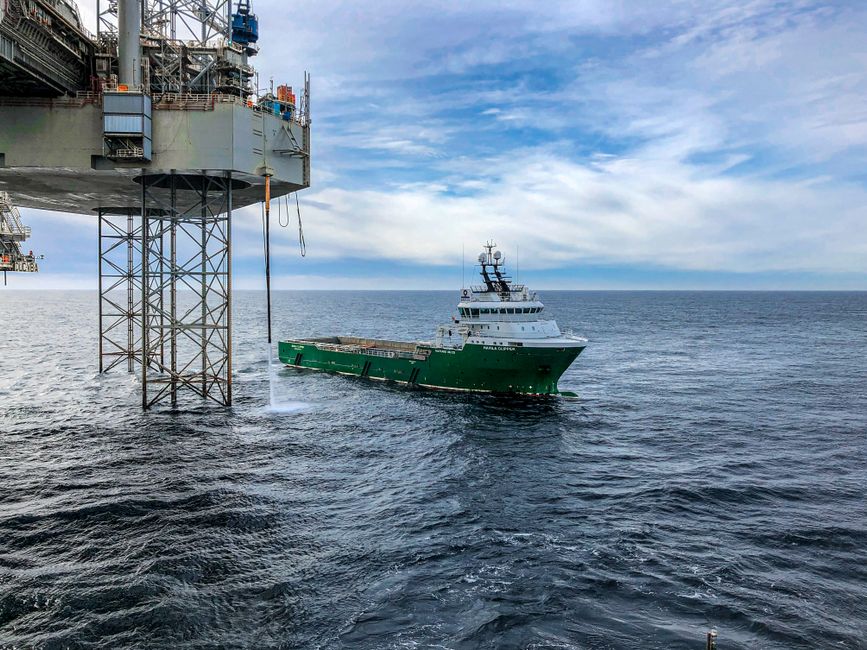
Britain is on the cusp of a pivotal policy decision regarding its aging North Sea oil fields, a move that could reshape the United Kingdom’s energy security calculus and reverberate through global oil markets. The looming choice—whether to extend production at mature reservoirs or accelerate a managed decline—comes at a time when European energy independence is under heightened scrutiny and oil price volatility is already elevated. This decision matters now because the North Sea has historically supplied roughly 10 % of the EU’s oil demand, and any reduction in output could force the UK and its neighbors to rely more heavily on imports from the Middle East, Russia, or North American shale, potentially tightening global supply balances.
Market Impact & Global Context
The strategic implications extend far beyond the UK’s fiscal coffers. A premature curtailment of North Sea output would likely increase the region’s import dependence, exposing European economies to geopolitical supply risks, especially as tensions in the Middle East continue to drive price spikes such as those documented in Oil Hits $100 a Barrel as Turmoil Intensifies in Middle East. Historically, similar production declines in other mature basins—such as the decline of UK Continental Shelf output after 2015—have been met with a swift repricing of Brent crude, as traders recalibrate expectations for spare capacity.
Moreover, the decision will influence investment flows within the energy sector. If the government signals a long‑term wind‑down, private equity and super‑major capital allocation is likely to shift toward newer projects in the North Atlantic or African basins, potentially accelerating the consolidation of production in low‑cost regions. Conversely, an extension of field life could sustain employment levels in Scotland and the Northeast of England, but may also delay the transition to cleaner energy sources that the UK has pledged to prioritize under its net‑zero roadmap.
“The North Sea’s twilight phase presents a classic supply‑side dilemma: preserving short‑term energy security versus accelerating the shift to renewables. Policymakers must weigh the fiscal revenue from extended production against the strategic cost of locking capital into a declining asset class,” said Laura Mitchell, senior analyst at the London‑based Energy Futures Institute.
Financial markets are already pricing in uncertainty. The UK’s North Sea exposure is reflected in the FTSE 100’s energy sector weighting, and any announcement that materially changes production forecasts could trigger a measurable re‑rating of integrated oil majors such as Shell, BP, and Tullow Oil, which still hold significant positions in the region.
Key Takeaways
- The UK’s decision on aging North Sea fields could increase European import reliance and amplify exposure to Middle East supply shocks.
- A managed decline would likely accelerate capital migration toward newer, lower‑cost oil projects and reinforce the trend toward North American and African production growth.
- Short‑term fiscal gains from extended field life must be balanced against the UK’s net‑zero commitments and long‑term energy security objectives.
- Traders should monitor Brent crude volatility and related equity valuations in integrated oil majors for early signals of market reaction.
Frequently Asked Questions
Will Britain’s North Sea oil decision affect European energy security?
Yes. The North Sea has historically supplied about 10 % of EU oil demand. A reduction in UK production would increase the region’s dependence on external sources, heightening vulnerability to geopolitical disruptions, particularly given ongoing tensions in key supplying regions.
How might a cut in North Sea output influence global oil prices?
A decline in North Sea production removes a modest but reliable source of supply, tightening global spare capacity. In a market already sensitive to Middle East volatility, such a reduction could amplify price spikes, especially if alternative sources cannot quickly fill the gap.