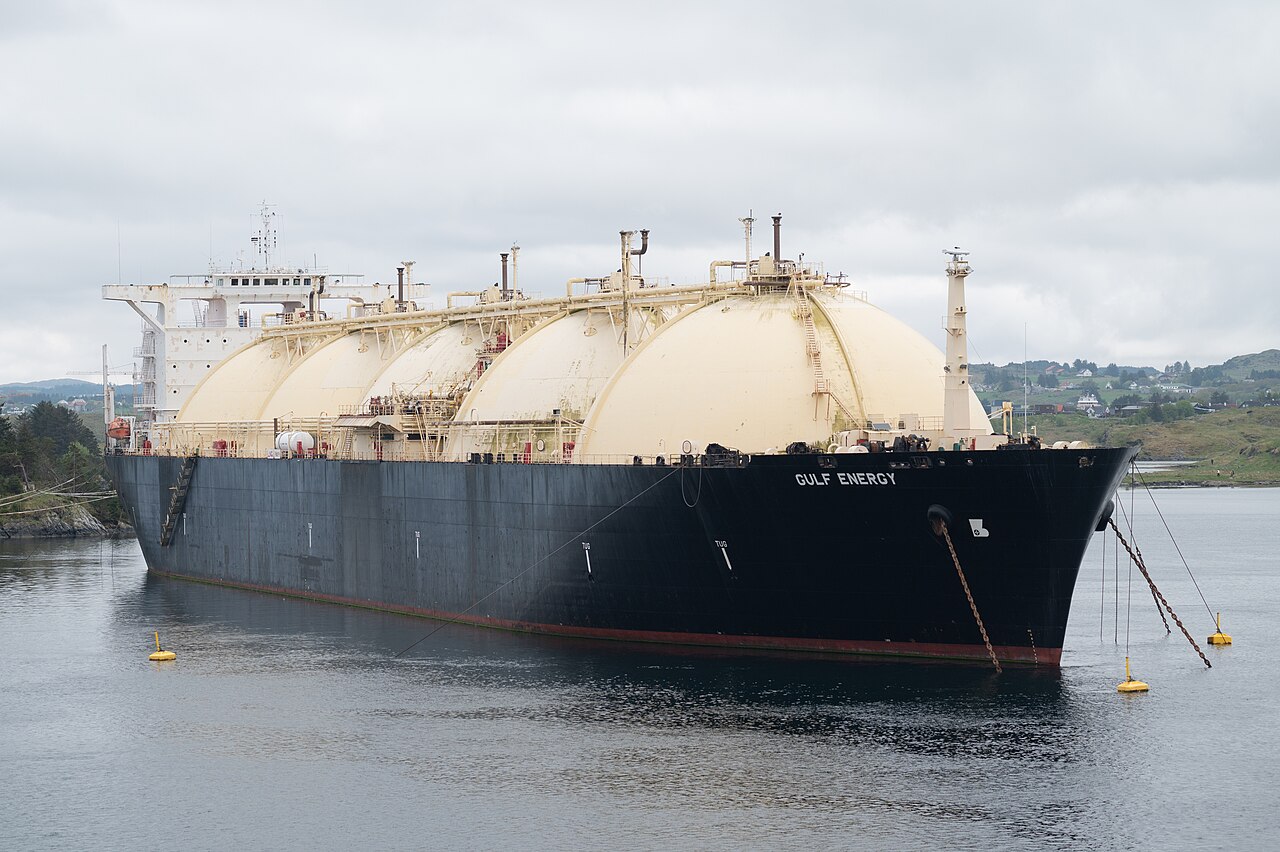
Trump Floats Alaska LNG in Korea Deal: Energy Security Meets Transactional Diplomacy
— Former President Donald Trump has signaled that Alaska's long-stalled liquefied natural gas (LNG) export project could anchor a broader investment package with South Korea, reviving a strategic energy corridor that has eluded developers for decades. The proposal reframes Alaska's North Slope gas not merely as a commodity play but as a geopolitical lever in Indo-Pacific alliance management.
Market Impact & Global Context
The Alaska LNG project — a 800-mile pipeline from Prudhoe Bay to Nikiski with a 20 mtpa liquefaction facility — has cycled through feasibility studies since the 1970s without reaching final investment decision. Trump's linkage to Korean capital introduces a demand anchor that prior iterations lacked: South Korea imported 46 million tonnes of LNG in 2023, the world's third-largest buyer, and seeks supply diversification away from Qatar and Australia.
For U.S. natural gas markets, the signal matters more than the steel. Henry Hub futures have traded in a $2.50–$3.50/MMBtu range for months, pressured by record domestic production and constrained export capacity. A credible 20 mtpa Alaska terminal would represent a 15% increase in U.S. liquefaction capacity by 2030, potentially tightening the domestic balance and supporting basis differentials in the Rockies and Pacific Northwest.
European energy security calculations also shift. While Alaska LNG would primarily serve Asian buyers, incremental global supply reduces competition for Atlantic Basin cargoes — a subtle but real benefit for EU gas storage refill dynamics heading into winter 2025–26.
"This isn't about project finance — it's about strategic offtake. Korea needs long-term, non-Middle East supply; Alaska needs a creditworthy anchor tenant. If Trump can align U.S. export permitting, Korean EPC capacity, and Japanese equity, the economics suddenly work. The market is pricing zero probability of Alaska LNG; any progress creates asymmetric upside for North American gas producers."
— Senior Energy Strategist, Major Global Investment Bank
Transmission channels extend beyond gas molecules. Korean shipyards (HD Hyundai, Samsung Heavy) dominate LNG carrier construction; a firm Alaska order book supports their valuation thesis. U.S. pipeline contractors and compressor OEMs (Chart Industries, Baker Hughes) gain visible demand pipeline. The macro correlation: energy infrastructure capex cycles correlate with industrial metals intensity — copper, nickel, specialty steel — offering a leading indicator for materials equities.
Key Takeaways
- Demand anchor changes project risk profile: Korean offtake commitments could de-risk the $40–50B capital requirement, shifting Alaska LNG from "stranded asset" to "strategic infrastructure."
- U.S. LNG export capacity trajectory steepens: If permitted, Alaska adds ~15% to nameplate capacity by 2030, tightening Henry Hub basis and supporting Appalachian/Rockies producer economics.
- Indo-Pacific energy architecture evolves: Korea secures non-Middle East supply; U.S. deepens alliance integration through energy interdependence — a template for Japan, Taiwan, Philippines engagement.
- Permitting remains the binding constraint: Federal NEPA review, state permitting, and FERC certification timelines (5–7 years) mean no molecules flow before 2030 — markets should discount accordingly.
Frequently Asked Questions
Why has the Alaska LNG project failed to launch despite decades of study?
Previous iterations lacked a creditworthy, long-term offtaker willing to sign 20-year take-or-pay contracts at prices covering the project's high breakeven ($9–11/MMBtu delivered to North Asia). Competing U.S. Gulf Coast projects offered lower-cost, faster-to-market alternatives.
How would Korean investment alter the project's financial viability?
Korean utilities (KOGAS, private buyers) and policy banks (KEXIM, KDB) can provide sovereign-backed offtake and concessional debt, reducing weighted average cost of capital by 150–200 basis points — potentially the margin between sanction and shelve.