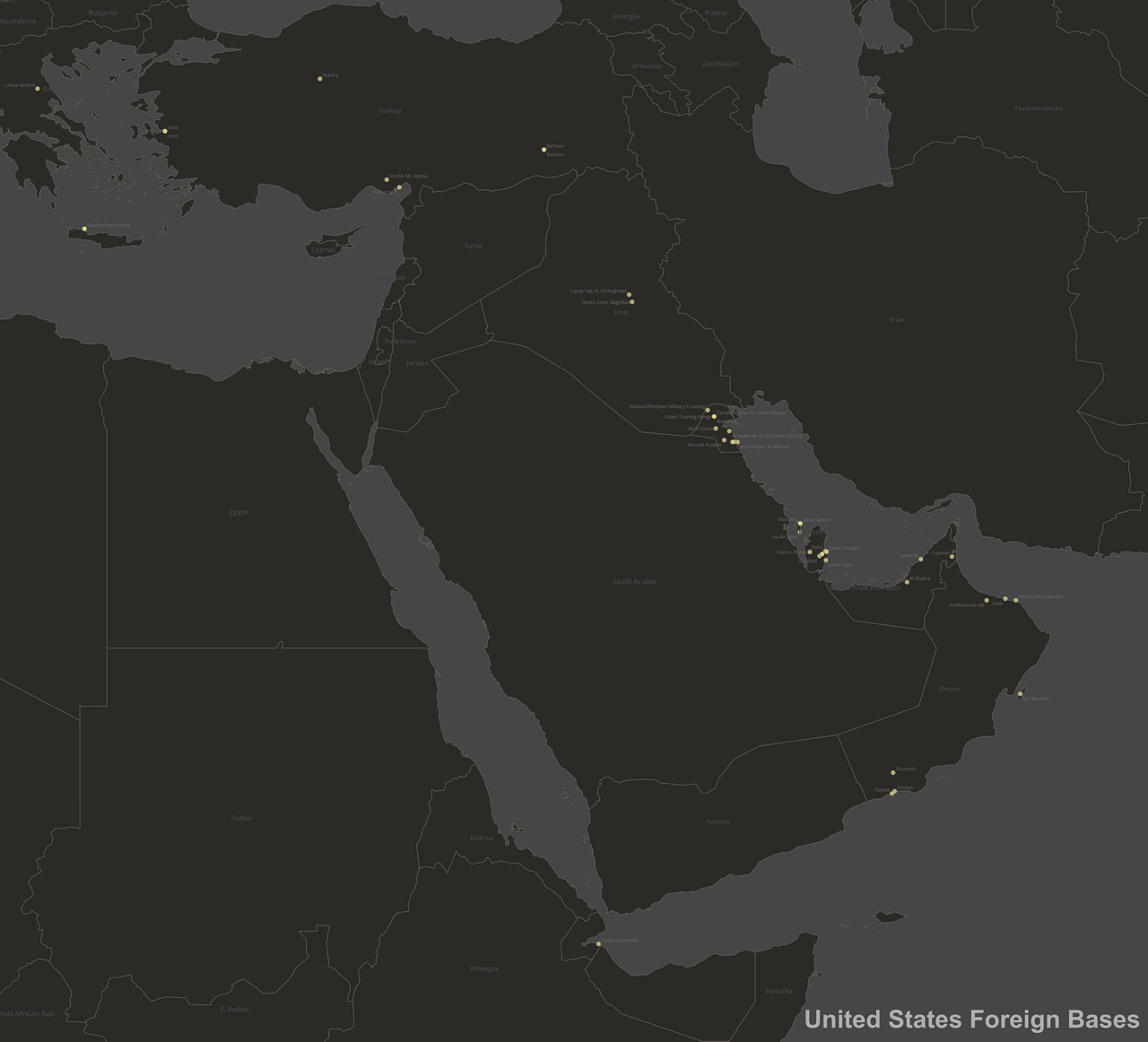
US Military Buildup in Middle East Heightens Iran Escalation Risk, Pressuring Oil Markets
The United States has expanded its military footprint in the Middle East, adding naval strike groups and forward-deployed ground units, according to the latest defense briefing. This posture raises the probability of a direct confrontation with Iran, which could disrupt oil flows through the Strait of Hormuz and trigger a risk‑off shift in global markets. Investors are already watching for early signs of supply tightening and higher volatility in energy‑linked assets.
Market Impact & Global Context
The buildup concentrates U.S. air and sea power near Iran’s southern coast, a move that analysts say raises the geopolitical risk premium embedded in crude prices. Should tensions flare, even a temporary closure of the Strait of Hormuz could cut roughly 20 % of global seaborne oil exports, prompting a rapid repricing of Brent and WTI benchmarks.
“The current U.S. force posture does not guarantee conflict, but it materially increases the chance that any miscalculation could escalate into a regional clash, which would instantly lift oil volatility and weigh on emerging‑market currencies tied to energy exports.” — Markets Analyst, Global Energy Insights
Beyond energy, defense stocks may see short‑term gains as investors anticipate higher procurement budgets, while European equities with exposure to Middle‑East trade could face headwinds from rising freight insurance costs. Emerging‑market sovereigns that rely on oil revenues, such as Iraq and Saudi Arabia, might benefit from higher prices, but their fiscal buffers remain sensitive to sudden supply shocks.
Key Takeaways
- The expanded U.S. military presence raises the likelihood of an Iran‑related incident, directly affecting oil‑market risk premia.
- A disruption to Hormuz shipments could cut global oil supply by roughly one‑fifth, triggering sharp price spikes.
- Defense sector equities may benefit from increased spending expectations, whereas energy‑intensive industries face margin pressure.
- Emerging‑market currencies linked to oil exports could experience heightened volatility, with upside for producers and downside for importers.
Frequently Asked Questions
How likely is a direct U.S.–Iran military clash given the current buildup?
While the buildup increases the chance of an accidental encounter, most analysts view a full‑scale clash as low probability unless diplomatic channels break down. The primary market impact stems from the heightened risk premium rather than an immediate outbreak of hostilities.
Which assets are most sensitive to a Hormuz supply shock?
Crude oil benchmarks (Brent, WTI) and related energy equities react most sharply, followed by shipping stocks and commodities reliant on stable transport costs. Currencies of oil‑exporting emerging markets tend to strengthen on price spikes, while importers see depreciation pressure.