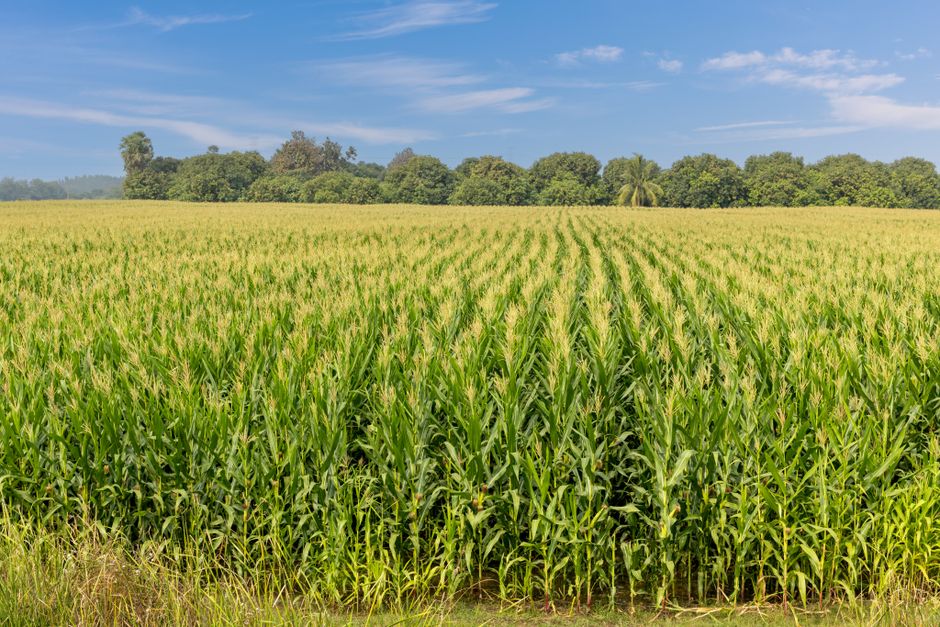
Most investors can quickly name the commodities that dominate portfolios: crude oil, gold, copper and natural gas. Water and agriculture rarely make that list, yet they may be the most essential resources on earth. Every economy, supply chain and household depends on freshwater and food, and demand for both is climbing as the global population grows and dietary patterns shift toward more resource-intensive foods. Supply, by contrast, is structurally constrained. Arable land is finite, soil quality is degrading in many regions, and climate variability is making rainfall and harvests less predictable. That gap between inelastic demand and constrained supply is precisely the condition that has historically produced durable value in commodity markets, which is why a growing number of institutional funds now treat water and agriculture as strategic allocations rather than niche exposures.
The Case for Water as an Investable Asset
Water is often described as the most underpriced resource in the world, and the economics behind that label are becoming clearer. Freshwater supply is effectively fixed, while demand from agriculture, industry and growing cities continues to rise, and the United Nations projects that nearly two-thirds of the world's population could face water stress by the middle of the decade. Because water has no direct global spot market in the way oil does, investors gain exposure primarily through the companies that own, treat, distribute and price it. Water utilities, infrastructure operators, pump and valve manufacturers, and desalination technology firms all sit on the front line of scarcity. The investment thesis is straightforward: utilities and water-related infrastructure tend to generate regulated, recession-resistant revenue, while technology providers benefit as governments are forced to spend on efficiency, leakage reduction and new supply sources. These exposures behave less like a commodity and more like a blend of defensive equity and policy-driven growth, which makes them attractive for diversified portfolios.
Agriculture: Food Demand Meets Structural Supply Limits
Agriculture offers a more direct commodity exposure, and its long-term fundamentals are similar. The world must produce more food on roughly the same land base to feed a population heading toward ten billion, and the shift toward protein-heavy diets in emerging economies compounds the pressure on grain, oilseed and livestock markets. At the same time, the supply side is tightening. Productive farmland is concentrated in a handful of countries, urbanization consumes agricultural land near cities, water scarcity limits irrigation expansion, and extreme weather events increasingly disrupt harvests in major producing regions. Soft commodities such as corn, soybeans, wheat and coffee can be volatile from season to season, but investors who look through the short-term noise see a persistent theme: the long-run price trend is shaped by structural supply constraints and demographic demand growth. That makes agricultural commodities a genuine inflation hedge and a diversifier that behaves differently from equities and bonds.
The Water-Food-Energy Nexus and Supply Chain Pressure
Water and agriculture cannot be analyzed in isolation because they are bound together in what economists call the water-food-energy nexus. Agriculture is the largest consumer of freshwater in the world, responsible for roughly seventy percent of total withdrawals, while irrigation requires energy and much of the electricity system depends on water for cooling. A dry year can therefore ripple across food prices, power generation and industrial output at the same time, as recent droughts in major agricultural regions have demonstrated. For investors, this interconnection matters in two ways. First, it means water scarcity is not a distant environmental issue but a live supply-chain risk that can affect food inflation, energy costs and the margins of companies across sectors. Second, it creates investable themes that cut across traditional boundaries, from fertilizer producers and irrigation technology to water-efficient crop genetics and agricultural logistics, all of which are exposed to the same scarcity dynamic from different angles.
How Investors Can Gain Exposure
There are several practical routes into water and agriculture, each with different risk and return characteristics. Exchange-traded funds provide a low-cost way to own diversified baskets of water utilities, agricultural producers and agritech companies, while commodity futures and rolling commodity indices give direct exposure to soft commodity prices for investors comfortable with margin and roll costs. Listed equities remain the most accessible vehicle: global food producers, fertilizer companies, farm-equipment manufacturers and water infrastructure firms trade on major exchanges and offer revenue visibility that pure commodity bets lack. More sophisticated investors can access farmland and water rights through private funds, which typically require longer holding periods but offer the potential for income from crop sales and land appreciation. The key is matching the vehicle to the investor's time horizon and risk appetite, because a direct futures position in wheat behaves very differently from a regulated water utility, even though both are playing the same structural theme.
Risks and Considerations for Long-Term Investors
For all their fundamental appeal, water and agriculture carry risks that investors should weigh carefully. Commodity prices are subject to sharp cyclical swings driven by weather, harvests and speculation, and regulatory risk is significant in water, where pricing is often controlled by governments and political pressure can delay needed investment. Liquidity varies widely across the asset class: water equity funds trade readily, but farmland and water-rights vehicles are illiquid and difficult to price in real time. Climate policy adds another layer of uncertainty, as subsidies, export bans and sustainability rules can shift the competitive landscape in either direction. None of these risks disqualifies the thesis, but they do argue for a measured approach. Water and agriculture are not momentum trades; they are long-duration allocations built on the slow, powerful forces of population growth, resource scarcity and the public spending that follows. For investors willing to hold them through the cycles, they offer something increasingly rare in modern portfolios: exposure to demand that humanity cannot choose to forgo.