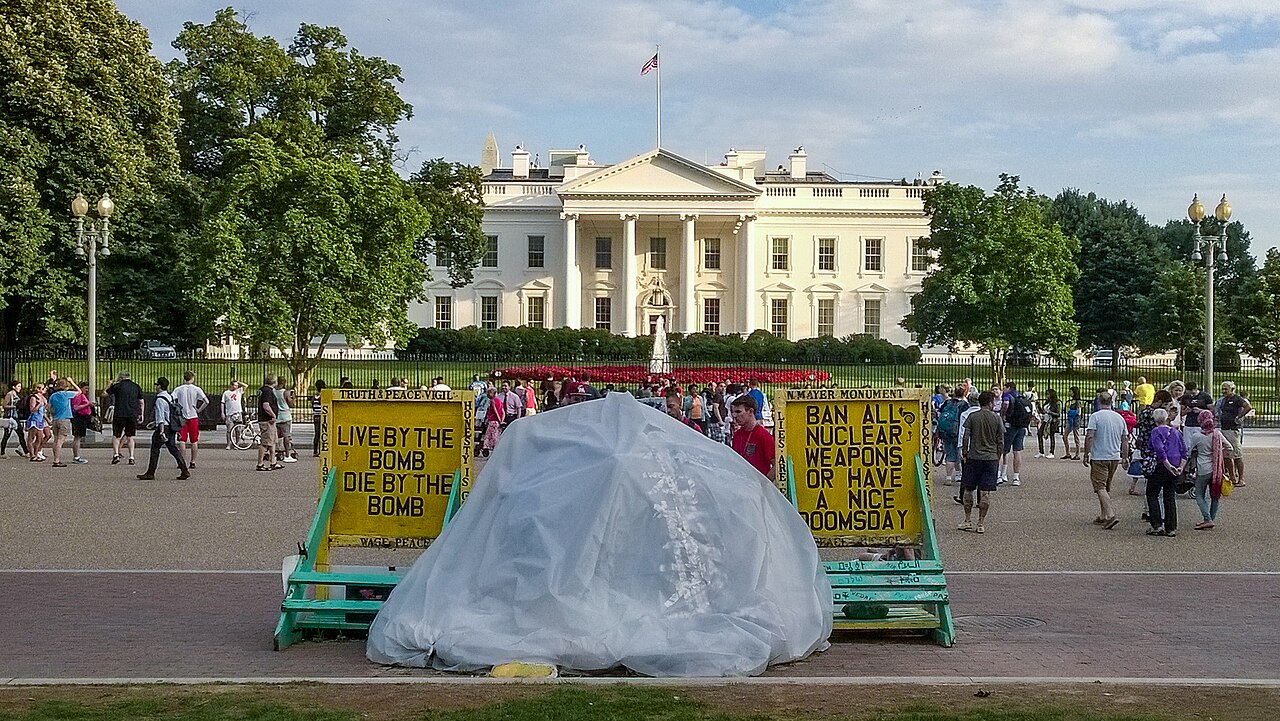
White House Asserts Power to Ban News Outlets: Media Stocks at Risk
The White House has filed a legal claim asserting that the president possesses unilateral authority to bar specific news outlets from covering administration events. The filing, submitted in response to a press freedom lawsuit, argues that such restrictions fall within executive discretion over access to government information.
Analysts warn that the move could heighten regulatory risk for media companies and amplify volatility in sectors tied to advertising and digital content, prompting investors to reassess exposure to firms reliant on federal press relations.
Market Impact & Global Context
The assertion challenges longstanding norms governing press‑government relations in the United States, a development that could reverberate through global equity markets. Should the claim prevail in court, media firms that depend on timely access to official briefings—such as major broadcast networks and digital publishers—might face sudden disruptions to news‑gathering operations, potentially affecting advertising revenue streams.
Historically, judicial interventions have curtailed similar executive overreach in other democracies. For example, recent rulings by Israel’s highest courts overturned bans on Arab political parties, reinforcing the principle that electoral and speech restrictions face strict scrutiny (Israels Høyesterett opphever valgforbud mot arabiske partier and Israël's Hoge Raad Keurt Verkiezingsverbod Arabische Partijen Af).
“If the executive can unilaterally exclude outlets, investors must price in a new layer of operational uncertainty for media stocks, particularly those with high reliance on government‑sourced content,” said Sarah Levin, senior media analyst at the Brookfield Institute.
Such uncertainty could trigger a sector rotation toward companies with diversified revenue bases or those less exposed to federal press access, while increasing demand for legal‑risk advisory services among media conglomerates.
Key Takeaways
- The White House filing asserts presidential authority to bar news outlets, testing constitutional limits on executive power over press access.
- Media firms reliant on federal briefings face potential revenue volatility if the claim is upheld by courts.
- Comparisons to judicial rulings in Israel highlight a global trend of courts checking executive bans on political speech.
- Investors may reassess exposure to media equities, favoring entities with diversified advertising and subscription models.
Frequently Asked Questions
What specific legal basis does the White House cite for its authority to bar news outlets?
The filing argues that the president’s discretion over who may attend official events stems from broader executive powers to manage the flow of government information, though it does not reference a specific statute.
How might this development affect advertising rates for major television networks?
If outlets lose regular access to press briefings, their ability to produce timely, exclusive content could diminish, potentially lowering viewership and putting downward pressure on advertising CPMs.