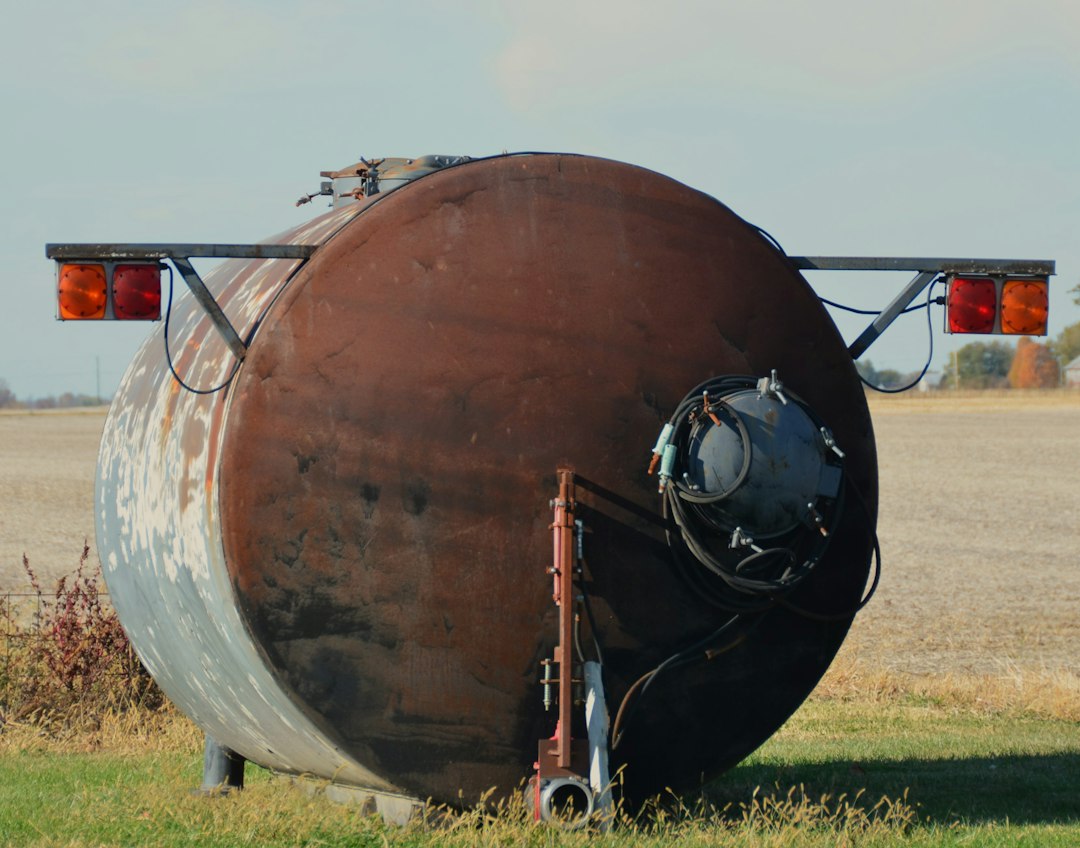
Iran Conflict Risk Drives Heating Oil Premiums Amid Tight Global Distillate Markets
Geopolitical escalation in the Middle East is injecting a structural risk premium into global distillate markets, with heating oil prices particularly exposed to supply disruption scenarios. The prospect of an Iran-involved conflict threatens to constrict crude flows through the Strait of Hormuz while simultaneously tightening diesel and gasoil balances ahead of peak winter demand in the Northern Hemisphere.
Market Impact & Global Context
The heating oil market enters winter with inventories below the five-year average across the U.S. Northeast and Northwest Europe. Any disruption to Middle Eastern crude exports — particularly heavier, sulfur-rich grades favored by complex refineries producing distillates — would force runs on alternative crudes, widening the diesel crack spread and lifting heating oil basis levels.
Refining margins for middle distillates have already priced in a portion of this risk. The transatlantic arbitrage for gasoil remains wide, pulling U.S. Gulf Coast barrels toward Europe where stocks are critically low. A Hormuz closure scenario would sever roughly 17 million bpd of crude and product flows, forcing an immediate scramble for Atlantic Basin supply. This dynamic was explored in our analysis of what set off the rise in interest rates, mainly the Iran war, where energy-driven inflation expectations forced central bank recalibration.
Sanctions architecture adds a second layer of complexity. Recent U.S. action targeting Russia's VTB Bank over ties to Iran demonstrates the willingness to weaponize financial channels against Iranian oil revenue. Secondary sanctions on tankers and insurers handling Iranian barrels could further shrink the available fleet for legitimate Middle Eastern crude, increasing freight costs and delivery timelines for European refiners.
"The heating oil market is pricing a dual shock: physical crude availability if Hormuz is threatened, and financial availability if sanctions compliance tightens vessel supply. Northeast U.S. consumers are the marginal buyers in this equation — they absorb the basis blowout when European buyers outbid for Atlantic Basin cargoes."
— Senior Energy Analyst, Global Commodities Desk
Emerging market demand destruction offers a partial offset. High distillate prices in dollar terms suppress consumption in price-sensitive economies, creating a demand-side buffer. However, this mechanism operates with a lag and cannot compensate for an acute supply shock. The interaction between India's navigation of Russian oil discounts and potential Trump tariffs further complicates global flow patterns, as New Delhi's purchasing decisions swing millions of barrels between sanctioned and non-sanctioned streams.
Key Takeaways
- Heating oil basis risk is asymmetric to the upside: Northeast U.S. and Northwest Europe face the sharpest exposure if Hormuz transit is disrupted or sanctions tighten vessel availability.
- Distillate cracks reflect structural tightness, not just fear premium: Sub-five-year-average inventories mean any supply loss translates immediately into physical market tightening.
- Sanctions enforcement on tankers and insurers acts as a de facto supply constraint: Financial channels can restrict physical flows as effectively as a blockade.
- Monitor transatlantic gasoil arbitrage flows: Sustained wide spreads signal European desperation for barrels, pulling supply from U.S. markets and lifting domestic heating oil costs.
Frequently Asked Questions
How directly does an Iran conflict affect U.S. heating oil prices?
U.S. heating oil prices are set in the global market. While the U.S. produces ample crude, Northeast refineries import waterborne cargoes priced off Brent. A Hormuz disruption lifts Brent and distillate cracks globally, raising the replacement cost for every gallon sold in Boston or New York.
Can strategic petroleum reserves offset a heating oil supply shock?
The Strategic Petroleum Reserve holds crude, not refined products. The Northeast Home Heating Oil Reserve holds only 1 million barrels — roughly one day of regional winter demand. SPR crude releases require refining capacity and time, making them ineffective for acute distillate shortages.