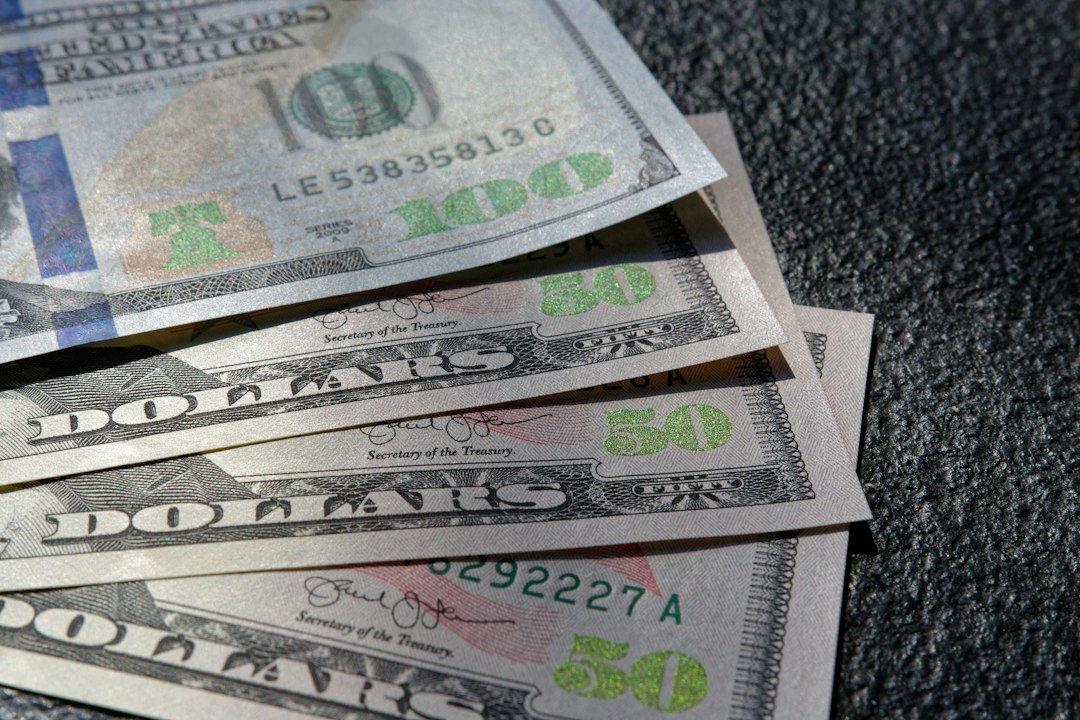
US Dollar Capital Flows Surge: Why Global Investors Are Rotating Into USD Assets Now
Market analysis indicates the US dollar is positioned to strengthen as global capital flows rotate toward dollar-denominated assets, driven by widening interest rate differentials and persistent safe-haven demand. This shift carries significant implications for emerging market debt sustainability, commodity pricing, and cross-border investment strategies.
Market Impact & Global Context
The dollar's current trajectory reflects a confluence of structural and cyclical forces. The Federal Reserve's restrictive policy stance, maintained well into 2024, has kept US Treasury yields elevated relative to most developed-market peers. This yield advantage attracts foreign portfolio inflows into short-duration Treasuries and money-market funds, reinforcing dollar demand independent of trade flows.
Emerging markets face asymmetric pressure. Countries with high dollar-denominated debt service burdens — particularly in Latin America and Sub-Saharan Africa — see local currency depreciation amplify fiscal strain. Historical precedent from 2013's "taper tantrum" and 2022's aggressive tightening cycle shows that sudden capital flow reversals can trigger sovereign distress when foreign reserves are insufficient.
Commodity markets transmit dollar strength inversely. A stronger dollar typically weighs on oil, copper, and agricultural prices, creating a feedback loop: lower commodity revenues weaken export-dependent emerging market currencies further, accelerating capital flight. This dynamic complicates central bank policy choices in commodity-exporting nations.
"According to market analysts at a major global macro fund, the dollar's resilience isn't merely a rate story — it's a liquidity story. When global risk appetite contracts, the dollar functions as the world's primary funding currency, creating self-reinforcing demand that overshoots fundamental valuation models."
European equities present a nuanced picture. While a stronger dollar boosts earnings for eurozone exporters, it simultaneously tightens global financial conditions, dampening investment appetite for peripheral European debt. The ECB's easing cycle, now underway, widens the policy divergence with the Fed — a configuration that historically sustains dollar appreciation over 6-12 month horizons.
Key Takeaways
- Yield differentials remain the primary driver: The Fed-ECB policy gap favors dollar-denominated short-term instruments for global cash managers.
- Emerging market vulnerability is elevated: Nations with twin deficits and low reserves face heightened rollover risk on dollar debt.
- Commodity exporters face dual pressure: Dollar strength depresses revenue while increasing import costs, straining current accounts.
- Portfolio positioning matters: Overweight dollar cash equivalents and underweight unhedged emerging market duration aligns with the current flow regime.
Frequently Asked Questions
What triggers a reversal in dollar capital flows?
A sustained Fed pivot to rate cuts, combined with improving growth data outside the US, typically reverses the flow dynamic. Historical inflection points coincide with narrowing real yield differentials and rising global risk appetite.
How should investors hedge emerging market exposure during dollar strength?
Currency-hedged local currency bonds, hard-currency sovereigns with strong fundamentals, and selective equity exposure in domestic-demand-driven sectors offer better risk-adjusted returns than unhedged broad EM indices.