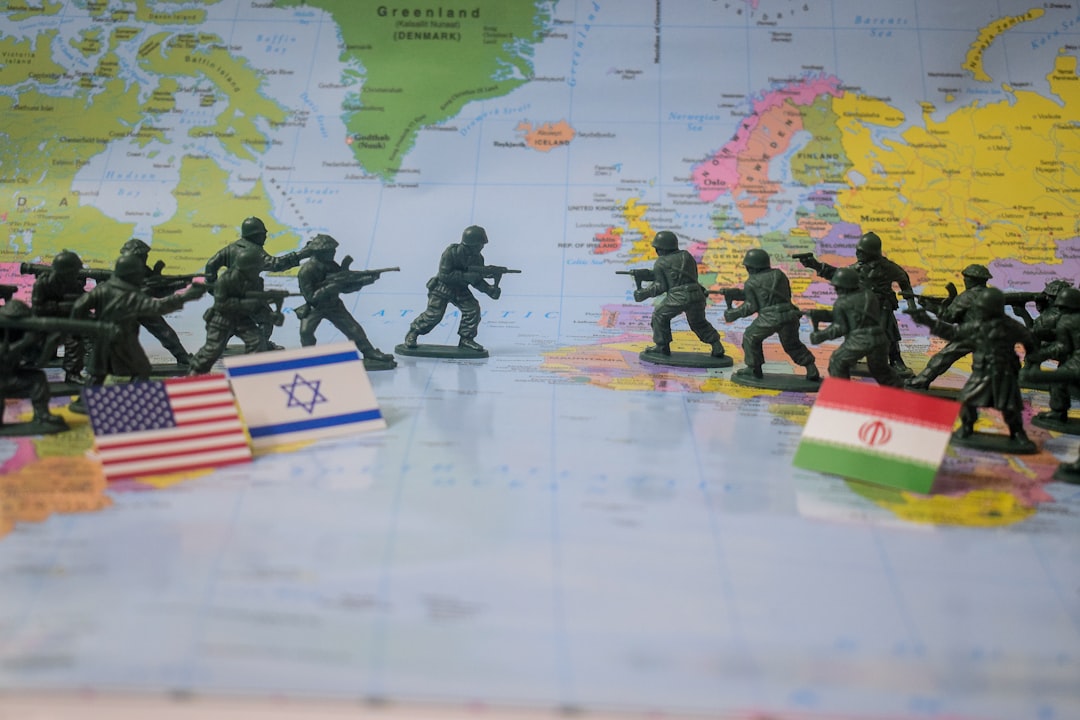
G20 Finance Talks in U.S. Confront Iran War's Grip on Global Economy
Finance ministers and central bank governors from the world's largest economies convened in Washington this week, with the escalating Iran conflict dominating the agenda. The gathering, held on the sidelines of the International Monetary Fund and World Bank spring meetings, exposed deep divisions over how to stabilize energy markets, contain inflation, and coordinate monetary policy as a Middle East war threatens to derail fragile global growth.
Market Impact & Global Context
The G20's U.S. venue amplifies the geopolitical signal: Washington is positioning itself as the convener of an emergency economic response rather than a peripheral actor. For traders, the central question is whether this meeting produces concrete policy tools or merely restates shared concern. Historically, G20 finance tracks deliver credible market reaction only when they signal coordinated central bank action, sovereign debt intervention, or synchronized sanctions. Absent those commitments, equity benchmarks typically fade the headlines within 48 hours.
Energy-exposed equities on both sides of the Atlantic face the most immediate transmission risk. European markets, which import a higher percentage of oil and natural gas than U.S. benchmarks, remain structurally vulnerable to any sustained Strait of Hormuz disruption. A prolonged supply shock would compound the European Central Bank's existing dilemma, forcing policymakers to weigh stagflation scenarios against growth support. The U.S. dollar, typically a beneficiary of global risk aversion, may attract safe-haven flows if the conflict deepens, tightening dollar funding conditions for emerging market sovereigns carrying dollar-denominated debt.
For emerging markets, the calculus is more punishing. The Rise of Emerging Markets: Why Global Investors Are Turning to Frontier Economies thesis depends on stable dollar liquidity and contained energy prices, two conditions the current conflict directly threatens. Import-dependent economies across Asia, Africa, and Latin America face widening current account deficits if oil benchmarks remain elevated, raising the probability of IMF interventions and capital flow reversals.
"Markets are pricing a localized conflict with manageable escalation risk, but G20 communiqués rarely move equity flows unless they break an impasse. The real signal will come from how decisively the U.S. Treasury and ECB align on contingency tools for an energy shock that, until recently, was treated as a tail risk."
Crude-linked inflation also revives the trade-war transmission channel identified in the U.S.-Canada trade war analysis. Tariff-driven cost pressures layered onto energy-driven cost pressures leave central banks with fewer conventional tools and raise the probability of heterodox policy responses from currency intervention to capital controls in vulnerable jurisdictions.
Key Takeaways
- Energy transmission is the dominant macro risk: Any G20 coordination that stabilizes oil flows or releases strategic reserves would materially relieve inflation pressure across import-dependent economies.
- Safe-haven flows favor the U.S. dollar: Escalation typically tightens dollar liquidity, pressuring emerging market sovereigns and reinforcing the dollar's reserve status.
- European equities carry asymmetric downside: Higher energy import dependency makes Eurozone benchmarks more sensitive to a sustained supply shock than U.S. peers.
- Watch for coordinated central bank language: Concrete commitments on swap lines, reserve management, or sanctions enforcement will move markets more than communiqués on diplomatic coordination.
Frequently Asked Questions
How does the Iran war affect global oil prices and investor portfolios?
Geopolitical conflict in the Middle East historically pushes crude benchmarks higher through supply disruption risk premiums, even when physical flows remain stable. Energy-sector equities typically rally in the initial phase, while consumer discretionary and rate-sensitive growth stocks face valuation compression as inflation expectations re-anchor. Portfolios with diversified commodity exposure tend to outperform pure equity allocations during acute conflict windows.
Will G20 coordination move emerging market currencies and bond yields?
Emerging market assets respond most decisively to G20 signals that include specific dollar-liquidity provisions, swap-line expansions, or IMF facility enhancements. General expressions of concern rarely produce durable yield compression. Watch the U.S. Treasury and People's Bank of China joint statements, which historically set the tone for reserve manager positioning and frontier-market capital flows.