Financial markets opened the week in unusually buoyant fashion, as investors priced in a faster path to cheaper money. The rally accelerated on Friday after policymakers from three major central banks delivered carefully worded signals that borrowing costs are close to their peak.
The S&P 500 rose 0.8% to a record close, while the technology-heavy NASDAQ gained 1.1%. Europe’s STOXX 600 added 0.6% and Asian benchmarks followed suit overnight, with Tokyo’s Nikkei touching multi-decade highs.
Advertisement
Why the Tone Shifted
The catalysts were stacked. Weekly data showed inflation cooling more quickly than forecast, while labor markets remain resilient enough to avoid a hard landing. Central banks, which spent most of the year insisting on higher-for-longer rates, now describe the balance of risks as “improving.”
“Policy is no longer the market’s enemy. The question is no longer if rates fall, but how quickly they do — and that is precisely what markets are now celebrating.”
Rate-sensitive sectors led the charge. Utilities and real estate investment trusts posted their best week of the year, while long-duration technology names benefited from a sharp decline in 10-year Treasury yields, which fell roughly 25 basis points over the session.
Advertisement
The Dollar’s Reversal
One casualty of the shift is the U.S. dollar, which slipped to its weakest level in five months. A softer dollar typically animates emerging markets, and Friday’s sessions reflected that: the MSCI emerging markets index climbed 1.4%, with Latin American and Southeast Asian bourses outperforming.
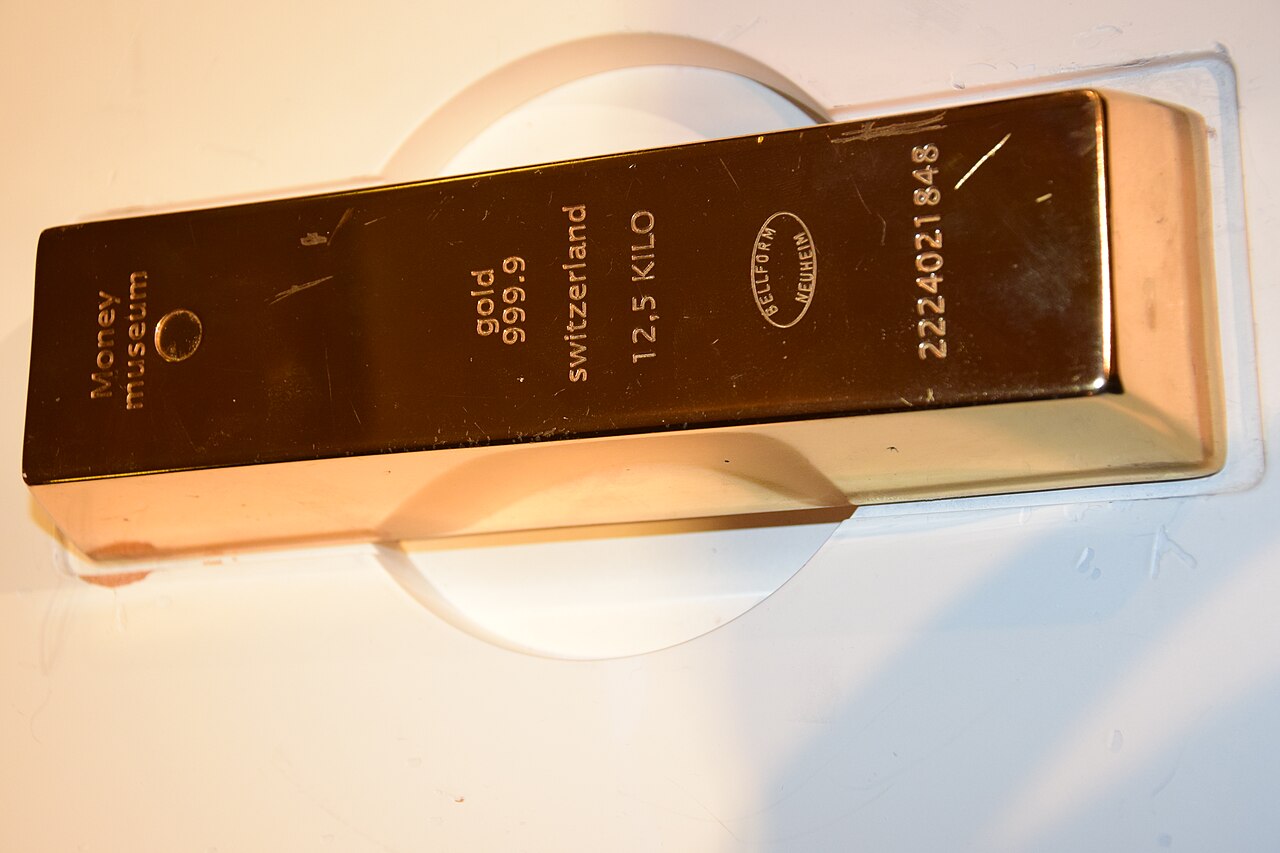
Commodities told a similar story. Gold steadied above record levels, and industrial metals firmed on demand optimism. Crude oil, by contrast, remained range-bound as traders weighed easing demand signals against supply discipline.
Analysts caution that the path ahead is rarely linear. Should inflation prove stickier than expected — or should geopolitical tensions escalate — the same pendulum could swing the other way. For now, however, the market’s message is clear: cheaper money is coming.