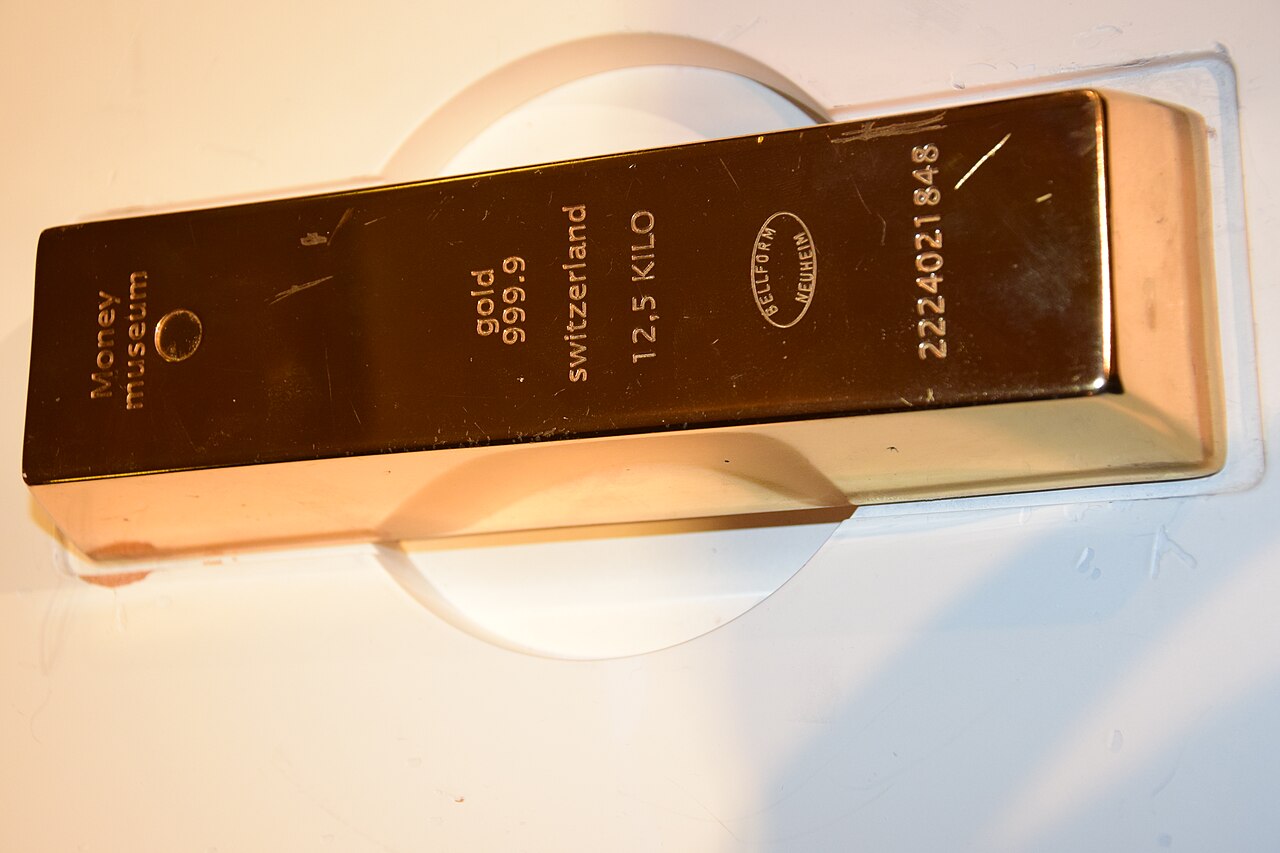
Gold Rises as Oil Drop Trims Rate-Hike Bets, Boosting Haven Demand
Gold prices advanced on Tuesday as declining crude oil values reduced inflation expectations, prompting traders to scale back bets on aggressive Federal Reserve and ECB tightening. The yellow metal climbed 0.4% to $1,945 an ounce, while 10-year Treasury yields slipped, lowering the opportunity cost of holding non-yielding bullion.
Gold Market Impact: Rate Sensitivity & Dollar Correlation
The inverse relationship between gold and real yields reasserted itself as WTI crude fell below $78 a barrel, easing energy-driven CPI pressures. Lower oil prices historically precede disinflationary impulses that allow central banks to pause hiking cycles — a dynamic currently playing out across global bond markets where selloffs are forcing the ECB and Fed to reconsider tightening trajectories. With the dollar index (DXY) retreating 0.3%, gold's appeal as a non-sovereign store of value strengthens, particularly for emerging market reserves diversifying away from USD-denominated assets.
"When oil leads the disinflation charge, it simultaneously compresses term premiums and weakens the dollar — a dual tailwind for gold that few other macro setups provide. The market is pricing a 'soft landing' Goldilocks scenario where growth holds but rate peaks are confirmed."
Mining equities outperformed bullion, with the GDX ETF rising 1.2% as operating leverage amplifies margin expansion when input costs (diesel, power) fall faster than output prices. Meanwhile, emerging market central banks from Brazil to Indonesia gain policy room to cut rates, potentially spurring local gold jewelry demand — the largest physical consumption segment — as consumer purchasing power recovers.
Key Takeaways for Precious Metals Investors
- Monitor the 10-year TIPS yield; a sustained break below 1.8% historically correlates with gold rallies exceeding 8% over the subsequent quarter.
- Watch CFTC managed money positioning — net longs remain 15% below 2020 peaks, suggesting ample capacity for speculative inflows if disinflation persists.
- Expect central bank buying to remain a structural floor; Q2 2024 official sector purchases ran at a 1,000-tonne annualized pace, per World Gold Council data.
- Hedge geopolitical tail risk via long-dated call spreads rather than outright futures, preserving capital efficiency while maintaining asymmetric upside.
Frequently Asked Questions
Will Falling Oil Prices Guarantee a Fed Rate Cut in September?
Lower oil reduces headline inflation but core services remain sticky; the Fed needs broader disinflation evidence across shelter and wages before committing to easing. Markets currently price a 65% probability of a September cut.
How Does a Weaker Dollar Historically Impact Gold Returns?
Since 1971, gold has averaged 14% annualized gains during dollar bear markets (DXY declining >5% over 6 months) versus 2% during dollar bull phases, driven by reserve diversification and emerging market demand elasticity.