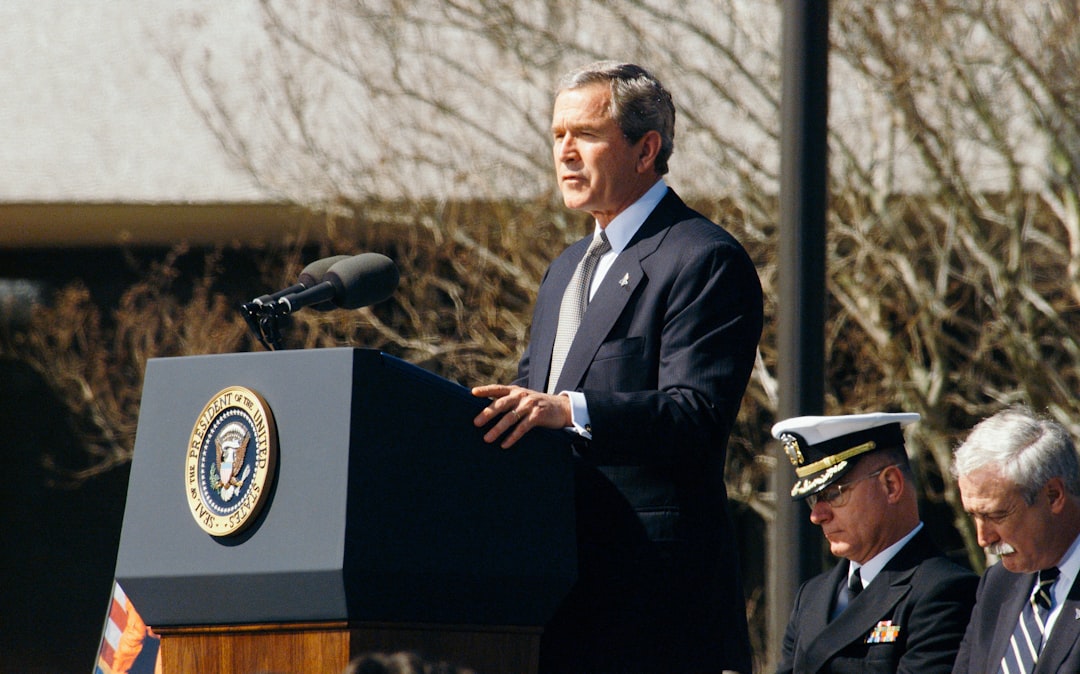
Warsh Sets Hawkish Tone: What It Means for Fed Rate Path and Markets
Federal Reserve leadership has intensified its focus on returning inflation to the 2% target, with Chair Warsh delivering remarks signaling that policymakers are unwilling to declare victory prematurely. The messaging reinforces a hawkish posture at a time when market participants had begun pricing in a more accommodative stance for late 2026. The shift carries immediate consequences for rate-sensitive sectors, the dollar, and global capital flows.
Market Impact & Global Context
The renewed hawkish framing from the Fed has direct read-throughs across multiple asset classes. A more persistent inflation outlook historically translates into longer-duration yields remaining elevated, which pressures equity multiples—particularly in growth and technology sectors where valuations are most sensitive to discount rate changes. The bond market typically reprices first; the 10-year Treasury yield tends to drift higher when a central bank signals it will hold rates restrictive for longer, compressing equity risk premiums and raising the cost of capital for corporate borrowers.
For emerging markets, the implications are equally significant. A hawkish Fed historically strengthens the US dollar through interest rate differentials, tightening financial conditions in dollar-dependent economies. Countries with elevated external debt burdens and current account deficits—such as Turkey, Argentina, and parts of Latin America—face the steepest transmission. In Europe, a stronger dollar weighs on multinational earnings translated from foreign operations, while elevated US yields can pull capital away from eurozone sovereign debt, widening peripheral spreads.
"A credible, inflation-anchored Fed is ultimately bullish for risk assets, but the path back to 2% is rarely painless for sectors that thrived in the zero-rate era," notes a senior macro strategist at a London-based asset manager. "What matters now is not just the destination but the duration. Markets need clarity on how long policy will remain restrictive, and any hint of patience translates into volatility for duration-sensitive assets."
The broader question is whether this stance represents a genuine policy shift or a communications recalibration. Markets had grown accustomed to expecting preemptive easing as disinflation progressed, but central bank credibility requires demonstrating tolerance for short-term economic pain to achieve long-term price stability. This dynamic often produces a "higher for longer" equilibrium in front-end rates, which historically has supported the dollar, gold as an inflation hedge, and defensive equity sectors over speculative growth names.
For a deeper examination of how rate expectations have shifted, see Investors Expect Higher Rates After Fed Chairman's Inflation Pledge.
- Rate Path Signal: Warsh's remarks push back against premature easing expectations, suggesting restrictive policy will persist until inflation convincingly returns to target.
- Equity Sector Impact: Growth and technology sectors face valuation pressure from elevated discount rates; defensive sectors and financials may outperform.
- Currency Dynamics: A hawkish Fed reinforces dollar strength, creating headwinds for emerging markets with dollar-denominated liabilities and European exporters.
- Bond Market Repricing: Front-end yields are likely to remain anchored higher; the 10-year Treasury yield faces upward pressure, tightening financial conditions broadly.
Frequently Asked Questions
What does Warsh's hawkish stance mean for the Fed's next interest rate decision?
A hawkish posture from the Fed chair typically signals that policymakers are prepared to maintain or even increase rates if inflation does not continue trending toward the 2% target. Markets should expect patience rather than preemptive cuts, which keeps borrowing costs elevated for longer than previously anticipated.
How will the Fed's inflation focus affect US stock market sectors?
Higher-for-longer rates generally pressure growth and technology valuations due to their sensitivity to discount rates, while financials, energy, and defensive consumer staples tend to hold up better. The market rotation favors companies with strong cash flows and pricing power over speculative, unprofitable growth names.