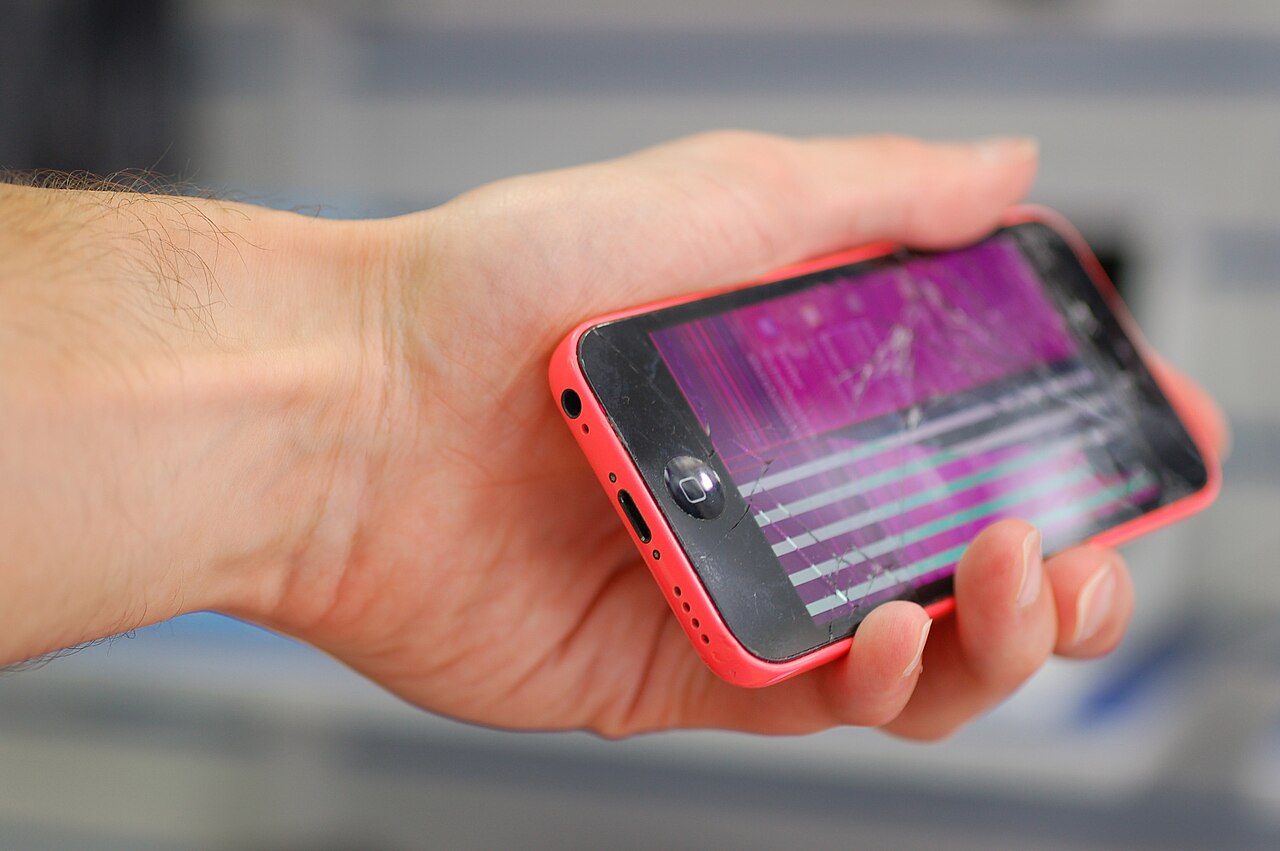
Apple announced a replacement program for iPhone Duo handsets with screen defects, per a BBC report. The move echoes past hardware remediation cycles that pressured component suppliers and tested consumer loyalty, with analysts watching for near-term revenue impact on display and assembly partners globally.
Market Impact & Global Context
Hardware remediation programs historically transmit risk through three channels: immediate warranty cost recognition, supplier order recalibration, and secondary market valuation compression for affected SKUs. The iPhone Duo screen issue — likely involving OLED panel delamination or touch controller faults based on prior patterns — forces display vendors such as Samsung Display and LG Display to absorb yield loss while assembly partners like Foxconn face rework logistics costs.
Unlike software patches, physical replacements require reverse logistics coordination across 100+ countries, amplifying working capital strain. Investors should monitor whether Apple classifies this as a warranty expense (hitting gross margin) or a quality reserve adjustment (below the line), as the distinction signals management's confidence in containment.
"Hardware replacement programs typically create a dual pressure on suppliers: immediate revenue disruption from halted shipments and longer-term qualification scrutiny," said a semiconductor supply chain analyst. "The market will assess whether this is an isolated batch issue or a systemic design flaw requiring panel redesign."
Precedent matters. The 2014 iPhone 6 "Bendgate" and 2017 battery throttling controversy both triggered multi-quarter supplier margin compression, though AAPL shares recovered once remediation scope was quantified. Current macro context differs: elevated inventory across the smartphone supply chain means any demand disruption from consumer hesitation could extend destocking cycles into 2025.
Key Takeaways for Hardware Investors
- Monitor display supplier order flows for near-term revenue revisions as panel allocation shifts to replacement units.
- Assess consumer sentiment metrics for brand loyalty erosion signals, particularly in premium tier upgrade intent surveys.
- Evaluate warranty reserve adequacy in upcoming quarterly filings to gauge management's internal cost estimates.
- Track secondary market pricing for affected device tiers as a real-time proxy for consumer confidence.
Frequently Asked Questions
How Do iPhone Hardware Recalls Historically Impact Apple Stock Performance?
Past hardware issues caused short-term volatility of 3-5% but rarely altered long-term trajectory once remediation costs were quantified. The 2019 iPhone 11 display module replacement program saw AAPL recover within six weeks as supply chain visibility improved.
What Are the Supply Chain Implications for Display Component Manufacturers?
Panel makers face yield loss on allocated replacement inventory while simultaneously ramping next-generation substrates. This dual burden typically compresses gross margins 100-200 basis points for affected quarters, with recovery dependent on new model launch yields.