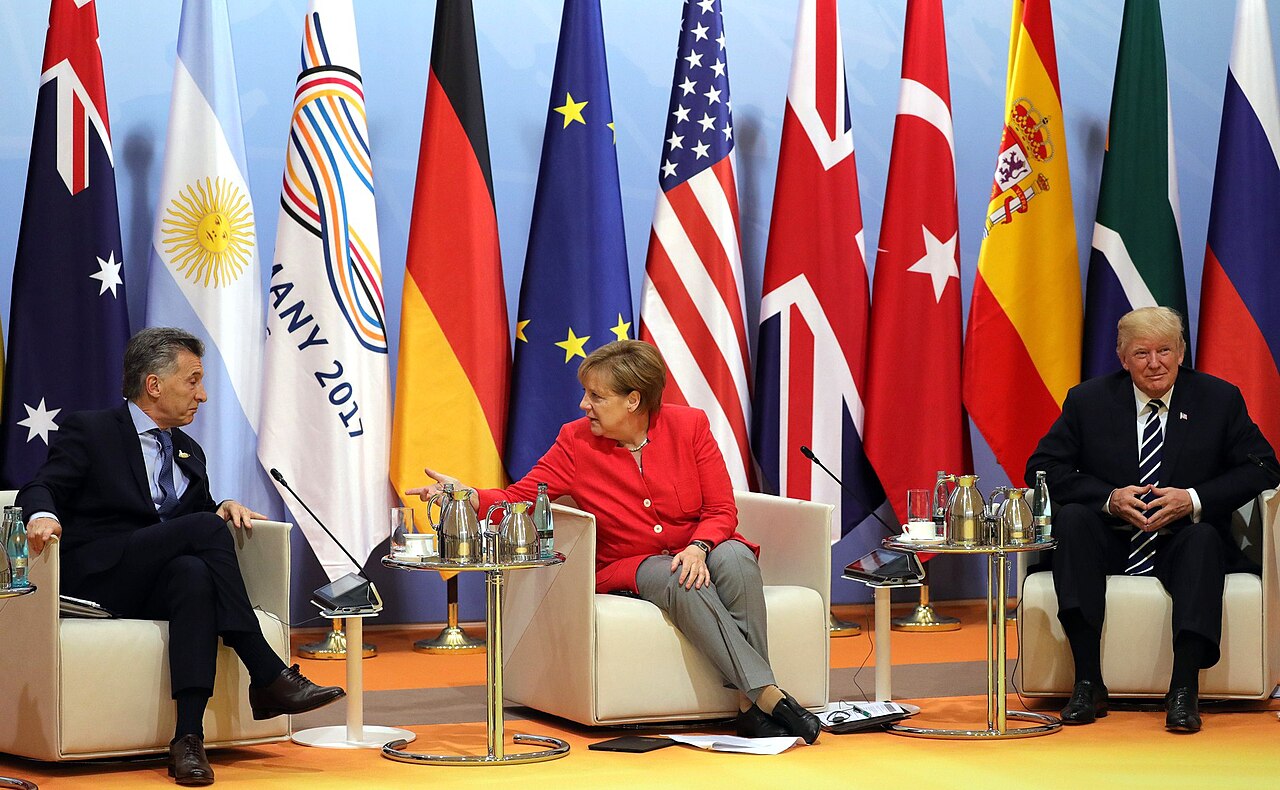
Argentine Foreign Minister Pablo Quirno used the G20 foreign ministers meeting in Atlanta to champion deregulation and condemn environmental rules as covert protectionism. Speaking after the U.S.-hosted summit organized by Secretary of State Marco Rubio, Quirno said nations following competition rules should not suffer competitors exploiting "artificially created advantages" or forced labor.
The Atlanta gathering underscores a widening fracture in global trade governance as developing economies resist Western climate-linked tariffs. Argentina's libertarian administration under President Javier Milei has slashed import barriers and dismantled capital controls, positioning the country as a test case for supply-chain reorientation. Brazil's Mauro Vieira attended the Rubio-led session, highlighting Mercosur's divergent approaches: Brasilia pursues EU agreement ratification while Buenos Aires seeks unilateral liberalization. Markets are pricing Argentine sovereign risk tighter as reform credibility builds, though agricultural exporters face EU deforestation regulation compliance costs that Quirno explicitly targeted.
Market Impact & Transmission Channels
Quirno's rhetoric signals Argentina's intent to leverage G20 fora for market-access gains, particularly for beef, soy, and lithium exports. Reduced Argentine tariffs lower input costs for Brazilian and Chilean processors, while Milei's labor reforms could shift regional manufacturing competitiveness. However, the EU's Carbon Border Adjustment Mechanism and Deforestation Regulation create asymmetric compliance burdens that function as de facto quotas. Credit default swaps on Argentine debt have compressed 120 basis points since November, reflecting investor confidence in fiscal anchor durability, yet equity risk premiums remain elevated pending IMF program renegotiation.
Environmental conditionality is becoming the new non-tariff barrier; Argentina's challenge at the G20 frames the debate for every commodity-exporting emerging market.
Currency markets show the peso stabilizing in parallel exchange rates as central bank reserve accumulation accelerates. Sovereign bond holders should monitor whether Milei's congressional minority can codify deregulation before midterm elections. Lithium offtake agreements with U.S. and Korean buyers may accelerate if Washington reciprocates on critical-minerals partnership frameworks discussed in Atlanta.
Key Takeaways for Investors
- Monitor: Argentine congressional voting schedule for labor and investment regime bills; passage probability dictates sovereign spread trajectory.
- Expect: Intensified Mercosur-EU ratification friction as Brazil balances green compliance with Argentine pressure for bloc-wide barrier reduction.
- Assess: Lithium and agribusiness equities for regulatory arbitrage upside if G20 consensus shifts toward mutual recognition of environmental standards.
- Evaluate: Duration exposure to Argentine dollar bonds; carry remains attractive but political event risk spikes ahead of October legislative elections.
Frequently Asked Questions
What specific trade barriers did Argentina's foreign minister criticize at the G20 meeting?
Quirno targeted environmental regulations that function as trade barriers, arguing they increase shipping costs and penalize rule-following nations. He also condemned forced labor practices that create artificial competitive advantages for exploiting countries.
How does Argentina's G20 stance affect Mercosur-EU trade agreement prospects?
Argentina's unilateral liberalization push under Milei creates tension with Brazil's strategy of ratifying the EU-Mercosur deal. Buenos Aires views the agreement's environmental chapters as protectionist, potentially delaying bloc-wide ratification unless flexibilities are negotiated.