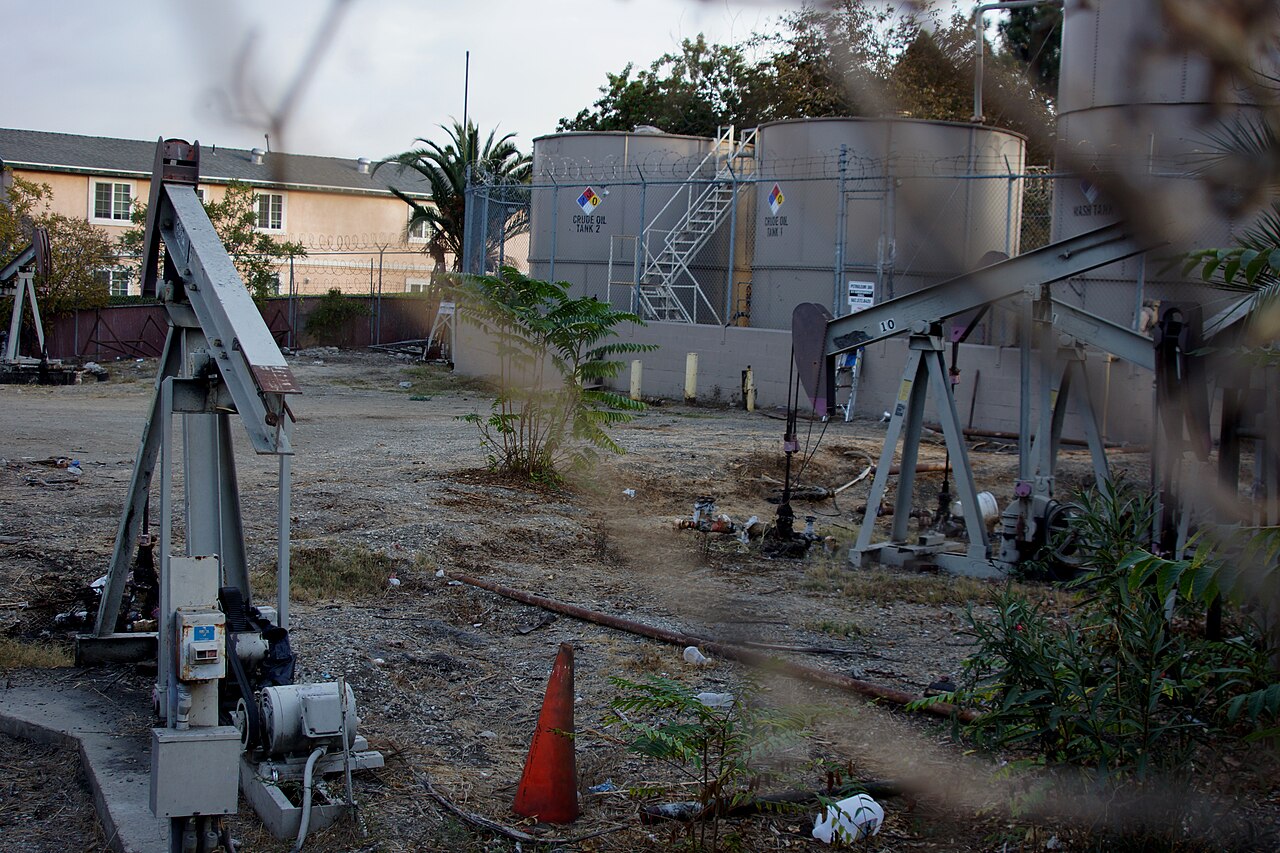
Brent crude surpassed $117 per barrel on Monday for the first time since April as escalating Iran-Israel hostilities injected a fresh geopolitical risk premium into energy markets, threatening to reignite global inflation pressures and complicate major central bank easing cycles.
Brent Crude Market Impact: Energy Sector & Macro Transmission Channels
The breach of $117 Brent represents more than a technical milestone; it signals a structural repricing of geopolitical risk in the world's most critical energy chokepoint. The Strait of Hormuz handles roughly 20% of global oil supply, and any disruption — whether through direct conflict, insurance cost spikes, or preemptive shutdowns — creates immediate physical tightness that financial markets cannot hedge with paper barrels alone.
Energy equities are the primary direct beneficiary. Integrated majors like Shell and TotalEnergies see upstream cash flow expand disproportionately at these price levels, while upstream-focused names offer leveraged beta. However, the transmission to downstream sectors is asymmetric: airlines and petrochemical producers face margin compression that cannot be fully passed through to consumers in a slowing global economy. European industrial gas users, still recovering from the 2022 crisis, face renewed competitiveness erosion versus U.S. peers.
"The market is pricing a probability-weighted supply disruption scenario, not a certainty. But at $117, the option value of Hormuz closure risk is fully embedded — any de-escalation headline could trigger a $10-15 violent snapback as fast-money shorts cover." — Senior Energy Strategist, Global Investment Bank
Macro correlations are shifting. The traditional inverse oil-dollar relationship has weakened as U.S. energy independence alters flow dynamics. Instead, higher oil now correlates with broader commodity strength and emerging market currency pressure, particularly for net importers like India and Turkey. For the Fed and ECB, the timing is precarious: core disinflation progress could stall if energy feeds into services via transport and logistics costs, delaying the cutting cycles markets have aggressively priced for Q4 2024.
OPEC+ spare capacity — currently near 5.5 million bpd — provides a theoretical buffer, but Saudi Arabia's willingness to deploy it depends on whether the group views this as a temporary fear premium or sustained demand destruction. History suggests the kingdom prefers price stability over volume defense when geopolitical volatility dominates.
Key Takeaways for Energy & Macro Investors
- Monitor Strait of Hormuz shipping insurance rates and tanker routing data for early physical disruption signals beyond headline rhetoric.
- Watch U.S. Strategic Petroleum Reserve replenishment policy — any pause in buying removes a price floor the market has counted on since 2022.
- Expect renewed divergence between energy equity free cash flow yield and broader market multiples if prices sustain above $100.
- Hedge portfolio inflation beta via short-duration TIPS breakevens rather than long oil futures, given the asymmetric downside risk on diplomatic de-escalation.
Frequently Asked Questions
Will Higher Oil Prices Force the Fed to Delay Rate Cuts?
The Fed targets core PCE which excludes energy, but persistent headline inflation above 3% risks unanchoring consumer expectations. A sustained $110+ Brent through Q4 would likely push the first cut from December to Q1 2025, per current dot-plot sensitivity.
How Does This Compare to the 2022 Russia-Ukraine Oil Spike?
The 2022 spike was driven by physical supply loss from sanctions; today's move is predominantly risk premium. Inventories are higher, SPR is lower, and OPEC+ cohesion is tested — making the supply response function materially different.