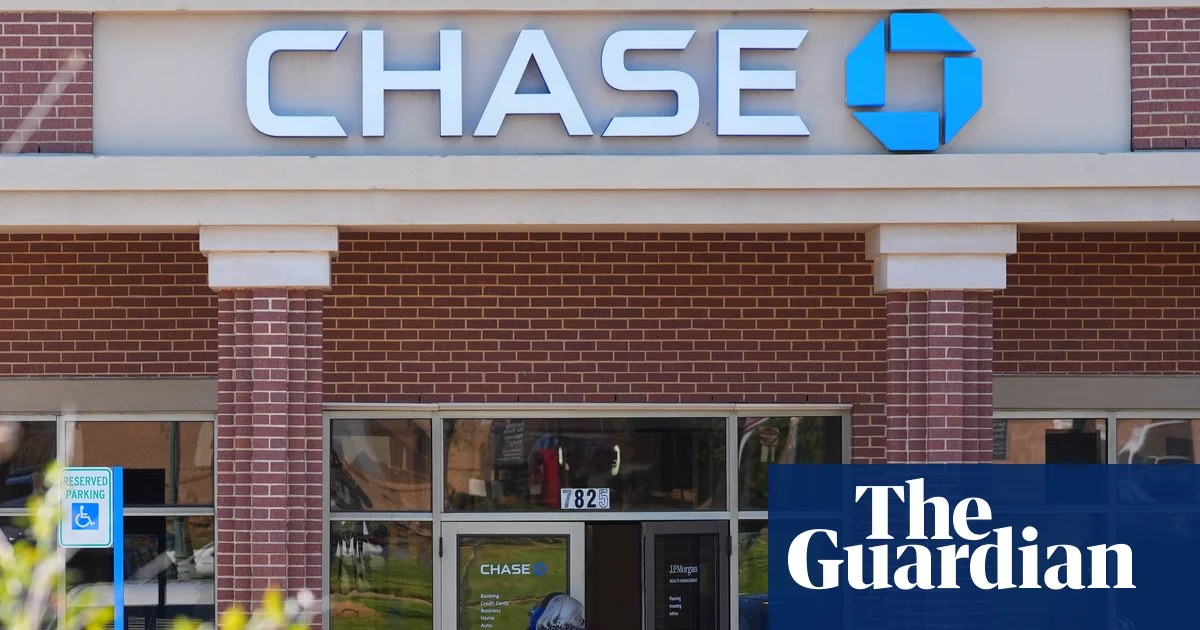
A technical issue at JPMorgan Chase on Monday disrupted online banking services and Zelle peer-to-peer payments for customers at several major US banks, marking the latest in a series of high-profile technology failures across critical US infrastructure.
Key Takeaways
- JPMorgan Chase technical issue disrupted Zelle payments for customers at Bank of America, Wells Fargo, US Bank, and Truist on Monday.
- Chase confirmed the issue was not a cyberattack; customers retained access to accounts and funds.
- Zelle network operator Early Warning Services stated the Zelle network was fully operational; delays stemmed from institution-level processing.
- Outage follows major Microsoft cloud outage (Nov 13-14) and FAA nationwide ground stop (Nov 13), raising systemic resilience concerns.
- Regulators likely to increase focus on operational resilience and concentration risk in instant payment networks.
Executive Intelligence Brief
Chase Issue Triggers Cross-Bank Payment Delays
Customers reported service outages and difficulty accessing online accounts at Bank of America, Chase, US Bank, Wells Fargo, and Truist on Monday. The disruption centered on Chase customers and customers at other banks attempting to transact with Chase via the Zelle network.
"Due to a technical issue, some transactions are taking longer than usual to complete but customers still have access to their accounts and funds," a Chase spokesperson said. "We are working to resolve this as quickly as possible." Chase explicitly stated the problems were not a systemic issue and were not the result of a cyber-attack.
A spokesman for US Bank said its systems were not directly impacted but that "clients attempting to send or receive Zelle payments with another financial institution may experience transaction delays." Citigroup and Bank of America were reported not to be having issues with their own core banking services, though their customers faced Zelle delays when transacting with Chase counterparties.
Zelle Network Operational, Institution-Level Delays Persist
Zelle, owned by Early Warning Services (EWS) — a consortium owned by Bank of America, Capital One, JPMorgan Chase, PNC Bank, Truist, US Bank, and Wells Fargo — confirmed its network was fully operational.
"An issue at the financial institutions may be delaying Zelle payments for some of their customers," an EWS spokesperson said. The architecture of Zelle, which relies on participating institutions' individual rails to settle near-instant transfers, means a processing bottleneck at one major participant can create the appearance of a network-wide outage for counterparties.
Cluster of Critical Infrastructure Failures
The banking disruption follows two major unrelated infrastructure failures last week. A Microsoft outage beginning Thursday crippled Outlook, Teams, and Copilot globally into Friday, affecting hospitals, courts, governments, and banks. Microsoft attributed the blackout to a combination of a months-old bug, malfunctioning internal connections, and server capacity, not a cybersecurity breach.
Separately, on Friday, ageing telecommunications equipment led to a temporary nationwide ground stop of all US commercial flights. Transportation Secretary Sean Duffy said a contractor switching copper lines to fiber installed a router that "started flooding other routers in our air traffic control system." The FAA is investigating whether the cause was contractor incompetence or faulty hardware.
Regulatory Scrutiny and Operational Resilience Focus
While no regulatory action has been announced, the cluster of failures — payments, cloud productivity, and aviation — within a single week will likely intensify scrutiny from the Office of the Comptroller of the Currency (OCC), Federal Reserve, and Cybersecurity and Infrastructure Security Agency (CISA) on operational resilience and third-party risk management.
For banks, the episode underscores the concentration risk inherent in the Zelle consortium model, where the operational health of the largest participants dictates system-wide reliability for instant payments.