China dismissed the prospect of new U.S. tariffs as 'political maneuvering' and urged preservation of the trade truce, while a global rout in technology shares accelerated amid growing skepticism over artificial intelligence valuations. Nvidia Chief Executive Jensen Huang separately apologized to employees following his brief removal and reinstatement as CEO.
Key Takeaways
- China labeled prospective U.S. tariffs 'political maneuvering' and called for preserving the trade truce
- Global technology selloff accelerating with no clear catalyst to stem AI valuation reassessment
- Nvidia CEO Jensen Huang apologized to staff after brief ouster and reinstatement, citing daily therapy
- Semiconductor supply chains face renewed disruption risk if tariffs are implemented
- No verified financial figures, tariff specifics, or market metrics available in current reporting
Executive Intelligence Brief
China-U.S. Trade Tensions Resurface
Beijing's characterization of potential new tariffs as 'political maneuvering' signals a hardening rhetorical stance ahead of any formal policy announcement. The language suggests Chinese officials view the tariff threat as leverage in broader strategic negotiations rather than a purely economic measure. No specific tariff rates, product categories, or implementation timelines were disclosed in the available reporting.
The reference to maintaining a 'trade truce' implies an existing de-escalation framework that new tariffs would violate. Previous U.S.-China trade agreements have included purchase commitments, intellectual property provisions, and tariff rollback schedules — all of which would be jeopardized by unilateral escalation.
Global Technology Selloff Intensifies
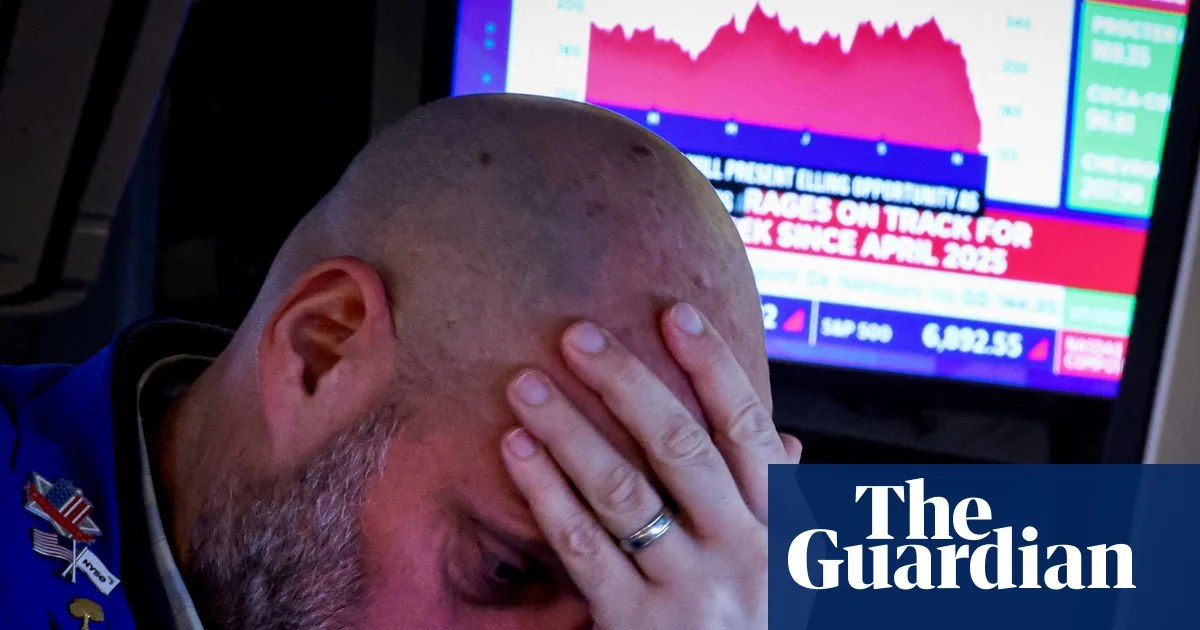
A broad-based decline in technology equities is showing 'no sign of letting up' as investors reassess the artificial intelligence investment thesis that has driven outsized gains across semiconductor, cloud infrastructure, and software sectors. The selloff has gone global, affecting markets beyond the United States.
Market participants are questioning the durability of AI-driven revenue growth, the timeline for return on massive capital expenditures, and the competitive dynamics among model providers and infrastructure vendors. The absence of a stabilizing catalyst — including a noted failure of a major AI initial public offering to stem losses — suggests sentiment-driven de-risking rather than fundamental repricing alone.
Nvidia Leadership Turbulence
Jensen Huang struck a somber tone in an all-hands meeting one day after his reinstatement as chief executive, apologizing to employees for the behavior that led to his brief ouster. Huang disclosed he had been in daily therapy to address the conduct in question.
The episode introduces governance uncertainty at the world's most valuable semiconductor company and primary beneficiary of AI infrastructure spending. The board's decision to reinstate Huang rapidly suggests confidence in his strategic leadership, but the public acknowledgment of personal conduct issues is unusual for a CEO of his prominence.
Transmission Channels and Sector Exposure
Semiconductor supply chains remain the primary transmission channel for tariff escalation. China represents both a major end-market for advanced chips and a critical node in assembly and testing operations. Tariff increases would raise costs for U.S. design houses and potentially accelerate Chinese domestic substitution efforts.
The tech selloff's breadth — spanning semiconductors, software, and cloud providers — indicates systemic risk-off behavior rather than company-specific fundamentals. Valuation multiples compressed across the sector as growth duration assumptions shorten.
Forward Outlook and Monitoring Points
Three developments warrant close monitoring: first, any formal U.S. trade action specifying tariff rates and covered goods; second, Nvidia's next earnings report and guidance for data center demand; third, weekly fund flow data for evidence of institutional capitulation or selective buying in beaten-down AI names.