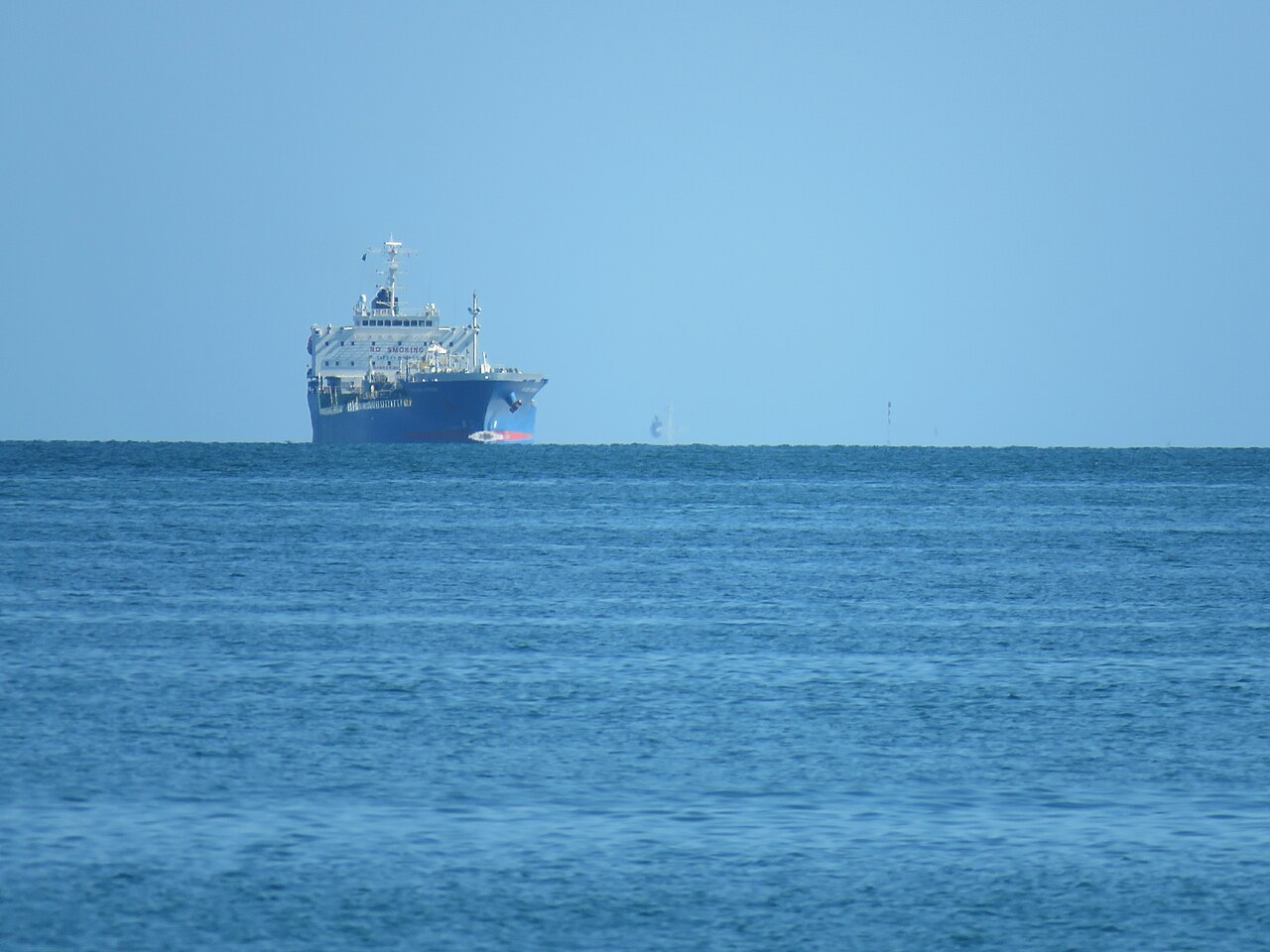
Chinese refiners are increasing purchases of African and Brazilian crude oil as plunging freight rates make long-haul shipments economically viable, Bloomberg reported on October 28, 2026. The shift reshapes global trade flows, pressuring Middle East benchmarks and signaling structural changes in tanker demand patterns.
China Crude Sourcing Shift: Market Impact & Global Context
The collapse in very large crude carrier (VLCC) rates — down roughly 40% from mid-2026 peaks — has upended the traditional freight economics that favored Middle Eastern barrels for Asian buyers. With round-trip voyage costs from West Africa and Brazil to China now competitive with Arabian Gulf routes, independent "teapot" refiners and state-owned majors alike are diversifying feedstock slates toward Atlantic Basin grades such as Angolan Girassol, Nigerian Qua Iboe, and Brazilian Tupi.
This reorientation carries profound implications for regional crude differentials. Middle Eastern benchmarks — Dubai, Oman, and Murban — have weakened relative to Dated Brent as Chinese demand diverts, narrowing the East-West spread that has underpinned OPEC+ pricing power. Simultaneously, West African and Brazilian differentials have firmed, reflecting genuine pull from the world's largest importer rather than speculative positioning.
"The freight arbitrage window opening for Atlantic Basin crude into China is not a temporary dislocation — it reflects a structural surplus in VLCC capacity that will persist through 2027. Refiners are rationally optimizing feedstock costs, and OPEC+ will face mounting pressure to defend market share through official selling price cuts rather than volume restraint alone." — Senior Crude Analyst, Global Energy Advisory
Tanker market dynamics reinforce the trend. The VLCC orderbook remains elevated at 12% of the active fleet, ensuring capacity growth outpaces oil demand expansion. Ballast bonus economics now favor positioning vessels in the Atlantic for China-bound voyages, creating a self-reinforcing loop that could permanently alter baseline freight assumptions used in term contract negotiations.
Geopolitically, the shift reduces China's reliance on Strait of Hormuz chokepoint transit at a time of elevated Middle East tensions. Diversification across African and Brazilian supply also aligns with Beijing's energy security doctrine, which prioritizes multi-source redundancy over single-region dependence — a lesson reinforced by sanctions on Russian and Iranian barrels.
Key Takeaways for Energy Traders & Refinery Analysts
- Monitor the Dubai-Brent exchange of futures for swaps (EFS) spread for signals on whether Middle East producers will cut official selling prices to stem Chinese demand erosion.
- Watch West African and Brazilian crude differentials to Dated Brent; sustained strength above $1.50/bbl premium would confirm structural demand shift rather than opportunistic buying.
- Expect VLCC time-charter equivalent rates to remain below $35,000/day through H1 2027, keeping the Atlantic-to-Asia arbitrage open for medium-sour and light-sweet grades alike.
- Hedge refinery margin exposure via crack spread positions that account for wider crude slate flexibility — Chinese throughput yields are improving as run rates climb above 85% utilization.
Frequently Asked Questions
Will OPEC+ Cut Official Selling Prices to Retain Chinese Market Share?
Saudi Aramco and Abu Dhabi's ADNOC have historically adjusted OSPs monthly to defend placement volumes in Asia. With Chinese independent refiners now price-sensitive across a wider crude basket, OSP reductions of $0.50-$1.00/bbl for January 2027 loadings are probable if Atlantic Basin differentials hold current levels.
How Does This Shift Affect Global Tanker Earnings Forecasts?
Longer voyage distances from West Africa and Brazil to China increase ton-mile demand per barrel by 30-50% versus Middle East routes. This supports VLCC utilization rates even as headline freight rates remain depressed, creating a divergence between spot earnings and asset values that favors owners with modern, scrubber-fitted fleets.