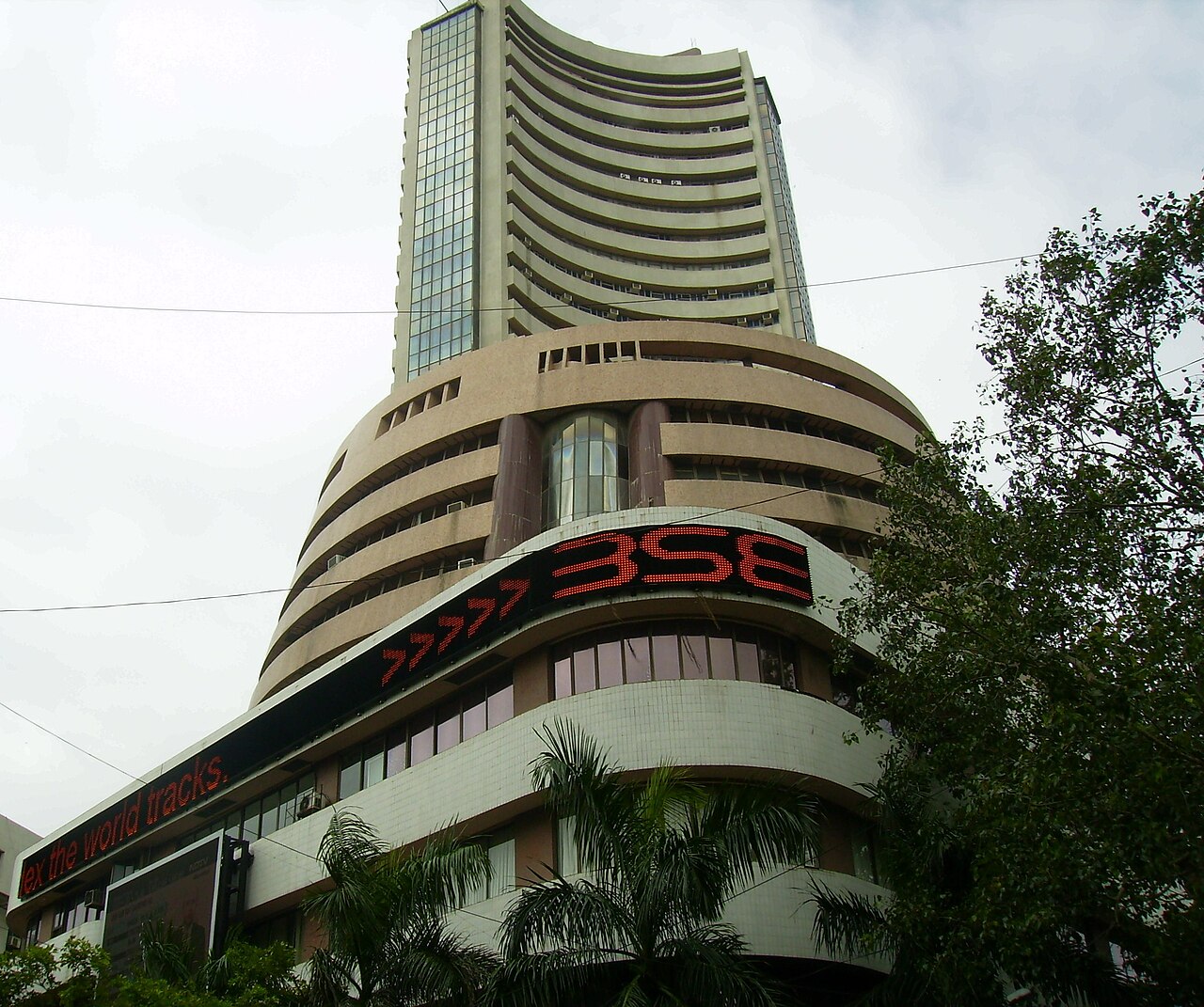
CJP Leaders Detention Triggers Volatility Surge in Indian Stock Markets
Indian police detained Cockroach Janta Party leaders on October 13, 2026, after they breached security gates at Delhi's Jantar Mantar protest site, highlighting persistent political friction that foreign portfolio investors monitor when assessing emerging-market sovereign risk premiums.
Market Impact & Global Context: Political Stability and Capital Flows
While the detention of a minor party's leaders at a designated protest venue does not directly move equity indices or bond yields, it adds a data point to the broader political-risk mosaic that global allocators price into India's risk assets. Foreign institutional investors have historically reduced equity exposure during periods of perceived institutional unpredictability, particularly when protest dynamics intersect with parliamentary sessions or monetary-policy meetings.
"Isolated protest-related detentions rarely trigger immediate capital flight, but they compound the narrative risk that makes emerging-market allocators demand higher risk premiums during already volatile global rate cycles."
India's weight in major EM benchmarks means even marginal shifts in foreign flows can amplify domestic liquidity conditions. The rupee's sensitivity to portfolio flows remains elevated while the Reserve Bank of India manages inflation targeting amid global monetary divergence. Analysts track high-frequency protest data alongside PMI prints and GST collections to gauge whether political noise is translating into economic signal degradation.
Key Takeaways for Emerging-Market Investors
- Monitor high-frequency protest and detention datasets for correlation with foreign portfolio investment turnover spikes.
- Watch rupee implied volatility curves for widening risk-reversal spreads signaling heightened political-risk hedging.
- Assess whether domestic institutional investors absorb foreign selling, a pattern that has stabilized Nifty 50 drawdowns in prior political-noise episodes.
- Evaluate upcoming state-election calendars for concentration risk that could amplify protest dynamics into policy uncertainty.
Frequently Asked Questions
Do Minor Political Protests in India Typically Affect Foreign Portfolio Flows?
Isolated incidents involving minor parties rarely trigger sustained outflows; however, clusters of unrest coinciding with policy events can amplify risk-off sentiment among global allocators who use political-stability indices as portfolio constraints.
How Does Political Risk Factor Into India's Sovereign Credit Assessment?
Rating agencies incorporate institutional quality and social stability into qualitative scorecards; recurring protest-management friction can delay upgrade momentum even when fiscal and external metrics improve.