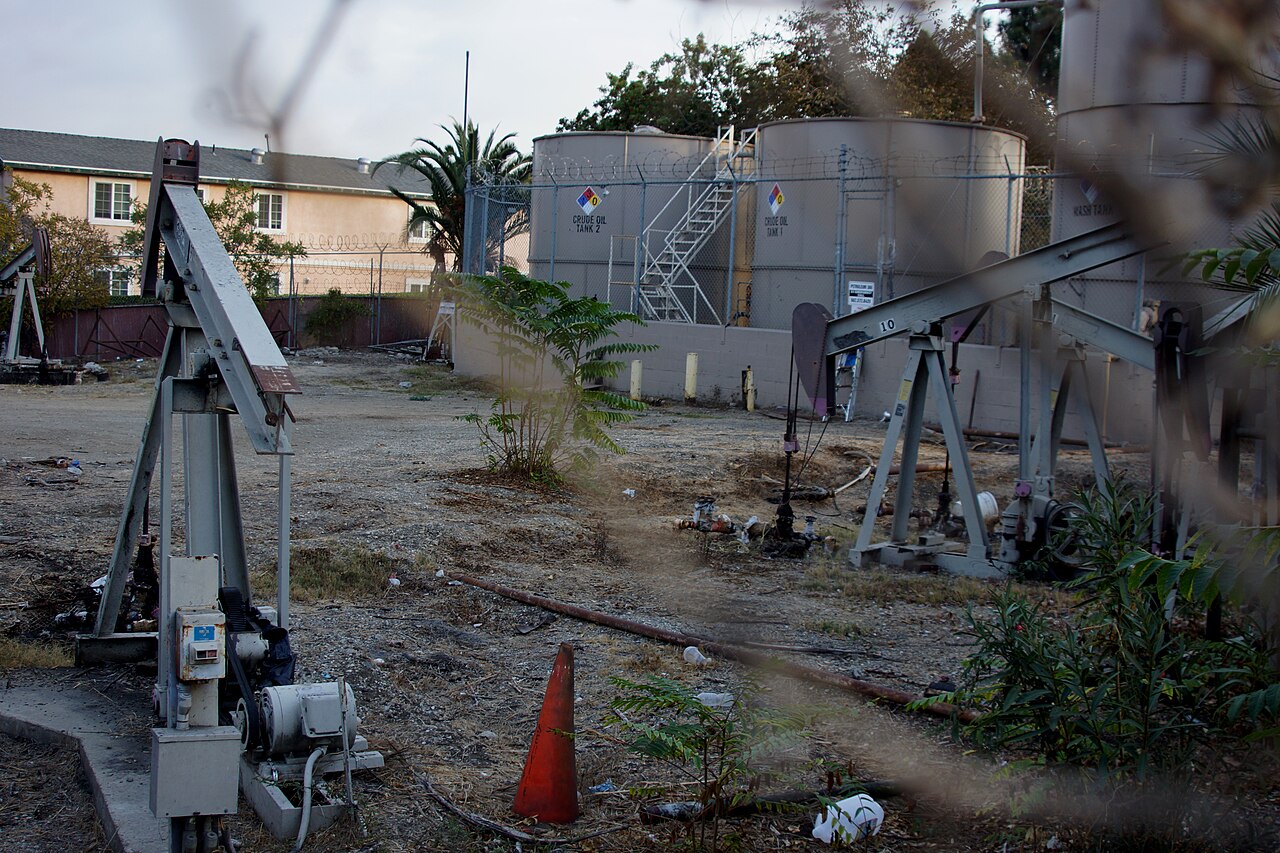
Bloomberg analysts flagged crude oil as the primary market risk for the week of October 28, 2026, citing tightening supply dynamics and geopolitical uncertainty. The warning pressured energy sector equities while lifting haven demand for dollar-denominated commodities amid shifting rate expectations.
Crude Oil Market Impact: Supply Constraints & Macro Transmission
Oil's elevation to "real risk" status reflects a convergence of physical tightness and financial fragility. OPEC+ production discipline has kept global inventories below the five-year average, while sanctions on Russian flows and Red Sea shipping disruptions add a persistent geopolitical premium. Simultaneously, a resilient U.S. dollar and elevated terminal rate expectations increase the carrying cost of long oil positions, compressing crack spreads for refiners.
The transmission channels extend beyond energy equities. Higher crude prices feed directly into headline inflation, complicating central bank easing cycles and pressuring duration-sensitive assets. Emerging market importers face widening current account deficits, while European industrials confront renewed competitiveness erosion. This macro correlation matrix explains why Bloomberg's MLIV segment positions oil as a cross-asset catalyst rather than a sector-specific story.
"When oil becomes the dominant risk vector, it signals that supply-side inflation fears are trumping demand-side recession bets. The market is pricing a scenario where OPEC+ restraint meets non-OPEC supply disappointment, forcing central banks to keep policy restrictive longer than current dot plots suggest."
Notably, commodity correlations are shifting. Gold's traditional inverse relationship with real yields has frayed as central bank buying absorbs supply, a dynamic JPMorgan recently highlighted in its analysis of gold's rate sensitivity after central bank shocks. Oil, by contrast, remains acutely sensitive to growth impulses and dollar liquidity conditions.
Key Takeaways for Energy Sector Investors
- Monitor OPEC+ compliance data and Iraqi/Kurdish export restart timelines for incremental supply signals.
- Watch U.S. Strategic Petroleum Reserve replenishment activity as a price floor indicator.
- Expect elevated volatility in energy equity beta as macro funds hedge duration risk via commodity shorts.
- Hedge downstream margin compression using crack spread futures if crude sustains above $85/bbl.
Frequently Asked Questions
Will Higher Oil Prices Force the Fed to Delay Rate Cuts in 2027?
Persistently elevated crude prices risk re-accelerating headline CPI, which could push the Federal Reserve to maintain restrictive policy longer. However, the Fed targets core PCE, which filters energy volatility, so the reaction function depends on second-round effects in services inflation.
How Does Oil Volatility Impact Renewable Energy Investment Flows?
Sustained high oil prices improve the relative economics of renewables and accelerate energy transition capital allocation. Yet policy uncertainty around IRA implementation and permitting bottlenecks may limit the pass-through to clean energy equity performance.