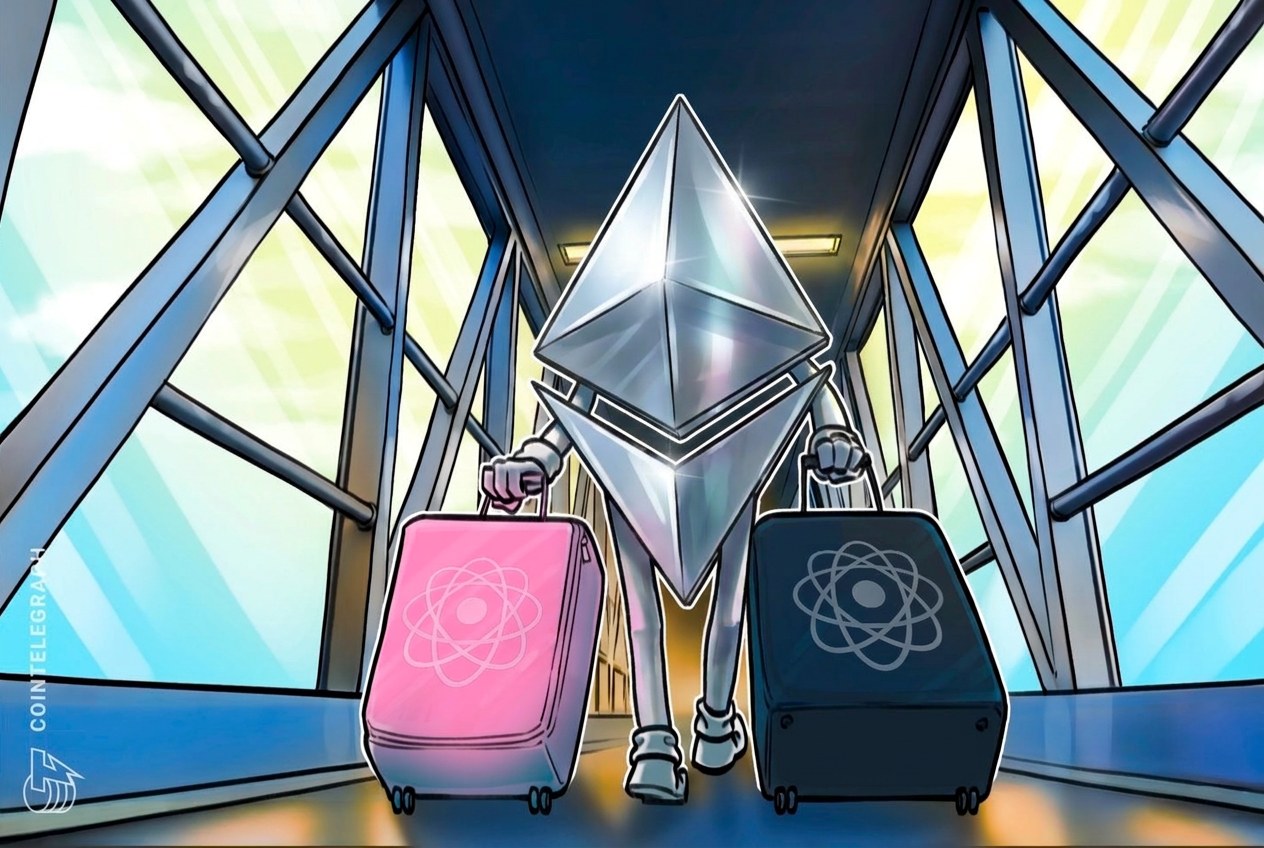
Ethereum Foundation researcher Justin Drake said Tuesday at Devcon 8 in Mumbai that developers are targeting December 2028 to complete the network's post-quantum and post-AI transition, moving the deadline forward by one year from the foundation's official December 2029 roadmap target.
Key Takeaways
- Ethereum researcher Justin Drake targets December 2028 for full post-quantum transition, one year ahead of the official December 2029 roadmap deadline.
- Three network upgrades across execution, consensus, and data layers must be delivered within 24 months; leanVM production readiness targeted for 2027.
- The 2028 target is characterized as a "hope" and does not formally replace the foundation's roadmap, which faces reassessment in January 2027.
- Starknet community is pursuing independent post-quantum L1 research, citing concerns over Ethereum's timeline credibility.
- Quantum resistance migration affects validator signatures, transaction authentication, and consensus — with direct implications for staking economics and smart contract compatibility.
Executive Intelligence Brief
Accelerated Timeline and Technical Requirements
Drake characterized the December 2028 target as the team's "hope" rather than a formal commitment, noting that developers have 24 months to deliver three additional network upgrades spanning Ethereum's execution, consensus, and data layers. The accelerated schedule follows Drake's August outline targeting production-ready leanVM technology in 2027, with post-quantum deployments across all three layers in 2028.
The Ethereum Foundation's September roadmap had established December 2029 as the deadline for achieving quantum resistance. Drake's remarks signal a more ambitious internal timeline but do not formally replace the existing roadmap, which is scheduled for reassessment in January 2027.
Quantum Threat Model and Layer Coverage
The post-quantum transition aims to secure Ethereum against advances in quantum computing that could compromise the elliptic curve cryptography underpinning validator signatures, transaction authentication, and consensus mechanisms. The three-layer approach — execution, consensus, and data — reflects the comprehensive surface area requiring migration to quantum-resistant primitives such as lattice-based or hash-based signatures.
Drake's inclusion of "post-AI" in the transition scope suggests parallel work on cryptographic agility to address potential machine-learning-assisted cryptanalysis, though technical specifics were not detailed in the Devcon remarks.
Competitive Dynamics and Ecosystem Response
The timeline has drawn scrutiny from other blockchain developers. In October, Starknet's community backed research into becoming an independent post-quantum layer-1 network, signaling concern over Ethereum's delivery capacity. StarkWare CEO Eli Ben-Sasson previously told Cointelegraph that Ethereum's 2029 target was "too late," warning that deadlines could slip further.
Starknet's exploration of sovereign quantum resistance highlights a strategic divergence: whether to rely on Ethereum's base-layer upgrades or build independent cryptographic guarantees. This dynamic may influence rollup architecture decisions and liquidity allocation across the modular blockchain stack.
Forward Outlook and Key Milestones
The next formal governance checkpoint is the Ethereum Foundation's roadmap reassessment in January 2027, which will evaluate progress on leanVM and the three required upgrades. Market participants should monitor Ethereum Improvement Proposal (EIP) activity for post-quantum cryptography standards, validator client upgrade coordination, and testnet deployment schedules for the 2028 target.
Uncertainty remains over whether the accelerated timeline will survive the January 2027 review, the specific cryptographic primitives selected, and the economic impact on staking yields and gas costs during the migration window.