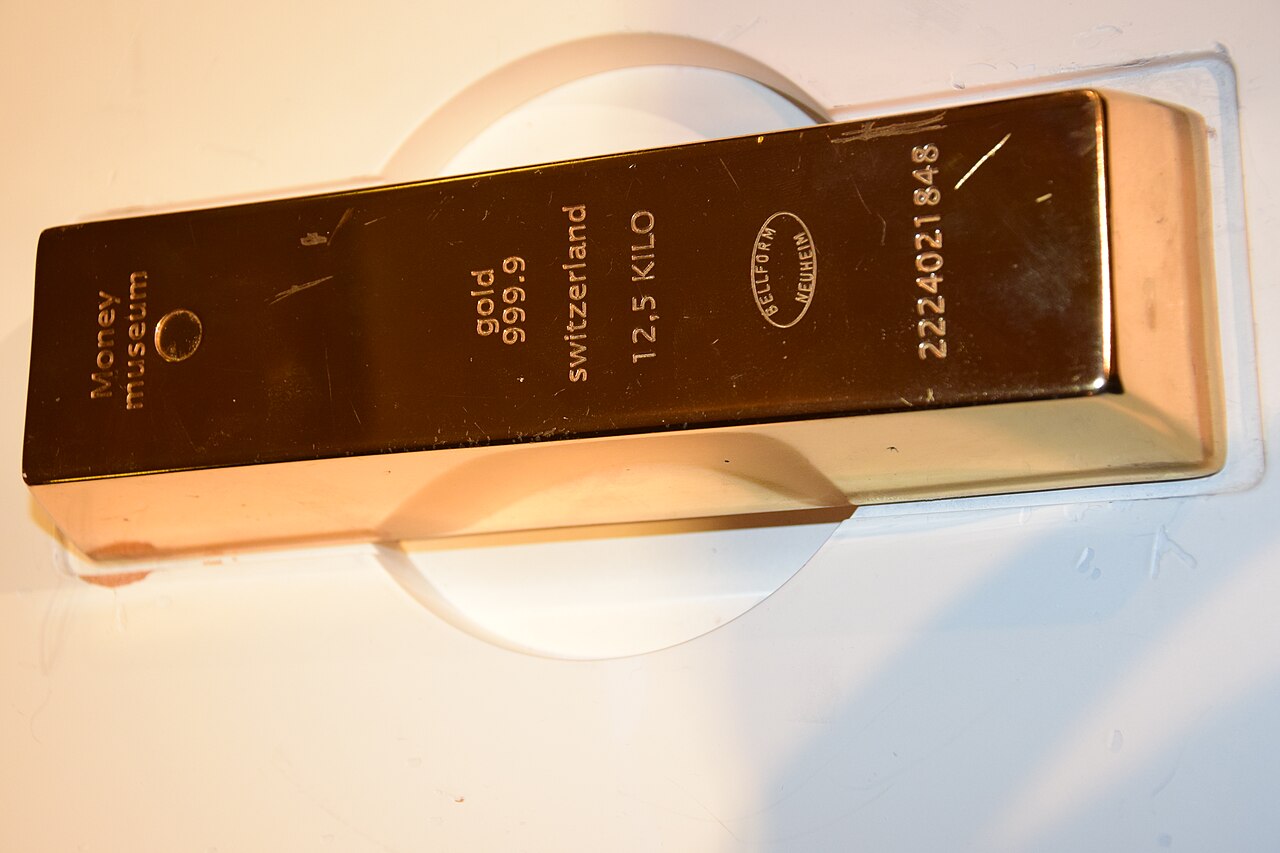
Gold stabilized near $2,750 an ounce on October 21, 2026, as contradictory Iranian diplomatic signals clouded Federal Reserve rate-cut expectations, leaving bullion caught between haven demand and rising real yields that typically pressure non-yielding assets in global markets.
Gold Market Impact: Geopolitics vs. Rate Sensitivity
Bullion's sideways consolidation reflects a tug-of-war between two powerful drivers. Escalating Middle East tensions typically inject a geopolitical risk premium, yet the market's fixation on the Fed's policy trajectory — specifically whether December easing remains viable — keeps real yields elevated. The dollar index hovering above 104 compounds the headwind, as a stronger greenback makes dollar-denominated gold costlier for foreign buyers.
Iran's oscillating rhetoric — alternating between de-escalation hints and nuclear program advancement warnings — creates a binary outcome for rates. A diplomatic breakthrough could accelerate disinflation narratives, supporting rate cuts and gold. Conversely, supply disruption fears would lift oil, reignite inflation bets, and force the Fed to maintain restriction longer. This uncertainty explains why gold hasn't broken decisively above the $2,780 resistance that capped rallies in September.
Transmission channels extend beyond spot prices. Gold ETF holdings have drifted lower for three consecutive weeks, signaling institutional hesitation. Meanwhile, central bank purchasing — led by China and Poland — provides a structural floor near $2,650. The divergence between official sector accumulation and speculative positioning underscores a market awaiting clarity on the terminal rate.
"Gold is currently pricing a coin-flip probability on the Fed's December meeting. Until Iran's intentions crystallize — and with them, the oil-inflation-Fed reaction function — bullion will remain range-bound, vulnerable to violent whipsaws on any headline." — Senior Commodity Strategist, Global Macro Desk
The bond market correlation remains instructive. Ten-year real yields near 2.1% represent a multi-year high, historically consistent with gold $200 lower. The fact that bullion refuses to crack suggests strong physical demand absorbing paper selling. This dynamic mirrors patterns seen during the Trump-tarieven op Canada schudden wereldwijde obligatiemarkten episode, where tariff-driven inflation fears lifted yields yet gold held ground on reserve diversification flows.
Key Takeaways for Gold Investors
- Monitor Iran nuclear talks and oil price reaction for directional clues on Fed policy odds.
- Watch ten-year TIPS yields; a sustained break below 2.0% would unlock the next gold rally leg.
- Expect elevated implied volatility in gold options as December FOMC approaches — hedge accordingly.
- Hedge dollar exposure via currency-hedged gold vehicles if USD strength persists beyond 105 DXY.
Frequently Asked Questions
Will the Fed Cut Rates in December 2026 Despite Geopolitical Risks?
The Fed's decision hinges on whether Iran-driven oil spikes translate into core inflation persistence. Current market pricing implies a 55% probability of a December cut, down from 75% two weeks ago. A clear de-escalation would likely restore easing expectations.
How Do Central Bank Gold Purchases Affect Price Floors?
Official sector buying has averaged 40 tons monthly in 2026, creating a de facto support zone near $2,650. This structural demand is price-insensitive and driven by reserve diversification away from dollar assets, limiting downside during rate-driven selloffs.