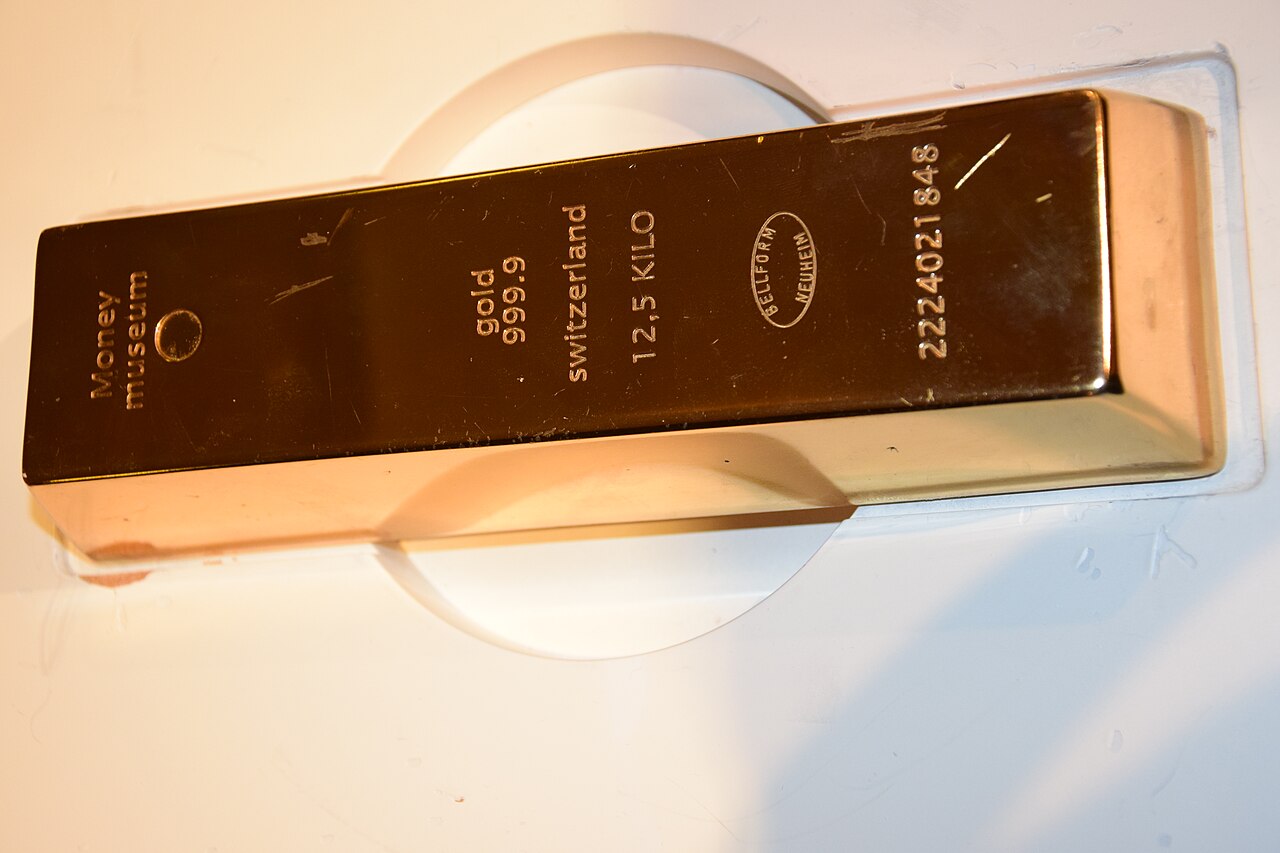
Gold prices retreated on October 21, 2026, as easing Middle East tensions reduced safe-haven demand while traders reassessed Federal Reserve rate-cut expectations, pressuring non-yielding bullion amid rising real yields. The pullback highlights gold's sensitivity to shifting geopolitical risk premiums and real interest rate differentials.
Gold Market Impact: Geopolitical Risk vs Real Rate Dynamics
The latest decline reflects a classic tug-of-war between two primary gold drivers: geopolitical uncertainty and the opportunity cost of holding zero-yield assets. Recent diplomatic signals from the Middle East have dampened the conflict premium that supported prices earlier in the quarter, while U.S. economic resilience keeps the Federal Reserve on a cautious easing trajectory. Higher real yields increase the carrying cost of bullion, making interest-bearing alternatives more attractive.
"The market is recalibrating the geopolitical risk premium embedded in gold after recent diplomatic signals from the Middle East, while the Fed's 'higher for longer' narrative continues to raise the opportunity cost of holding non-yielding assets," said a senior commodity strategist at a global investment bank.
Central bank buying remains a structural floor, yet exchange-traded fund flows have turned negative as institutional allocators rotate toward Treasuries. The dollar index's stability near multi-month highs compounds the headwind, as a stronger greenback makes dollar-denominated gold more expensive for foreign buyers. Historically, periods of simultaneous geopolitical de-escalation and hawkish Fed repricing have produced the sharpest corrections in the yellow metal.
Key Takeaways for Gold Traders
- Monitor Middle East diplomatic developments for any reversal that could reignite safe-haven bids.
- Watch U.S. real yield trajectories; a break above 2% on 10-year TIPS typically accelerates gold liquidation.
- Assess central bank purchase data from the World Gold Council for signs of sustained official-sector support.
- Hedge downside exposure via put spreads if the $2,500 psychological level fails on a weekly close basis.
Frequently Asked Questions
Why Did Gold Prices Fall Amid Middle East Tensions?
Gold declined because recent diplomatic signals reduced the immediate conflict risk premium, while simultaneous repricing of Federal Reserve rate expectations lifted real yields, increasing the opportunity cost of holding non-yielding bullion.
How Do Fed Rate Expectations Influence Gold Valuation?
Higher-for-longer rate expectations raise real yields, which increases the carrying cost of gold relative to interest-bearing assets like Treasuries, typically pressuring gold prices lower unless offset by severe financial instability.