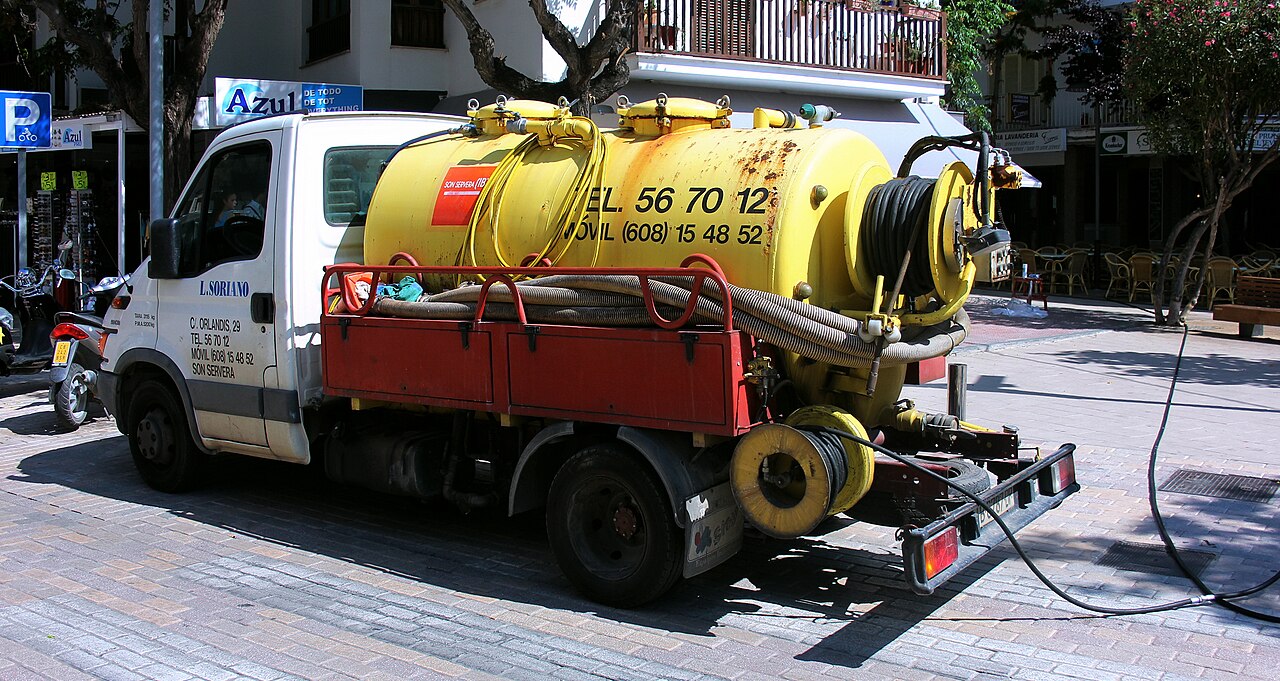
Heating oil prices have more than doubled ahead of the 2024-25 winter season, BBC reports, intensifying cost-of-living pressures across Europe and North America while widening distillate crack spreads that boost refinery margins but signal persistent inflation risk for major central banks.
Heating Oil Market Impact: Eurozone Inflation & Refinery Economics
The unprecedented pre-winter surge in heating oil — a key distillate benchmark — transmits through multiple channels. European households, particularly in Germany and the UK where oil-fired heating remains prevalent, face direct purchasing power erosion. This coincides with ECB rate-cut expectations being recalibrated as energy-driven headline inflation proves stickier than core goods disinflation.
Refiners benefit from widening crack spreads — the margin between crude input and distillate output — with European complex margins climbing above $20/bbl. However, inventory draws in ARA (Amsterdam-Rotterdam-Antwerp) hubs suggest structural tightness rather than transient speculation. Diesel/heating oil swaps curves remain in steep backwardation, signaling immediate physical scarcity.
"The doubling of heating oil costs isn't merely a seasonal spike; it reflects a structural deficit in middle distillate supply exacerbated by Russian sanction rerouting and underinvestment in refining capacity. Central banks cannot ignore the second-round effects on wage negotiations and inflation expectations heading into 2025."
Emerging markets face compounded pressure: higher import bills for distillates coincide with dollar strength driven by Fed policy uncertainty. Brazil's Petrobras, for instance, navigates domestic price controls while importing diesel at elevated cracks — a margin squeeze that ripples through Bovespa energy weightings.
Substitution dynamics are shifting. Natural gas prices at TTF hub have decoupled from oil, limiting fuel-switching relief. Industrial users in chemicals and agriculture — heavy distillate consumers — face input cost inflation that may accelerate deindustrialization trends in energy-intensive EU sectors.
Key Takeaways for Energy Investors
- Monitor ARA gasoil inventory weekly reports for draw acceleration; sustained draws below 5-year average signal prolonged tightness.
- Watch ECB December meeting language on energy-driven headline inflation; any hawkish pivot delays rate cuts and strengthens EUR, pressuring dollar-denominated commodity prices.
- Expect refinery utilization rates to remain elevated through Q1 2025, supporting crack spreads but increasing unplanned outage risk in aging European assets.
- Hedge emerging market energy exposure via currency overlays; distillate import bills in local currency terms amplify fiscal deficits in net-importing EMs.
Frequently Asked Questions
Will Heating Oil Prices Remain Elevated Through Winter 2025?
Forward curves price in persistent backwardation through March 2025, reflecting structural supply deficits from Russian export bans and limited global refining additions. A mild winter could ease peaks but not reverse the fundamental tightness.
How Does Heating Oil Inflation Affect ECB Monetary Policy?
Energy-driven headline inflation above 2% complicates the ECB's disinflation narrative. While core inflation trends down, persistent distillate costs risk de-anchoring medium-term expectations, potentially delaying the terminal rate cut into H2 2025.