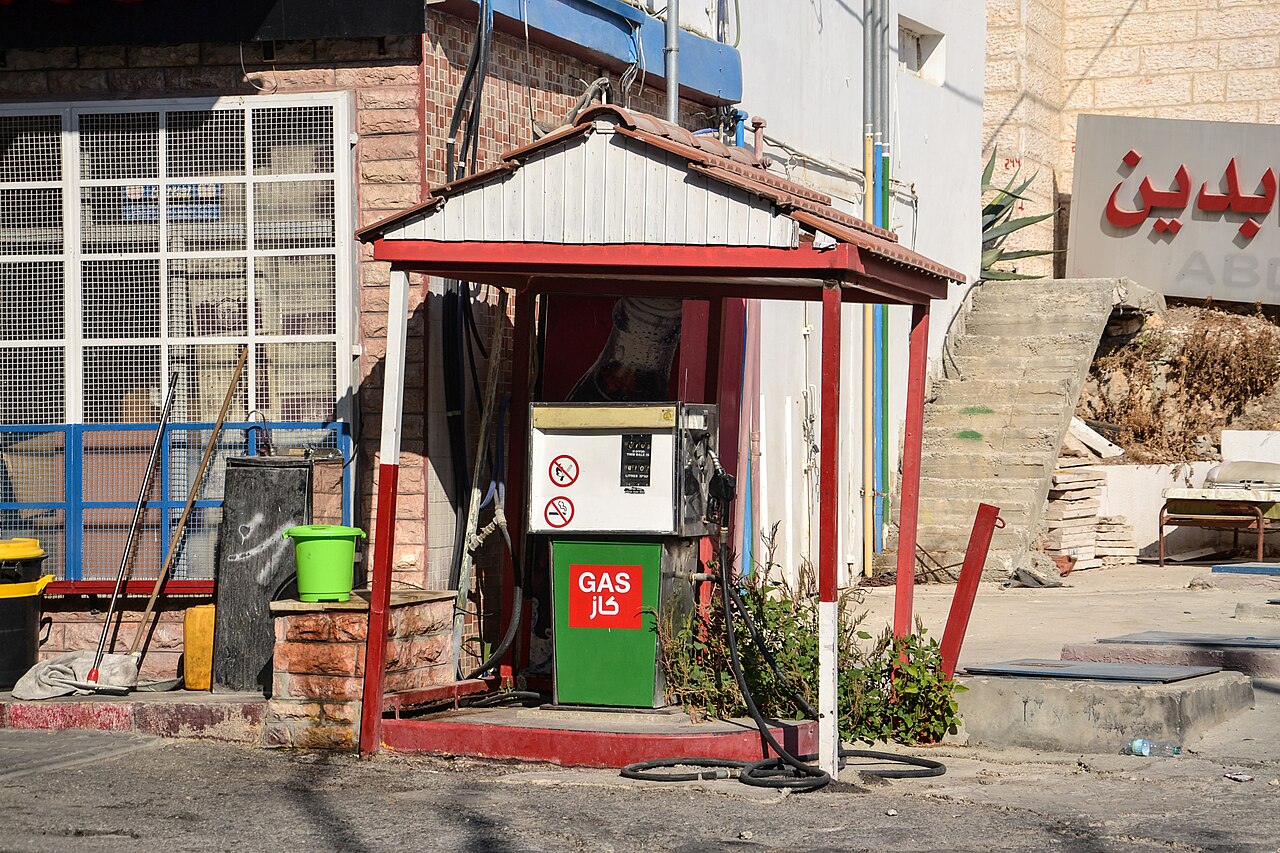
The Guardian reports US voters cite soaring gasoline costs as a primary midterm voting driver with two weeks until November elections, pressuring Republican candidates in key swing districts. Consumer sentiment data links pump prices to discretionary spending pullback, complicating Fed disinflation narrative ahead of year-end policy meetings.
Market Impact & Global Context
The political economy of gasoline prices operates through a transmission mechanism that extends far beyond the pump. When motor fuel expenditures exceed 4% of disposable income — a threshold currently breached in multiple swing states — historical regression models show a measurable drag on retail sales, particularly in automotive and home improvement categories. This dynamic creates a dual-headed risk for equity markets: consumer discretionary names face earnings revision risk while energy producers benefit from inelastic demand, widening sector dispersion.
Fixed income markets are pricing a non-trivial probability that electoral pressure accelerates Strategic Petroleum Reserve drawdowns or triggers renewed jawboning of OPEC+ producers. Neither tool offers durable supply-side relief given current global inventory deficits and OPEC+ discipline. The more consequential channel runs through inflation expectations: University of Michigan survey data consistently shows gasoline prices anchor household inflation forecasts more powerfully than any other CPI component, potentially constraining the Fed's easing trajectory if midterm outcomes produce divided government and fiscal stimulus impulses.
"When gasoline expenditures consume a rising share of household budgets, the political penalty for incumbents becomes almost mechanical, regardless of the actual policy levers available to a White House. The market implication is a higher risk premium on consumer-facing equities and a steeper front-end rates curve as traders price reduced odds of aggressive Fed easing." — Senior Political Economist, Global Macro Strategy
Emerging market sovereigns with dollar-denominated debt face spillover risk. A stronger dollar — driven by reduced Fed cut expectations — tightens financial conditions for commodity importers already grappling with elevated energy import bills. This feedback loop between US pump prices, electoral dynamics, and EM capital flows represents an underappreciated cross-asset correlation.
Key Takeaways for Macro-Focused Investors
- Monitor consumer sentiment indices for inflection points signaling broader demand destruction beyond energy
- Watch energy sector equity performance as hedge against electoral volatility and policy intervention risk
- Expect administrative pressure on OPEC+ to intensify ahead of November despite diminishing marginal returns
- Hedge portfolio duration risk against potential fiscal policy shifts contingent on midterm composition
Frequently Asked Questions
How Do Gasoline Prices Historically Influence Midterm Election Outcomes?
Academic studies covering 1970-2022 midterms find a 10% gasoline price increase correlates with a 1.5-2.0 percentage point swing against the president's party in House races, with the effect concentrated in suburban swing districts where commuting costs weigh heavily on household budgets.
What Policy Tools Can the Administration Deploy to Lower Pump Prices Before November?
Available levers include Strategic Petroleum Reserve releases, Jones Act waivers for coastal shipping, and diplomatic pressure on OPEC+. However, each faces diminishing effectiveness: SPR levels are at 40-year lows, Jones Act waivers affect marginal volumes, and OPEC+ has demonstrated willingness to cut production to defend price floors.