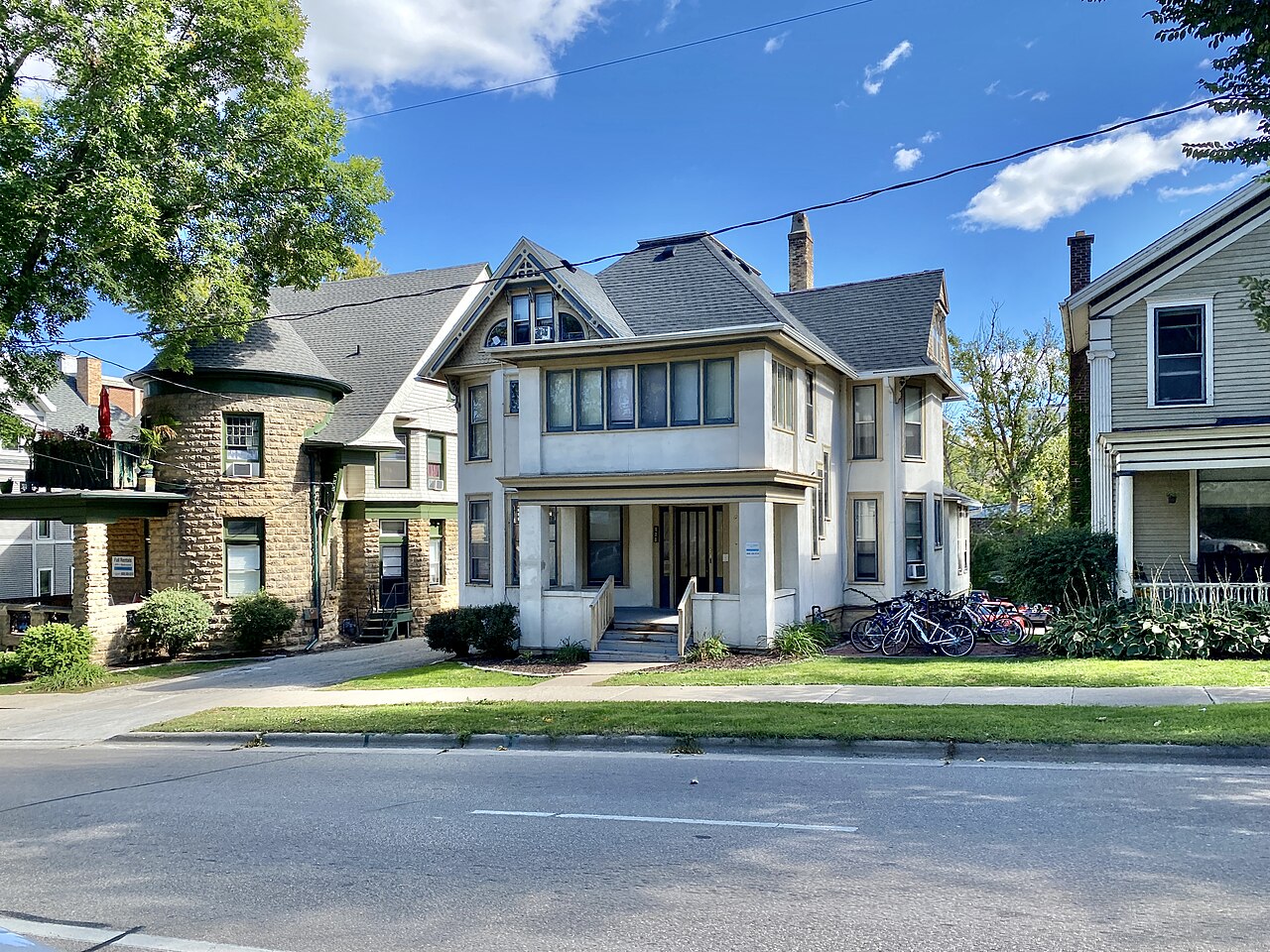
Higher mortgage rates and slowing residential construction are shifting leverage back to landlords as of October 28, 2026, tightening rental supply in major metros and accelerating rent growth, a dynamic that could sustain shelter inflation and complicate Federal Reserve policy easing.
Market Impact & Global Context
The confluence of elevated borrowing costs and a pullback in housing starts creates a classic supply-demand squeeze. With the 30-year fixed mortgage rate hovering near 7%, potential buyers remain sidelined, boosting rental demand just as new apartment completions decelerate. This imbalance directly feeds into shelter costs, the largest component of the Consumer Price Index, keeping core services inflation sticky.
Historical precedent from the early 1980s and the post-GFC period shows that when construction lags household formation by more than 12 months, rent growth outperforms wage growth for multiple quarters. The current gap between permits and household formation suggests landlord pricing power may persist through 2027, supporting net operating income growth for residential REITs but pressuring affordability metrics for low-to-moderate income renters.
"The lock-in effect from existing low-rate mortgages suppresses inventory turnover, while higher rates discourage new development. Landlords face a rare dual tailwind: constrained supply and inelastic demand. This structural shift favors operators with pricing discipline over those chasing volume."
Transmission channels extend beyond shelter CPI. Building material demand, labor markets in construction-heavy regions, and mortgage-backed securities prepayment speeds all reflect this supply-side constraint. Investors should monitor multifamily permit data and vacancy rates in Sun Belt metros for early signals of inflection.
Key Takeaways for Rental Market Investors
- Monitor multifamily housing starts and permit revisions for leading indicators of supply relief.
- Watch shelter CPI contributions to core PCE; sustained above 0.4% monthly may delay rate cuts.
- Expect continued rent growth dispersion, with Sun Belt and secondary markets outperforming coastal gateways.
- Hedge exposure to construction-cost volatility via materials suppliers and labor-intensive subcontractors.
Frequently Asked Questions
Will Higher Mortgage Rates Continue to Suppress Housing Starts Into 2027?
Yes, builder sentiment remains depressed and financing costs for acquisition, development, and construction loans are at cycle highs. Unless rates drop below 6%, starts are unlikely to recover to the 1.5 million annualized pace needed to match household formation.
How Does Landlord Pricing Power Affect Federal Reserve Policy Decisions?
Shelter inflation accounts for roughly one-third of the CPI basket. Persistent rent acceleration keeps core services inflation above the Fed's comfort zone, raising the bar for rate cuts and increasing the probability of a "higher for longer" rate trajectory.