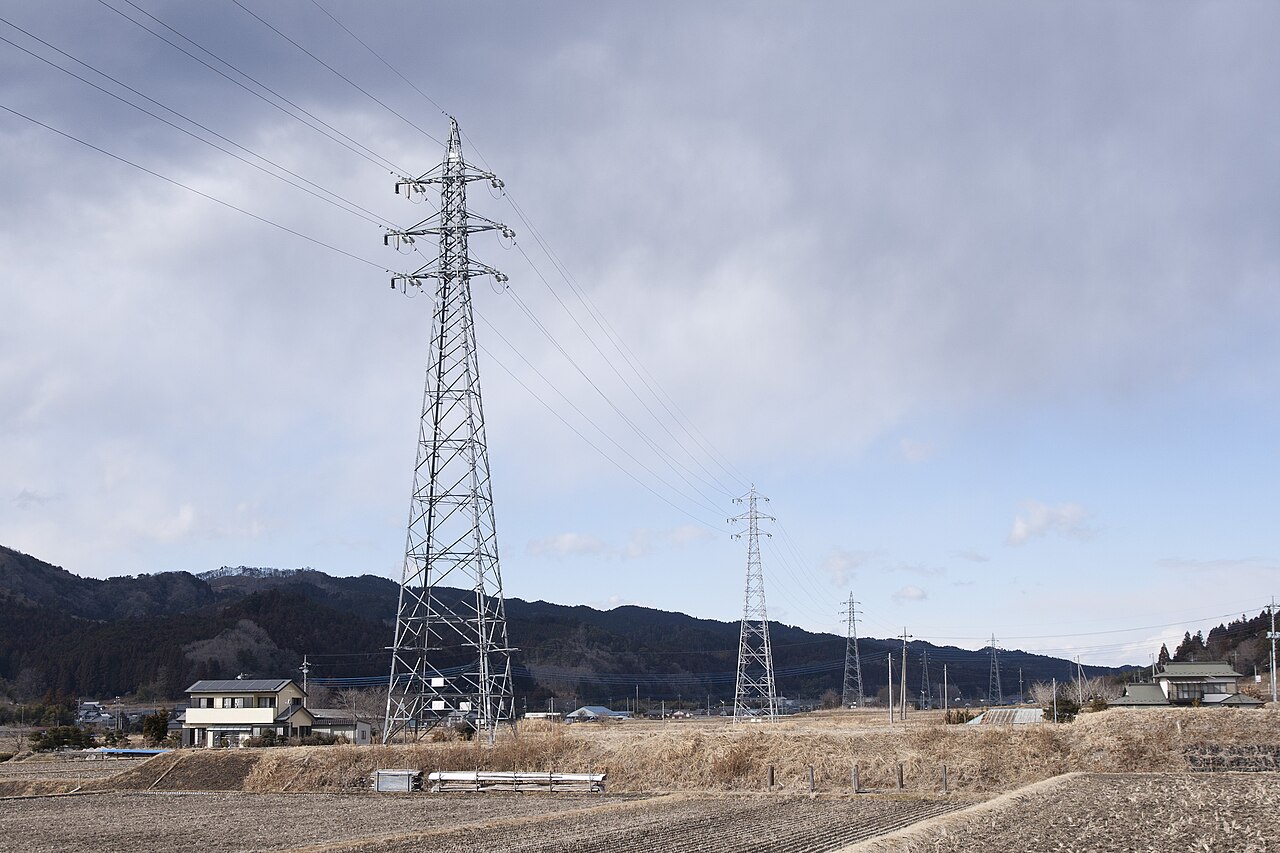
Japan's liberalizing electricity market is attracting unprecedented Wall Street attention as extreme price volatility creates trading opportunities, with hedge funds and commodity houses positioning for structural reforms that could reshape Asia's largest power sector by 2030, Bloomberg reports.
Japan Power Market Impact: LNG Exposure and Liberalization Gains
Japan's wholesale power market, the Japan Electric Power Exchange (JEPX), has seen intraday price swings exceeding ¥20/kWh during seasonal peaks — a volatility profile that mirrors European markets during the 2022 energy crisis. This turbulence stems from the nation's heavy reliance on imported LNG for baseload generation, limited interconnection with neighboring grids, and an accelerating but intermittent renewable buildout. Wall Street firms are now allocating dedicated capital to Japanese power derivatives, betting that ongoing market liberalization — including the gradual unbundling of transmission and generation assets — will deepen liquidity and create arbitrage windows similar to those that emerged in ERCOT and the Nordic markets post-deregulation.
"The Japanese power market is at an inflection point where structural reform meets physical scarcity. Traders who understand both the regulatory roadmap and the LNG supply chain dynamics will capture the alpha — this isn't just a weather trade, it's a market structure trade."
The entry of sophisticated participants could accelerate price discovery and risk transfer, but also introduces correlation risks. As seen in AEX futures declining on oil price spikes driving defensive rotation and DAX futures pressured by oil rallies pushing investors into defensive values, energy volatility transmits rapidly across equity sectors. Japanese utilities with high LNG exposure may see earnings volatility amplify, while independent power producers with contracted renewable portfolios could attract premium valuations.
Key Takeaways for Energy Transition Investors
- Monitor JEPX forward curve development for signals of deepening liquidity and hedging activity by new market entrants.
- Watch the pace of nuclear restart approvals — each reactor returning to service reduces marginal LNG demand and dampens peak volatility.
- Expect increased M&A activity as integrated utilities face pressure to separate regulated networks from merchant generation.
- Hedge LNG price correlation risk in Japanese utility equity positions using JKM futures or proxy hedges in European gas hubs.
Frequently Asked Questions
How Does Japan's Power Market Liberalization Compare to Europe's Experience?
Japan's reform trajectory mirrors early-stage European liberalization but with tighter physical constraints — limited cross-border interconnectors mean price signals cannot be arbitraged away as easily, potentially sustaining higher volatility longer than seen in Northwest Europe.
What Role Will LNG Play in Japanese Power Pricing Through 2030?
LNG will remain the marginal price-setting fuel for at least the next decade given nuclear restart uncertainty and renewable intermittency, making JKM-linked indexing the primary driver of JEPX forward curves.