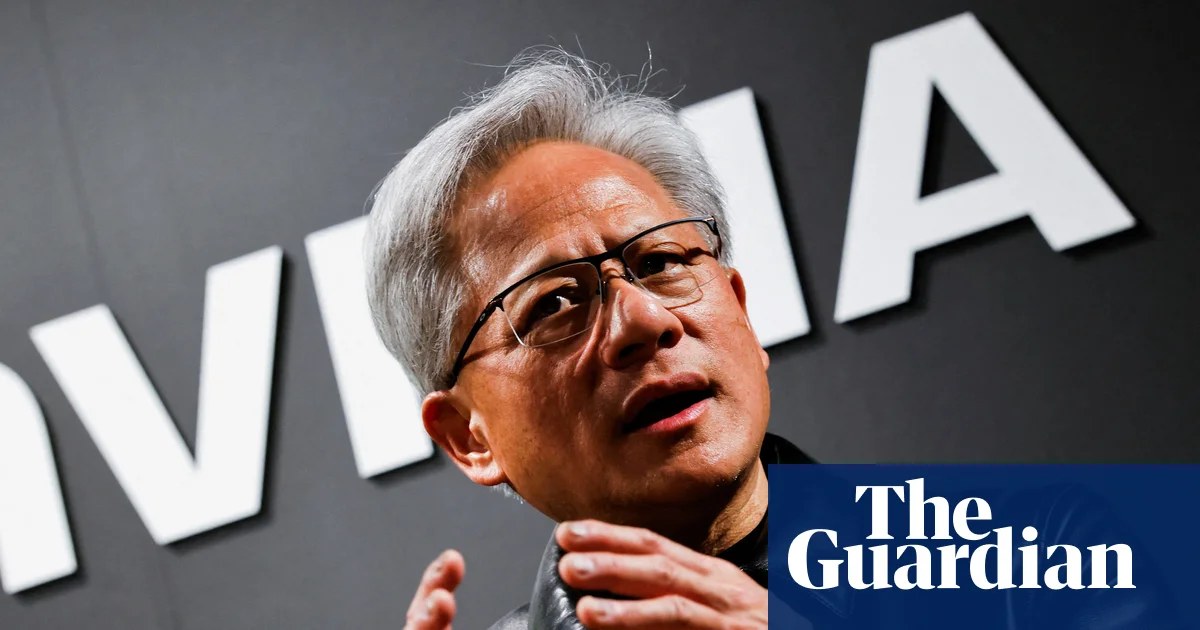
Nvidia founder Jensen Huang said he would be willing to return as chief executive if the board of directors determines it is in the best interest of shareholders, employees, the company, and the United States, according to a statement published Monday in the Wall Street Journal and on CNBC. The declaration comes one week after Huang resigned following disclosures of affairs with Alice Huang, a former executive at Singapore-based datacenter firm Megaspeed who is suspected of working for Chinese intelligence, and with multiple employees who reported to him.
Key Takeaways
- Jensen Huang publicly offered to return as CEO one week after resigning over affairs with an alleged Chinese spy and subordinates.
- Nvidia's board is reportedly not considering reinstatement while conducting an independent investigation into national security implications.
- U.S. Commerce and Justice departments have investigated Megaspeed since 2024 for suspected diversion of advanced AI chips to Chinese firms.
- Nvidia placed Megaspeed on an internal 'no sell' list in June 2025 after a Commerce Department records request.
- Board created a dedicated committee to oversee export controls and national security, signaling structural governance changes.
Executive Intelligence Brief
Resignation Triggered by National Security Investigation
Huang founded Nvidia in 1993 and led the company until his resignation last Thursday. The board announced an independent investigation into the national security implications of his relationship with Alice Huang after he disclosed the affair in an email to employees. Nvidia and Huang initially characterized the connection as a routine customer relationship. The board has also established a dedicated committee to oversee export controls and national security matters.
The U.S. government confirmed Tuesday that the Commerce and Justice departments have been investigating Megaspeed since 2024 on suspicion of diverting advanced U.S. AI chips to Chinese entities in potential violation of export restrictions. Though no official sales restrictions have been imposed on Megaspeed, Nvidia placed the firm on an internal "no sell" list in June 2025 after the Commerce Department requested records of any transactions.
Board Reportedly Not Considering Reinstatement
Despite Huang's public overture, the Financial Times and Wall Street Journal reported that Nvidia's board is not currently considering his reinstatement. The board's investigation into the national security implications remains ongoing. Huang acknowledged in his statement that he "did not live up to the standards expected of everyone at NVIDIA" and committed to cooperating with the independent probe.
Export Control Exposure and Supply Chain Risk
The Megaspeed investigation creates direct regulatory exposure for Nvidia, the primary supplier of advanced AI accelerators subject to stringent U.S. export controls. Any finding that Nvidia facilitated — even inadvertently — the diversion of controlled chips to restricted Chinese entities could result in enforcement actions, license restrictions, or heightened compliance burdens that affect the entire AI infrastructure supply chain. The newly created board committee on exports and national security signals the company is treating the matter as a structural governance issue rather than an isolated personal lapse.
Leadership Vacuum and Market Implications
Huang's statement references an "outpouring of calls" from employees, investors, partners, and customers urging his return as the company navigates "complex technology, market, competitive, and geopolitical dynamics." The absence of a named interim CEO adds to governance uncertainty. Nvidia's shares have faced pressure since the resignation announcement last week, reflecting investor concern over both leadership continuity and potential regulatory fallout.
Forward Outlook: Investigations and Governance
Three parallel tracks will determine the next phase: the board's independent investigation into national security implications; the ongoing DOJ and Commerce Department probe of Megaspeed's alleged diversion activities; and the board's deliberations on permanent leadership. Shareholder litigation has already been filed alleging securities fraud related to the nondisclosure of the relationship and its risks. The timeline for resolution remains unclear, but the board's export oversight committee suggests a sustained focus on compliance architecture.