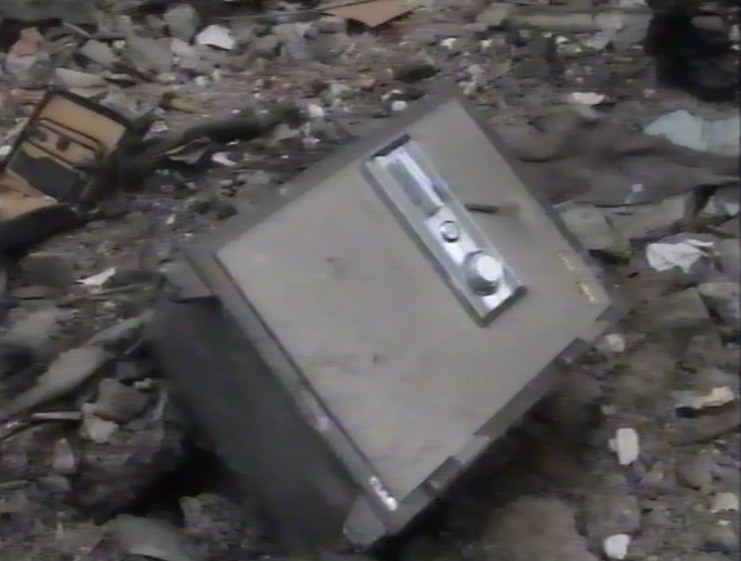
Rescue teams recovered two survivors from a collapsed building in Nairobi on January 15, 2025, while five people remain missing, underscoring persistent structural safety gaps in Kenya's rapid urbanization. The incident amplifies regulatory risk for foreign capital allocated to East African real estate and infrastructure pipelines.
Market Impact & Global Context
Building failures in Nairobi have recurred with alarming frequency, reflecting enforcement lapses in the National Construction Authority's compliance regime. For portfolio managers tracking frontier market infrastructure exposure, each collapse triggers reassessment of sovereign credit contours and private-sector counterparty reliability. Kenya's construction sector contributes roughly 7% of GDP, yet informal practices dominate project delivery, creating asymmetric information for offshore debt holders.
"Recurrent structural failures signal a governance deficit that raises the risk premium on Kenyan infrastructure bonds. Until independent certification becomes mandatory, foreign investors will demand higher yields or shift allocation to markets with stricter building-code enforcement."
Insurance and reinsurance lines covering East African property portfolios face renewed loss-reserve scrutiny. Historical patterns show that clusters of structural collapses correlate with widening spreads on local-currency sovereign issuance, as fiscal contingencies for disaster response crowd out capital expenditure. The Nairobi Securities Exchange construction index has historically underperformed broad benchmarks by 200-300 basis points in the quarter following high-profile collapses.
Key Takeaways for Emerging Market Investors
- Monitor Kenya's parliamentary timeline for the Building Code Amendment Bill, which proposes mandatory third-party structural audits.
- Watch reinsurance treaty renewals in Q2 2025 for exclusion clauses targeting non-compliant Nairobi developments.
- Expect heightened due-diligence costs for greenfield projects as lenders require independent geotechnical verification.
- Hedge currency exposure via offshore forwards if fiscal contingency spending triggers supplementary budget requests.
Frequently Asked Questions
How Do Building Collapses Affect Kenya's Sovereign Credit Rating?
Rating agencies treat recurrent infrastructure failures as a governance indicator. While not an immediate downgrade trigger, persistent safety lapses weigh on the "institutional strength" pillar, potentially delaying positive outlook revisions for Kenya's B+ sovereign ratings.
What Sectors Face Direct Earnings Risk From Nairobi Construction Failures?
Cement producers, steel fabricators, and listed real estate developers with Nairobi exposure face reputational and regulatory headwinds. Banks with concentrated construction loan books may see non-performing loan ratios tick upward if project completions stall pending safety audits.