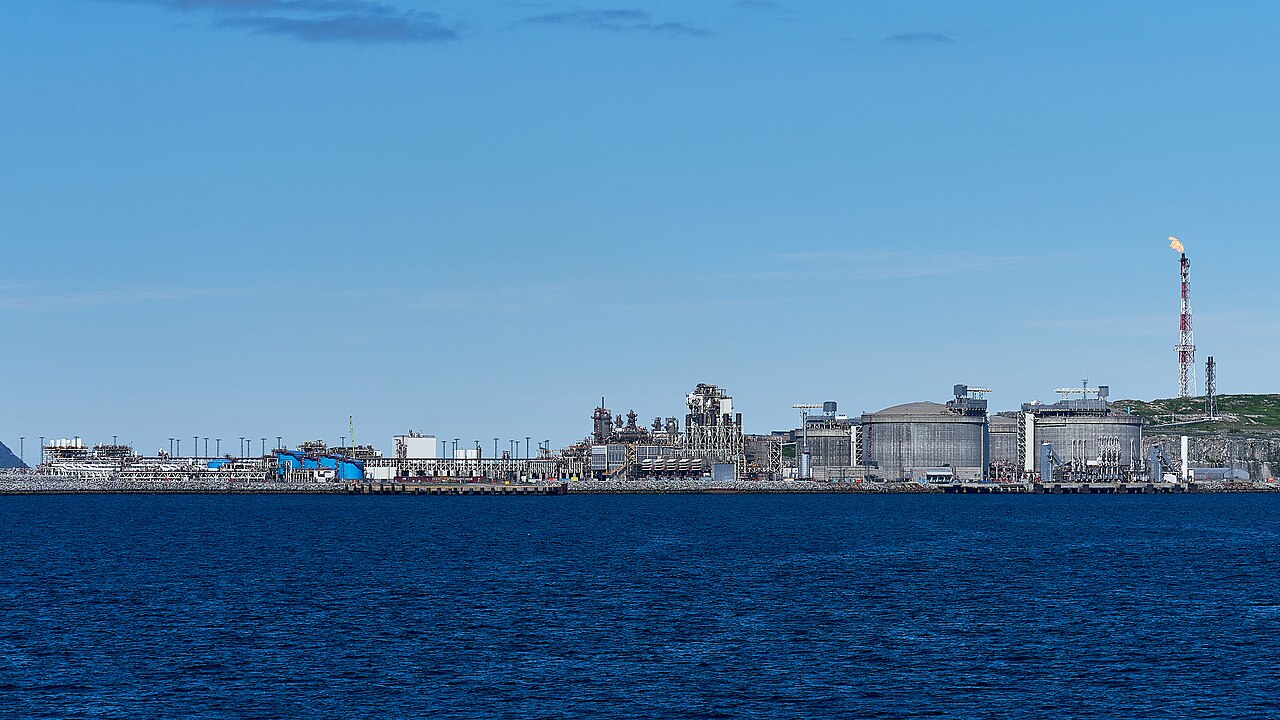
Financial Times reporting reveals a US liquefied natural gas project developer received funding from Russia's Novatek, triggering immediate sanctions compliance scrutiny. The disclosure raises structural questions about Russian capital flows into American energy infrastructure amid tightening Western restrictions on Moscow's energy sector.
Novatek Funding Impact on US LNG Sanctions Compliance
The Financial Times disclosure that a US LNG project developer accepted capital from Novatek — Russia's largest independent gas producer — creates a novel sanctions enforcement test case. Unlike traditional sectoral sanctions targeting specific transactions, this structure implicates beneficial ownership rules under OFAC's 50-percent rule and potentially the Countering America's Adversaries Through Sanctions Act (CAATSA). The developer's identity remains undisclosed, but the funding channel suggests either a deliberate sanctions evasion attempt or a compliance gap in know-your-customer protocols for project finance.
"This isn't merely a bilateral investment review issue — it's a stress test for the entire US project finance ecosystem. If Russian state-linked capital can penetrate LNG infrastructure funding stacks undetected, every midstream asset backed by opaque private equity vehicles faces enhanced due diligence requirements. The market will price in a regulatory risk premium for US energy exports until Treasury issues clarifying guidance."
Market participants should monitor whether this triggers Committee on Foreign Investment in the United States (CFIUS) review expansion beyond traditional national security sectors. The precedent could extend mandatory filing thresholds to energy transition infrastructure where Russian entities hold minority positions through layered holding companies. Cross-border capital flows into North American LNG — already constrained by European demand uncertainty — may face additional friction as limited partners audit general partner exposure to sanctioned jurisdictions.
Geopolitical risk premiums in global gas markets, already elevated by Red Sea shipping disruptions and Middle East supply fears, now incorporate a new vector: regulatory arbitrage risk in the supply chain itself. This differs from traditional price shocks — it's a structural integrity question for the Western energy financial architecture.
Key Takeaways for Energy Infrastructure Investors
- Audit all limited partner exposure in LNG project finance vehicles for indirect Russian beneficial ownership through layered SPVs.
- Monitor OFAC guidance on whether Novatek's non-SDN status (despite sectoral sanctions) permits passive minority investments in US energy projects.
- Expect CFIUS jurisdiction expansion to cover energy transition infrastructure with any Russian nexus, regardless of ownership percentage.
- Hedge regulatory risk premium in North American gas forward curves via options structures pricing in potential project permitting delays.
Frequently Asked Questions
Does Novatek's Investment Violate Current US Sanctions on Russian Energy?
Novatek operates under sectoral sanctions (Directive 4) restricting financing, not a full blocking sanction. However, if Novatek holds 50% or more beneficial ownership indirectly, the entity becomes blocked property under OFAC's 50-percent rule, triggering mandatory divestment.
How Will This Affect US LNG Export Capacity Expansion Timelines?
Projects with undisclosed Russian capital links face potential CFIUS unwind orders or enhanced mitigation agreements, likely delaying FID (Final Investment Decision) by 12-18 months while Treasury completes beneficial ownership verification.