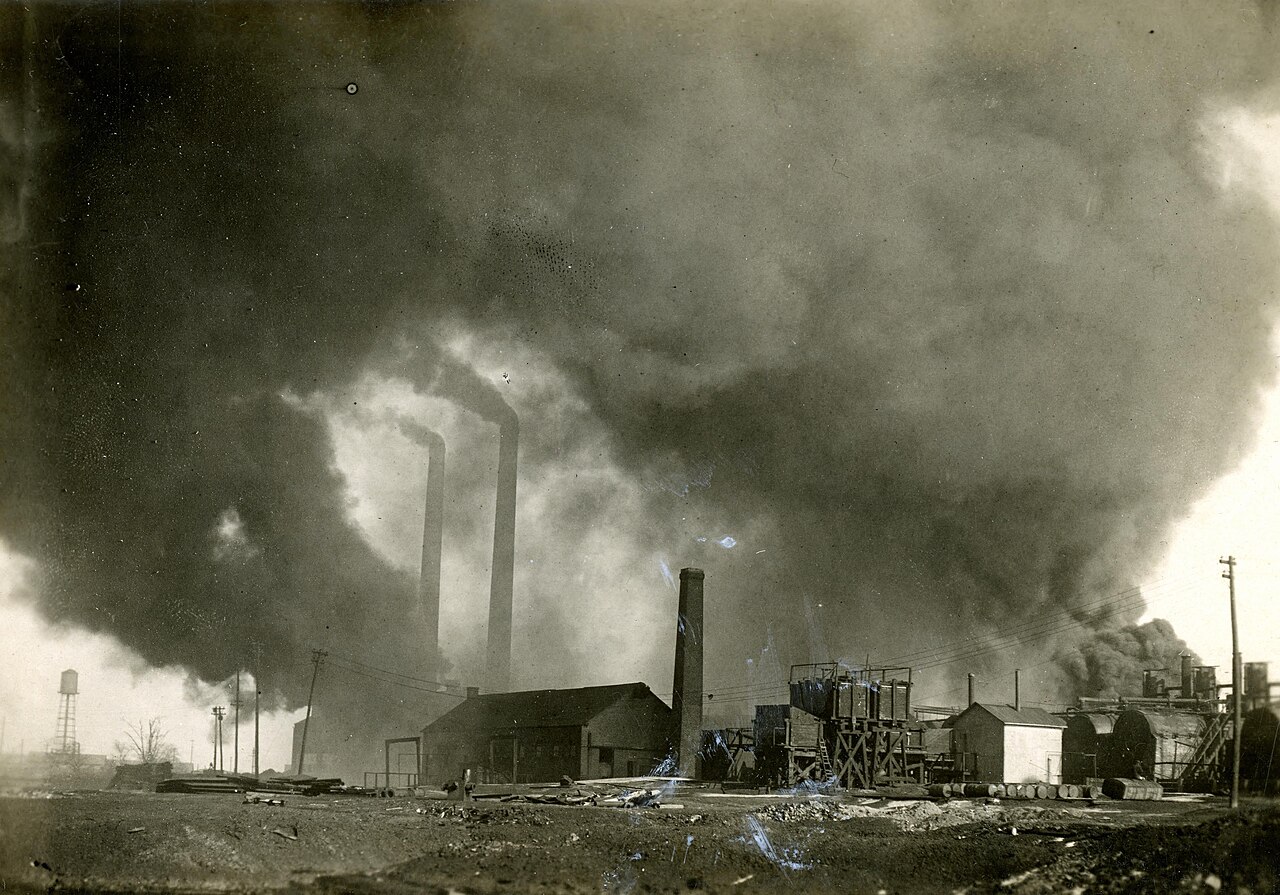
Ukrainian drones struck a major Russian oil terminal in St Petersburg overnight, killing at least one worker and disrupting refined product exports, adding a fresh geopolitical risk premium to Urals crude and European diesel crack spreads as winter demand peaks.
Market Impact & Global Context
The attack on the St Petersburg oil terminal — a critical hub for Russian refined product loadings to global markets — introduces a tangible supply-side shock to an already tight European diesel balance. Urals crude, already trading at a widening discount to Brent due to sanctions enforcement, faces additional logistical friction as export infrastructure degrades. This transmits directly into Northwest European barge cracks, which have rallied sharply in recent sessions on inventory draws.
Historical precedent from 2023–2024 shows that each successful strike on Russian export infrastructure has added $2–4/bbl to the Urals-Brent spread and lifted Rotterdam diesel cracks by 15–25%. The current episode coincides with seasonally peak heating oil demand across the Northern Hemisphere, amplifying the price signal. Traders should monitor whether the disruption forces Russian refiners to cut runs, reducing diesel yield at the margin.
"This attack represents a direct escalation targeting Russia's refined product export capacity, which historically tightens European diesel balances and widens crack spreads. The market is now pricing not just the immediate outage but the cumulative degradation of Russian logistics infrastructure," said a senior energy analyst at a major commodity trading house.
The ripple effect extends to heating oil futures in the US Northeast, where inventory deficits have already driven a 12% futures surge. European buyers competing for replacement barrels from the Middle East and Asia face higher freight costs, reinforcing the backwardation structure in ICE gasoil. Sanctions compliance costs for tankers loading at Baltic ports add a further layer of friction, effectively acting as a hidden tax on Russian barrels.
Key Takeaways for Energy Traders
- Monitor Urals-Brent differential for widening beyond $15/bbl as a signal of sustained export disruption.
- Watch ICE gasoil crack spreads against Brent; a break above $22/bbl suggests structural tightness.
- Expect increased volatility in heating oil futures as European and US markets compete for marginal barrels.
- Hedge refinery margin exposure via crack spread swaps if Russian run cuts materialize in weekly throughput data.
Frequently Asked Questions
How Does the St Petersburg Attack Affect Global Diesel Prices?
The St Petersburg terminal handles a significant share of Russian diesel and gasoil exports to Europe and Turkey. Its disruption reduces available supply in the Atlantic basin, forcing buyers to source from farther afield at higher freight costs, which lifts crack spreads globally.
Will Russian Oil Exports Be Permanently Reduced by Infrastructure Attacks?
While Russia has demonstrated resilience in rerouting crude flows, refined product export infrastructure is harder to replace. Cumulative damage to Baltic and Black Sea terminals risks a structural decline in Russian diesel export capacity through 2025.