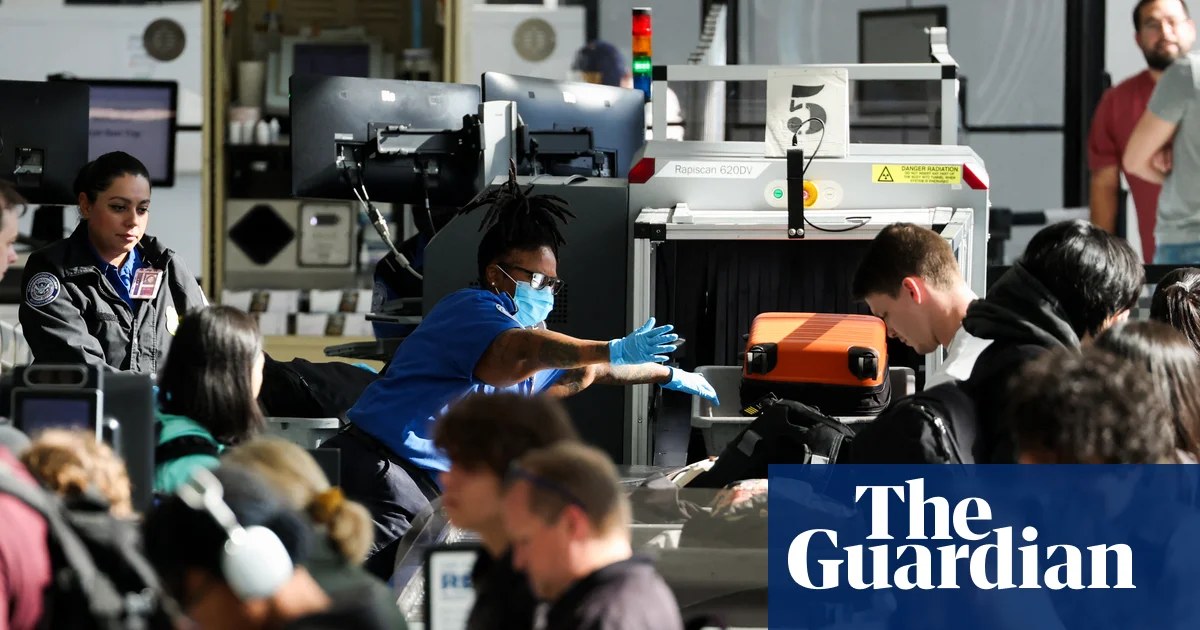
Millions of Americans face Thanksgiving air travel disruption two weeks after the FAA's November 13 nationwide ground stop — the first since 9/11 — cancelled over 18,000 flights at an estimated $1.9 billion cost. With the GAO warning of chronic system failures, travelers must navigate complex refund rules and limited compensation avenues for non-airline expenses.
Key Takeaways
- FAA Nov 13 ground stop cancelled 18,000+ flights at $1.9bn estimated cost — first nationwide halt since 9/11
- US law mandates refunds for cancelled/3hr+ delayed flights only; no federal requirement for hotels/meals/other expenses when FAA is at fault
- Premium credit cards (Chase, Capital One) cover 6-12hr delays; Amex excludes 'equipment failure'; most cardholders unaware of benefits
- Document everything in real-time: screenshot alerts, timestamp delays, retain receipts — critical for all claims
- Structural mitigation: book direct, avoid day-of-event travel, pack essentials in carry-on, carry cash, consider 'cancel for any reason' insurance
Executive Intelligence Brief
FAA Ground Stop Exposes Systemic Fragility
The November 13 FAA ground stop halted all US flights nationwide for the first time since the September 11, 2001 attacks, aside from a brief halt in 2023. Over 18,000 flights were cancelled, stranding travelers who embarked on overnight drives, purchased new cars for business meetings, or simply cancelled plans. Anderson Economic Group estimates the disruption cost travelers $1.9 billion in lost time and related expenses.
A September Government Accountability Office report had warned that the government-run air safety system is 'sprawling, chronically outdated and poorly managed,' predicting more delays and safety incidents. Paul Hudson, president of FlyersRights, stated: 'Air travel in general has gotten much slower and less reliable' than in the 1970s, 1980s, or 1990s. 'This is the new reality... I don't expect it is going to change in any short term way.'
Refund Rights and the Compensation Gap
US law requires airlines to refund the full cost of cancelled or significantly delayed (three hours or more) flights unless passengers accept vouchers or rebooking. However, when disruptions stem from FAA actions — not airline fault — travelers face a compensation void for hotels, rental cars, cruises, and Airbnb bookings. Teresa Murray, consumer watchdog director at US PIRG, noted: 'there really aren't a lot of avenues to get reimbursed for other kinds of expenses.' Airlines sometimes provide meal or hotel vouchers as goodwill, but are not obligated.
Credit Card and Insurance Backstops
Premium credit cards offer a critical but underutilized layer of protection. Christopher Elliott of the Elliot Report advises: 'If I were stuck with a pile of receipts, I'd check my credit card first. A lot of premium cards cover meals and hotels after a delay of six or 12 hours, and most people have no idea they have that coverage.' Coverage varies: Chase and Capital One cover 'equipment failure' delays; American Express does not. Travel insurance 'cancel for any reason' policies provide broader protection but must be purchased in advance.
Documentation and Negotiation Tactics
Ben Farrow, partner at Anderson, Williams and Farrow (LegalShield), emphasizes: 'The most important thing is to document what happens when it happens.' Screenshot cancellation notices, track delay timestamps, and retain all receipts. Elliott recommends asking airlines for 'goodwill vouchers' — 'It doesn't owe you one, but sometimes it'll give you one just to make you go away.' Hotel chains like Marriott may waive fees for valued customers despite no obligation.
Strategic Preparation for Peak Travel
Experts urge structural changes to travel planning. Hudson advises: 'You need to have a Plan B, particularly if your travel is time sensitive.' Farrow warns: 'Don't travel the day of your event.' Booking direct with airlines avoids third-party rebooking complications. Packing essentials in personal items and carrying cash provides operational resilience when digital systems fail.