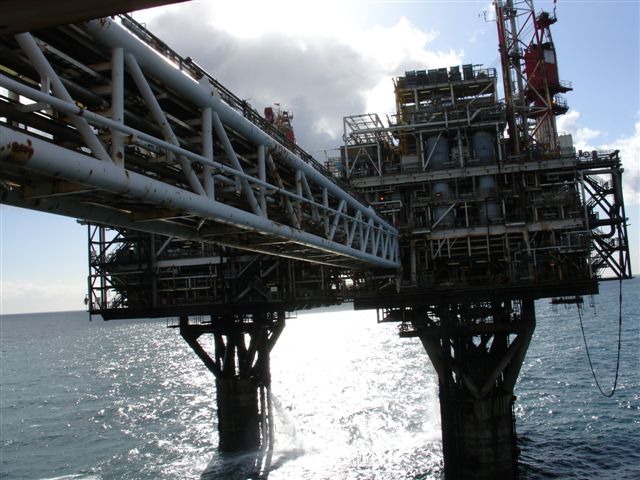
The UK government approved the Jackdaw gas field development on October 21, 2026, boosting domestic production to reduce reliance on imported energy. Environmental groups warn the project undermines legally binding net-zero commitments, creating tension between energy security and climate obligations for British policymakers and investors.
Market Impact & Global Context
The Jackdaw field, operated by Shell in the North Sea, represents a critical test of the UK's revised energy strategy. With North Sea output declining at roughly 7% annually, the project could deliver up to 6.5% of UK gas demand at peak, directly displacing LNG imports that currently price at a premium to domestic production. For European gas benchmarks like TTF, incremental UK supply adds marginal bearish pressure during winter heating seasons, though the volume remains insufficient to structurally alter continent-wide supply-demand balances.
Capital markets face a sharper dilemma. The UK's Climate Change Act mandates net-zero by 2050 with legally binding carbon budgets. Approving new fossil fuel infrastructure while the Committee on Climate Change advises no new oil and gas fields creates regulatory risk for operators and financiers. Institutional investors tracking transition risk frameworks may reassess exposure to UK upstream equities and project finance facilities tied to Jackdaw-type developments.
"Jackdaw epitomizes the energy trilemma: security, affordability, and sustainability cannot be simultaneously optimized. The market will price the resulting policy uncertainty into UK gas asset valuations long before the first molecule flows." — Senior Energy Transition Analyst, European Investment Bank
Historical precedent suggests such projects proceed but face escalating compliance costs. The Rosebank field approval in 2023 triggered judicial review challenges that delayed final investment decisions by 18 months. Jackdaw operators should anticipate similar litigation timelines, affecting project IRR calculations and contractor scheduling.
Key Takeaways for Energy Investors
- Monitor UK carbon budget negotiations for signals on whether Jackdaw emissions will require offset purchases or carbon capture retrofits.
- Watch North Sea Transition Authority licensing rounds for indicators of future project pipeline viability under Labour's energy policy.
- Expect heightened ESG screening on UK upstream portfolios as pension funds align with Paris Agreement benchmarks.
- Hedge regulatory risk via diversified exposure to UK renewables and grid infrastructure benefiting from parallel policy support.
Frequently Asked Questions
Will the Jackdaw Gas Project Materially Lower UK Household Energy Bills?
Jackdaw's output represents a fraction of total UK gas demand and sells into global markets. While it improves supply security, direct consumer price impact will be marginal compared to wholesale market dynamics and network cost pass-throughs.
How Does This Affect the UK's Legally Binding Net-Zero Target?
The Climate Change Committee has stated new fossil fuel projects are incompatible with carbon budgets. Jackdaw's approval likely triggers legal challenges that could delay production and force government to demonstrate how emissions fit within the sixth carbon budget.