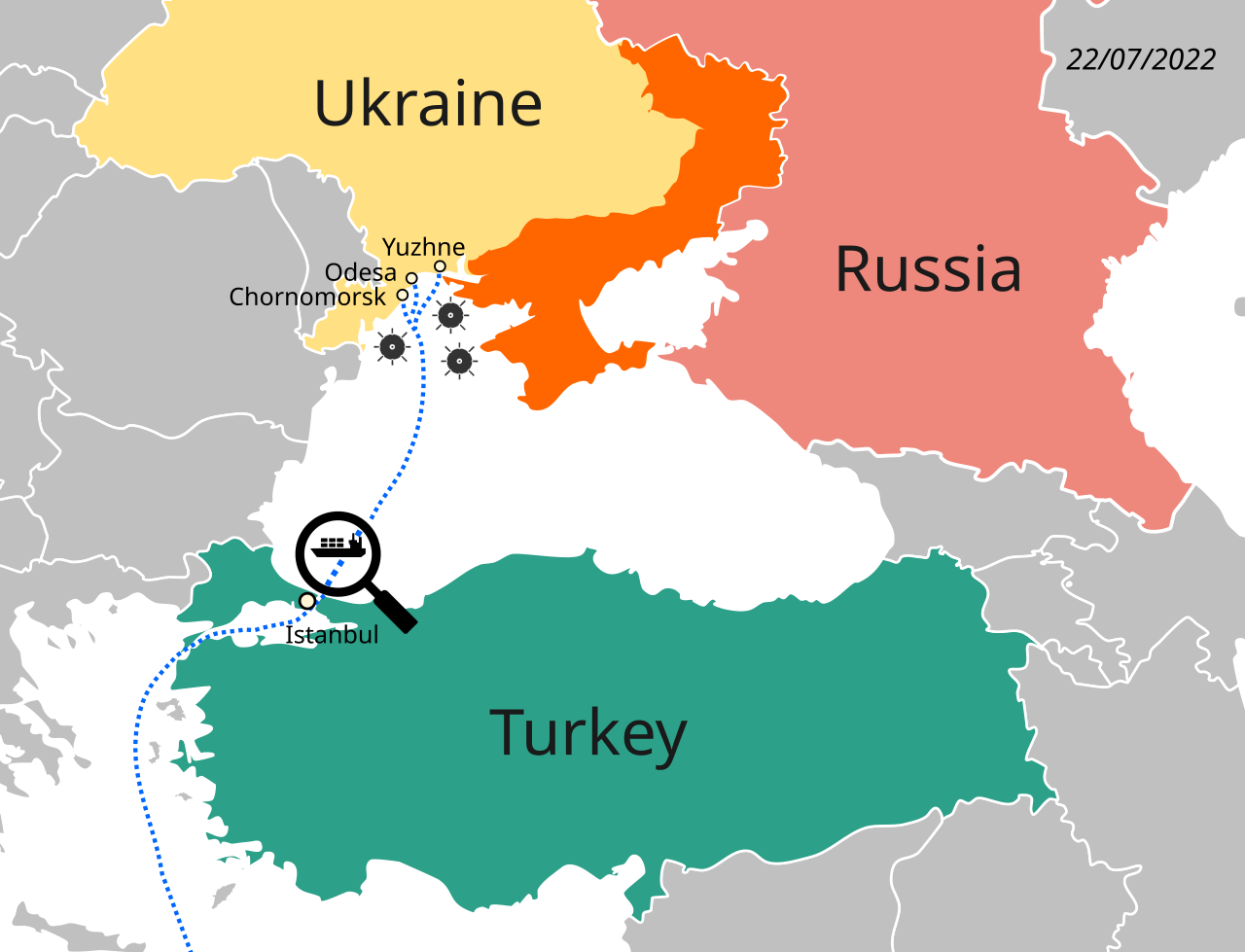
On October 16, 2026, Romania reported that Russia intensified attacks on Ukraine’s Black Sea shipping corridors, threatening grain export flows. The development sent shockwaves through global commodity markets, lifting freight rates and raising concerns over food inflation as traders reassess supply risks.
Market Impact & Global Context: Black Sea Grain Trade Disruptions
The Black Sea corridor handles roughly 30% of global wheat exports and a significant share of sunflower oil shipments. Any sustained interruption forces rerouting via longer, costlier pathways—such as the Danube rail‑river route or around Africa—immediately raising freight premiums. Higher transport costs compress margins for grain traders and can be passed through to food manufacturers, feeding into consumer price indices.
“The escalation in Black Sea tensions is likely to sustain a premium on shipping insurance and freight costs, which will filter through to grain prices and exert upward pressure on global food inflation metrics,” says a senior commodities strategist at a major bank.
Beyond grains, the attack heightens regulatory risk for energy shipments, as crude and refined products also transit the Black Sea. Market participants are already widening bid‑ask spreads on Baltic Dry Index futures, reflecting heightened uncertainty about vessel availability and insurance coverage.
Key Takeaways for Commodity Traders
- Monitor Baltic Dry Index and Black Sea freight spreads for early signals of shipping cost spikes.
- Watch wheat and corn futures bases in key import hubs (Egypt, Turkey) for widening as supply concerns grow.
- Expect increased volatility in food‑related equities and consider hedging exposure via agricultural ETFs.
- Hedge currency exposure in emerging markets where food imports represent a large share of CPI baskets.
Frequently Asked Questions
How Does a Black Sea Shipping Disruption Affect Global Grain Prices?
When Black Sea routes are impaired, grain exporters must use longer alternatives, raising freight costs and transit times. This lifts the landed cost of grain in importing countries, which can translate into higher futures prices if the cost increase is not offset by elsewhere supply. Historically, even modest disruptions have triggered 5‑10% premiums in wheat futures.
What Are the Historical Precedents for Geopolitical Shock to Black Sea Trade?
In 2022, the initial Russian invasion caused a temporary halt in Black Sea grain exports, prompting the UN‑brokered Black Sea Grain Initiative. When that deal faltered in mid‑2023, wheat futures jumped over 15% within weeks. The current attack pattern mirrors those earlier shocks, suggesting similar market reactions if the corridor remains compromised.